
Understanding Retatrutide
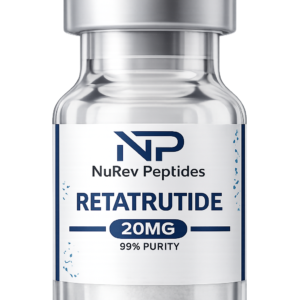
You’re looking at retatrutide, an investigational medication designed to address weight reduction and metabolic health through hormone-based signaling. It belongs to the GLP-1 receptor agonist family but extends beyond that category. Retatrutide acts as a triple hormone receptor agonist, engaging GLP-1, GIP, and glucagon pathways at the same time.
This combined signaling influences appetite control, blood sugar control, and how your body uses stored energy. Research links retatrutide weight loss effects to reduced calorie intake and changes in energy expenditure. These actions place it in active study for obesity treatment and type 2 diabetes, rather than simple cosmetic weight management.
How It Stands Apart
Most existing drugs focus on one or two hormone receptors. Retatrutide adds glucagon receptor activity, which connects to increased energy expenditure and fat burning. That extra pathway may explain why studies report higher average weight reduction compared with earlier agents.
A simple comparison highlights the distinction:
| Feature | Retatrutide | Tirzepatide |
|---|---|---|
| Receptors targeted | GLP-1, GIP, Glucagon | GLP-1, GIP |
| Energy expenditure effect | Directly supported | Indirect |
| Focus areas | Weight, glucose, metabolism | Weight, glucose |
When you compare retatrutide vs tirzepatide, the main difference lies in how aggressively retatrutide addresses metabolic rate alongside appetite suppression. Early data also suggests improvements in insulin sensitivity and broader metabolic health, not just lower scale weight.
People Who May See Value
You may benefit if weight reduction remains difficult despite lifestyle changes or prior medication use. Research targets people with obesity, type 2 diabetes, or impaired glycemic control. Retatrutide for obesity often appears in trials that include participants with multiple metabolic risk factors.
Potential use cases discussed in studies include:
- Difficulty managing appetite and cravings
- Need for tighter blood sugar control
- Limited response to other GLP-1–based therapies
- Interest in improving fat loss while maintaining lean mass
As with similar drugs, retatrutide side effects under review include gastrointestinal symptoms, especially during dose escalation. Ongoing trials continue to refine dosing to balance benefits and tolerability.
Where the Evidence Points
You should view retatrutide as part of a broader shift in obesity treatment toward multi-pathway therapies. Its observed retatrutide benefits include appetite suppression, improved insulin action, and support for higher energy use at rest.
The medication remains under clinical investigation, so access depends on regulatory outcomes. Current evidence positions it as a serious candidate for long-term weight management and metabolic improvement, especially where single-pathway drugs fall short.
Frequently Asked Questions
What health benefits may Retatrutide provide?
Retatrutide targets GLP‑1, GIP, and glucagon receptors, which can influence appetite control and metabolic regulation.
Clinical studies link this activity to reduced body weight, improved insulin sensitivity, and better glucose control in people with obesity or metabolic risk.
Commonly observed effects
- Lower appetite and calorie intake
- Improved glycemic markers
- Reductions in body fat
What research supports Retatrutide for weight control?
A large Phase 2 trial published in the New England Journal of Medicine reported substantial weight loss with once‑weekly dosing.
Participants experienced dose‑dependent reductions in body weight over several months.
| Evidence type | Key finding |
|---|---|
| Phase 2 clinical trial | Significant weight loss vs. placebo |
| Metabolic markers | Improved insulin sensitivity |
Does Retatrutide influence mental or cognitive performance?
Retatrutide acts on the central nervous system to promote satiety.
Current evidence does not show direct improvements in memory, focus, or cognition, and trials did not design outcomes around cognitive enhancement.
Can Retatrutide enhance physical or athletic performance?
Retatrutide does not function as a performance‑enhancing drug.
Any physical benefits likely stem from weight reduction and metabolic efficiency, which may indirectly support endurance or mobility for some people.
Important notes
- It does not increase muscle mass.
- It does not replace training or nutrition.
What are the potential long‑term outcomes with continued use?
Long‑term data remain limited because Retatrutide is still under investigation.
Ongoing studies assess sustained weight loss, cardiometabolic effects, and safety with extended treatment.
Areas under study
- Durability of weight reduction
- Cardiovascular risk markers
- Tolerability over time
Does Retatrutide offer value for people without medical conditions?
Research focuses on individuals with obesity or metabolic disease.
For people without these conditions, evidence does not support routine use, and risks may outweigh benefits outside clinical guidance.
Additional scientific context related to compounds can be found through publicly available research databases such as PubChem.
For further information on purity please visit Certificates of Analysis.
To learn more about our research disclaimers please visit our page Research-only disclaimer.