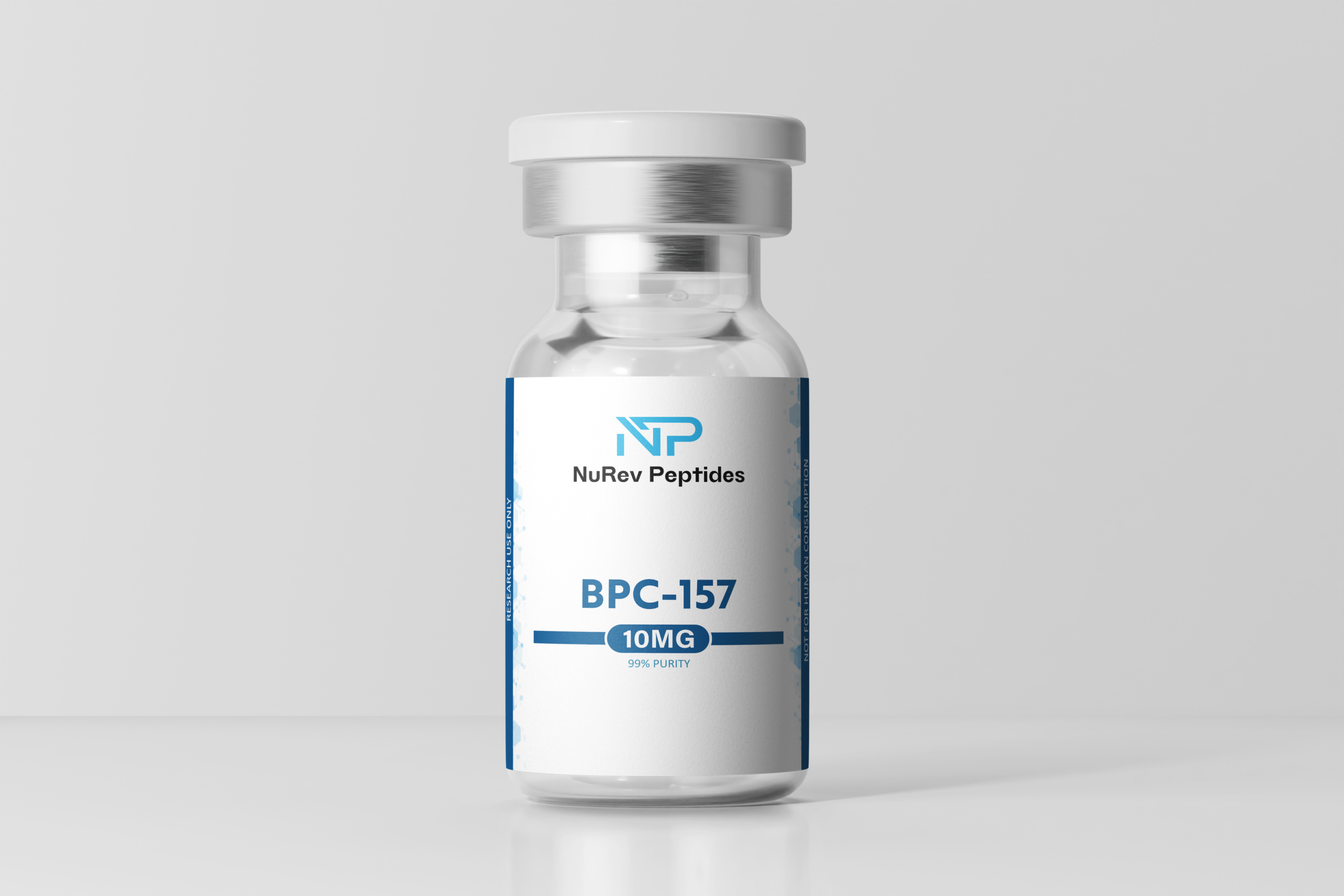
BPC-157 has emerged as one of the most discussed peptides in regenerative medicine, yet determining the right dosage remains a common challenge for those exploring peptide therapy. This synthetic compound, derived from a protective protein found in gastric juice, typically requires 200-500 micrograms daily depending on your administration method and therapeutic goals. Understanding how to properly dose this peptide is essential for anyone considering it for tissue repair, inflammation management, or recovery support.
The dosing protocol you choose depends on several factors including your body weight, the specific condition you’re addressing, and whether you’re using subcutaneous injection, oral capsules, or intramuscular administration. Standard approaches involve daily dosing for 4-8 weeks, with subcutaneous injection being the most researched method for musculoskeletal issues while oral forms are often selected for digestive tract concerns. Working with experienced practitioners who understand peptide therapy can help you navigate these variables and establish a protocol tailored to your individual needs.
Key Takeaways
- BPC-157 dosage typically ranges from 200-500 micrograms daily based on administration route and therapeutic purpose
- Treatment duration usually spans 4-8 weeks with frequency adjusted between once and twice daily
- Professional guidance ensures proper dosing protocols tailored to your body weight and specific recovery goals
What Is BPC-157?
BPC-157, or Body Protection Compound-157, is a synthetic pentadecapeptide created from a protective protein naturally present in human gastric fluid. This peptide consists of a specific amino acid sequence containing 15 amino acids. Research indicates that BPC-157 may assist with tendon and ligament repair, muscle recovery, and intestinal healing. The compound has also shown potential for nerve regeneration and reducing inflammation in various tissues. Regenerative medicine clinics now incorporate this peptide into treatment protocols under professional medical guidance to support your recovery from injuries and promote tissue restoration.
How BPC-157 Dosage Works
BPC-157 dosage is measured in micrograms and varies based on several individual factors. Your specific dose depends on whether you need localized joint repair or systemic muscle repair, your chosen administration method, and your body weight.
Standard therapeutic doses range from 200 to 1,000 micrograms daily to reduce inflammation and accelerate healing. The amount you use should align with your healing goals and the severity of damage requiring attention.
Key factors affecting your dosage:
- Administration route (injection delivers different absorption than oral)
- Targeted area needing tissue repair
- Your metabolic rate and body composition
- Experience with peptide protocols
Higher doses typically support tissue repair across multiple areas, while lower amounts concentrate on specific regions. Your cycle length also influences daily dosing requirements for optimal tissue regeneration and muscle repair outcomes.
BPC-157 Injection Dosage (Subcutaneous)
Subcutaneous injection places the peptide directly into tissue beneath the skin for enhanced absorption. Most protocols begin with 250 µg administered once per day, allowing your body to adjust to the compound during the first one to two weeks.
From there, you can increase gradually based on tolerance and healing response. Dosing may reach up to 500 µg twice daily for more significant tissue repair needs. The injection is typically performed near the affected area to target specific injuries.
Typical dosing progression:
- Week 1-2: 250 µg once daily
- Week 3+: 250-500 µg once or twice daily
Standard cycles run four to six weeks, followed by a two to four week break. This pattern supports recovery in tendons, muscles, and ligaments while preventing system overload.
Recommended Doses for Oral and Sublingual Use
Oral BPC-157 administration typically ranges from 200 to 500 micrograms taken once or twice daily. This method is preferred when targeting digestive system concerns due to direct contact with gastrointestinal tissues.
Bioavailability is reduced compared to injection methods. Taking the peptide on an empty stomach improves absorption rates.
Standard protocol guidelines:
- Administer 200-500 µg per dose
- Schedule doses one to two times daily
- Run cycles for 6-8 weeks
- Use empty stomach timing for enhanced uptake
This administration route suits conditions affecting the gut lining, including inflammatory digestive concerns and mucosal tissue damage. The peptide makes direct contact with affected areas as it passes through your digestive tract.
Intramuscular BPC-157 Dosing
Intramuscular injection delivers BPC-157 directly into muscle tissue, making it effective for deep musculoskeletal injuries. This method works well for targeting specific problem areas.
Standard IM Protocol:
- Dose: 250-500 mcg administered once daily
- Treatment length: 4-6 weeks
- Administration: Direct injection into or near the affected muscle
You should seek professional supervision for intramuscular injections due to their invasive nature. Proper injection technique reduces risks and ensures optimal peptide delivery to injured tissues.
Calculating Your Dose by Body Weight
A weight-based approach helps determine appropriate amounts for your specific needs. The table below outlines typical ranges used in various protocols, though individual responses may vary.
| Body Weight | Lower Range | Moderate Range | Upper Range |
|---|---|---|---|
| 125 lb (57 kg) | 200 µg | 400 µg | 600 µg |
| 150 lb (68 kg) | 250 µg | 500 µg | 750 µg |
| 180 lb (82 kg) | 300 µg | 600 µg | 900 µg |
| 200 lb (91 kg) | 350 µg | 700 µg | 1,000 µg |
When starting your first protocol, select amounts from the lower range column. You can adjust upward after observing how your body responds over several days.
Important considerations:
- Heavier individuals typically require proportionally higher amounts
- The moderate range represents commonly used levels
- Upper range amounts should only be considered with appropriate oversight
Duration of BPC-157 Use
Treatment cycles typically range from four to eight weeks before taking a break.
For acute injuries, a four to six-week course is standard. Chronic inflammation or pain conditions generally require six to eight weeks. Digestive system repair also follows the six to eight-week timeline.
Extended use without cycling off lacks sufficient human research to support safety.
Pairing BPC-157 With Additional Peptides
You can amplify recovery outcomes by combining BPC-157 with other peptides under medical supervision. The pairing of BPC-157 and TB-500 creates a powerful effect for tendon and soft tissue restoration. When you combine BPC-157 with GHK-Cu, you support collagen production and skin renewal.
Another effective approach involves stacking BPC-157 with growth hormone-releasing peptides like CJC-1295 or Ipamorelin. This combination supports both tissue recovery and metabolic function. Professional guidance ensures proper dosing, product quality, and ongoing monitoring for your specific goals.
Common peptide combinations include:
- BPC-157 + TB-500 for connective tissue repair
- BPC-157 + GHK-Cu for collagen synthesis
- BPC-157 + CJC-1295/Ipamorelin for metabolic support
Your healthcare provider can design a personalized peptide protocol based on your individual needs.
Adverse Reactions and Regulatory Considerations
Uncommon Adverse Reactions
While research indicates BPC-157 demonstrates good tolerance in both animal models and preliminary human trials, certain mild reactions have been documented:
- Temporary fatigue or lightheadedness
- Short-term headaches
- Local irritation at injection sites
- Transient nausea that typically resolves quickly
Most reactions appear minimal and do not persist long-term. However, comprehensive data on extended use remains limited.
Important Precautions
You should only obtain BPC-157 from verified pharmaceutical-grade sources to ensure purity and proper reconstitution with bacteriostatic water. The compound is currently banned by WADA for competitive athletes.
While studies suggest BPC-157 may interact with VEGFR2 pathways and potentially reduce oxidative stress, these mechanisms require further investigation. The peptide lacks FDA approval, and you assume responsibility when using it outside clinical settings.
How Nulevel Wellness Medspa Tailors Your BPC-157 Protocol
Nulevel Wellness Medspa in Gilbert, AZ creates individualized BPC-157 treatment plans through direct medical oversight rather than generic dosing recommendations.
Your customized protocol involves a comprehensive health assessment with laboratory testing when appropriate. Medical professionals determine your specific dose based on your body composition and treatment objectives.
Key components of personalized care include:
- Verified pharmaceutical-grade peptides with confirmed purity standards
- Dosing calculations adjusted to your weight and recovery goals
- Continuous monitoring throughout your treatment period
- Coordination with nutritional planning and complementary recovery therapies
This supervised approach reduces the complications that arise from self-administered peptide protocols while maximizing therapeutic outcomes.
Key Takeaways
Your dosing approach should account for your body weight, preferred administration method, and specific health objectives. Working with a qualified healthcare provider ensures BPC-157 becomes an effective component of your recovery or digestive wellness strategy.
Professional guidance helps you navigate dosing decisions and monitor your progress throughout treatment.
Common Questions About BPC-157 Dosing
How does BPC-157 support your body?
This peptide may facilitate your body’s inherent repair mechanisms by encouraging tissue regeneration, decreasing inflammatory responses, and enhancing recovery from muscle, tendon, or digestive tract injuries. Regenerative medicine practitioners frequently incorporate it to speed healing and diminish discomfort.
What adverse reactions might you experience?
You’ll likely encounter few side effects, though mild queasiness, tiredness, or head discomfort can develop. Occasionally, some people report lightheadedness or brief irritation at injection sites. Given the limited human research available, extended safety profiles remain under evaluation.
Is daily administration appropriate?
You can use BPC-157 daily throughout your treatment period. Standard protocols typically involve daily administration for 4-8 weeks, followed by a brief pause before initiating another cycle.
Can excessive dosing occur?
Higher amounts don’t guarantee better outcomes and may elevate your risk of unwanted effects. Most practitioners advise maintaining doses between 200-1,000 µg daily, calibrated to your weight and therapeutic aims.
Should you consider extended use?
Cycling represents the preferred approach rather than continuous administration. Since long-term human data remains scarce, experts generally recommend cycling patterns of 4-8 weeks of use, followed by several weeks off, to maintain both safety and therapeutic benefits.
How do you adjust BPC-157 amounts based on your weight?
BPC-157 dosing does not typically require strict weight-based calculations like many pharmaceutical drugs. The standard range of 200-500 mcg works effectively across different body sizes.
Your injury type and severity matter more than your body weight. A 150-pound person with a minor tendon issue might use the same dose as a 200-pound person with a similar condition.
Some practitioners suggest starting lighter individuals at 200-250 mcg and heavier individuals at 300-400 mcg. However, these adjustments remain optional rather than mandatory.
Is there a chart showing proper BPC-157 amounts?
| Purpose | Daily Amount | Frequency | Method |
|---|---|---|---|
| Minor injuries | 200-300 mcg | Once daily | Subcutaneous injection |
| Moderate injuries | 300-400 mcg | Once or twice daily | Subcutaneous injection |
| Severe injuries | 400-500 mcg | Twice daily | Subcutaneous injection |
| Gut healing | 200-500 mcg | Once daily | Oral or subcutaneous |
| Joint support | 250-400 mcg | Once daily | Subcutaneous injection |
Your specific needs may fall outside these general guidelines. Monitor your response and adjust accordingly within the safe range.
How long should you continue taking BPC-157?
Treatment cycles typically last 4 to 6 weeks for acute injuries. Some users extend cycles to 8 weeks for chronic conditions or more serious tissue damage.
You do not need to taper your dose at the end of a cycle. Simply discontinue use once you achieve your healing goals or complete the planned duration.
Taking breaks between cycles is common practice. Many people wait 2 to 4 weeks before starting another round if additional healing is needed. Loading phases are unnecessary with BPC-157.
How do you measure BPC-157 in liquid form?
You need to know two values: the total amount of peptide in your vial and the volume of reconstituted solution.
Example calculation:
- 5 mg vial (5,000 mcg total)
- Reconstituted with 2 mL of bacteriostatic water
- Concentration: 5,000 mcg ÷ 2 mL = 2,500 mcg per mL
To get 250 mcg, you would draw 0.1 mL (10 units on a standard insulin syringe). For 500 mcg, you would draw 0.2 mL (20 units).
Use an insulin syringe marked in units for accurate measurement. Each unit equals 0.01 mL, making precise dosing straightforward.
What amounts should you use when combining TB-500 and BPC-157?
Per BPC-157 dosage research, you can take both peptides simultaneously without reducing the dose of either. Standard protocols use 200-500 mcg of BPC-157 daily alongside 2-5 mg of TB-500 twice weekly.
Many users inject both peptides at the same time and location. This combination targets tissue repair through complementary mechanisms.
Sample stacking protocol:
- BPC-157: 300 mcg daily (subcutaneous)
- TB-500: 2.5 mg twice per week (Monday and Thursday)
- Duration: 4-6 weeks
You can adjust these amounts based on your injury severity and individual response. Both peptides have good safety profiles when used together within recommended ranges.
Additional scientific context related to compounds can be found through publicly available research databases such as PubChem.
For further information on purity please visit Certificates of Analysis.
To learn more about our research disclaimers please visit our page Research-only disclaimer.