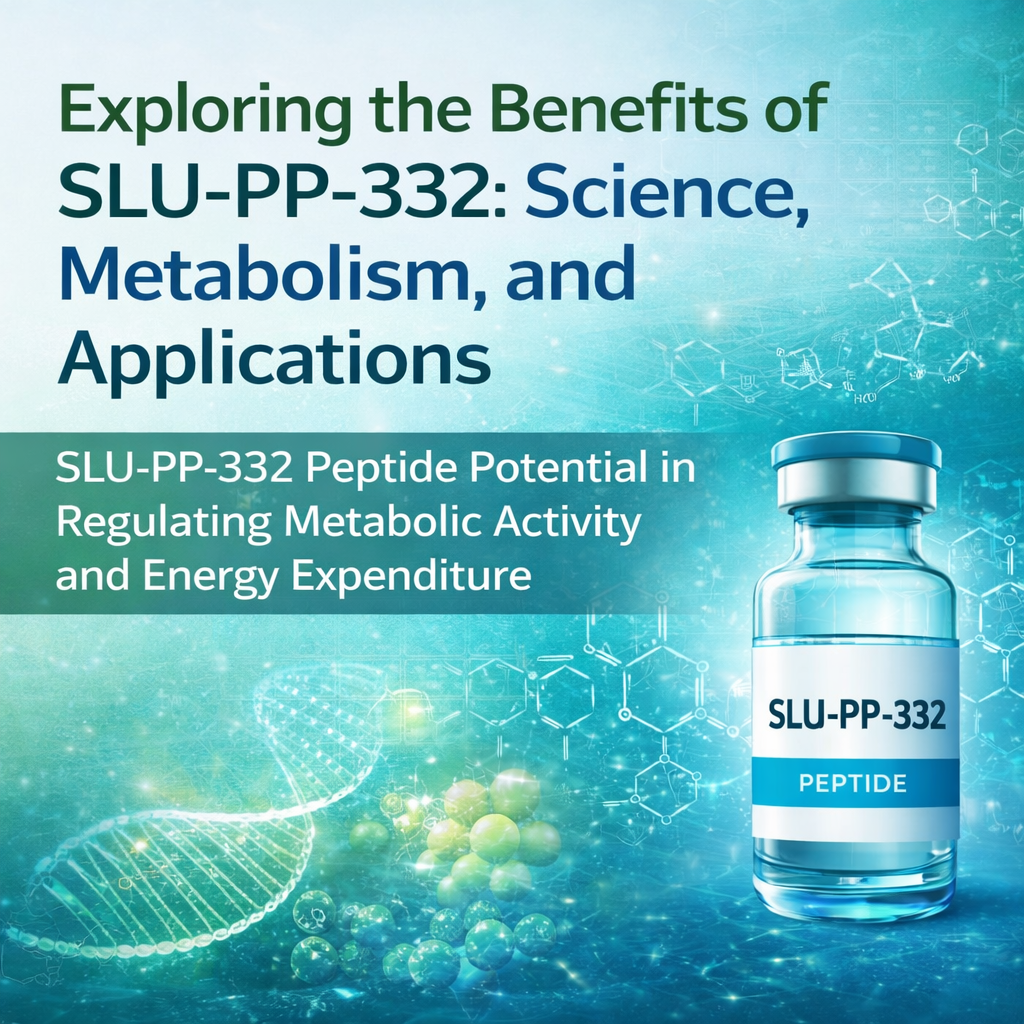
SLU-PP-332 peptide is an experimental research compound currently being studied for its effects on metabolism, energy expenditure, and fat oxidation in non-clinical laboratory models. Interest in SLU-PP-332 has grown due to its potential role in regulating mitochondrial activity and metabolic pathways associated with energy balance.

How SLU-PP-332 Peptide Is Studied in Metabolic Research
SLU-PP-332 mimics the cellular effects of aerobic exercise by targeting ERRα, leading to increased energy expenditure, enhanced fat oxidation, and improved mitochondrial health in preclinical studies. Research in mice has demonstrated reductions in body fat, improvements in glucose control, and enhanced endurance capacity without requiring actual physical activity. These effects occur through the upregulation of genes involved in energy metabolism, including PGC-1α and fatty acid oxidation enzymes.
The compound shows promise for individuals dealing with metabolic dysfunction, insulin resistance, or those unable to exercise due to physical limitations. While human trials are still in early phases and the compound is not FDA-approved, preclinical data suggests potential applications in obesity management, liver health, and age-related metabolic decline. Understanding how SLU-PP-332 works and its current research status can help you make informed decisions about emerging metabolic therapies.
Key Takeaways
- SLU-PP-332 activates ERRα receptors to replicate exercise-induced metabolic changes including fat burning and mitochondrial enhancement
- Preclinical studies show improvements in body composition, glucose metabolism, and endurance without altering food intake or requiring physical training
- The compound remains investigational with no FDA approval, requiring supervision by qualified healthcare providers for any use
SLU-PP-332 Compound Overview
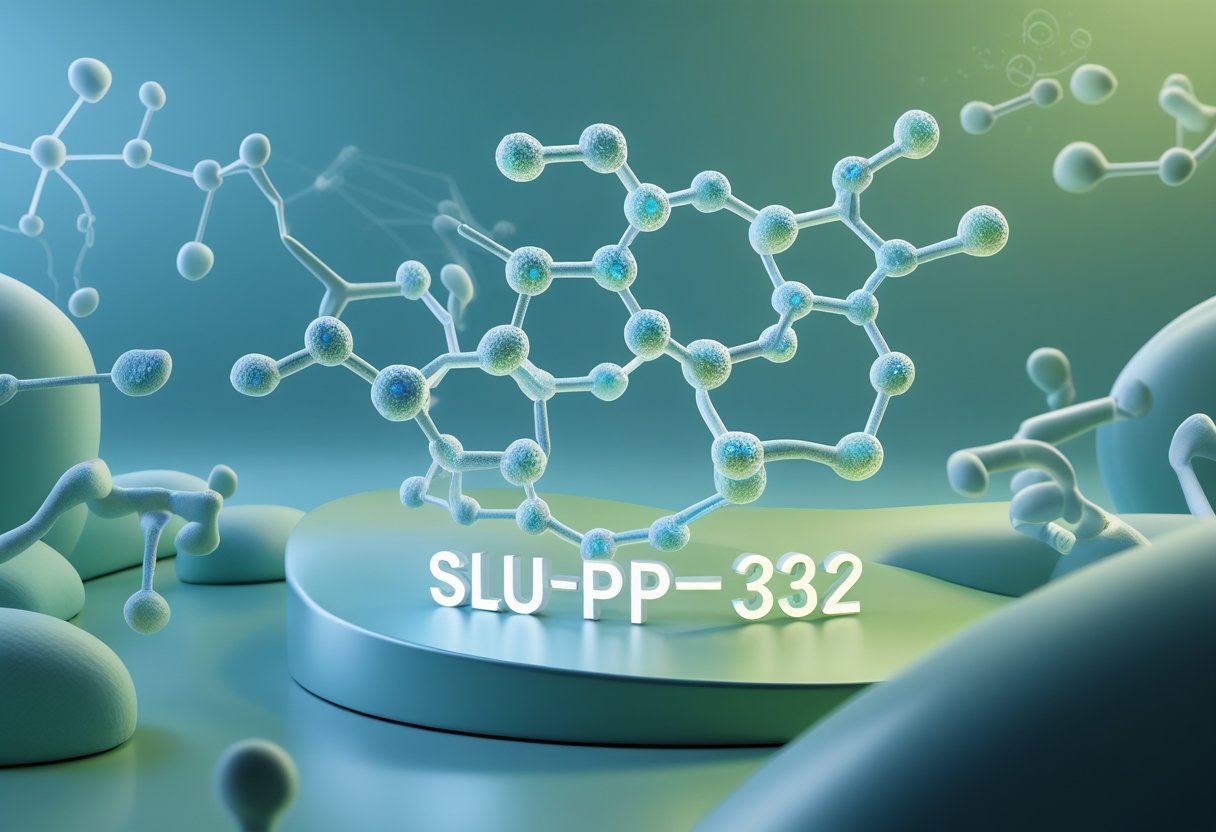
SLU-PP-332 is a synthetic small molecule that functions as an estrogen-related receptor agonist, developed through research at Saint Louis University. The compound has a defined molecular structure and represents a novel approach to activating metabolic pathways through pharmacological intervention.
Background and Discovery
Researchers at Saint Louis University developed SLU-PP-332 as part of investigations into compounds that could modulate cellular metabolism. The compound emerged from systematic research into estrogen-related receptor activity and its role in energy metabolism.
Initial studies focused on identifying molecules capable of activating ERR pathways without requiring physical exercise. The development process involved screening various chemical structures for their ability to bind to and activate specific receptors involved in metabolic regulation.
The compound gained attention in scientific literature around 2023 when published research demonstrated its effects on metabolic function in animal models. This novel compound has since been classified as an investigational new drug that has not received regulatory approval for human consumption in the United States.
Molecular Structure and Synthesis
SLU-PP-332 has the chemical formula C₁₈H₁₄N₂O₂ with a molar mass of 290.322 g/mol. The IUPAC name is 4-Hydroxy-N-[(Z)-naphthalen-2-ylmethylideneamino]benzamide.
The molecular structure contains several key components:
- A naphthalene ring system
- A benzamide group with a hydroxyl substituent
- A hydrazone linkage connecting these moieties
The synthesis involves forming a hydrazone bond between specific aromatic compounds. This chemical structure allows the molecule to interact with estrogen-related receptor binding sites and activate downstream signaling pathways.
Classification as an ERR Agonist
You should understand that SLU-PP-332 functions as an estrogen-related receptor agonist with particular activity at ERRα. The compound demonstrates an EC₅₀ of 98 nM at the ERRα receptor, indicating its potency at activating this target.
The classification as “non-selective” means SLU-PP-332 can activate multiple ERR subtypes (ERRα, ERRβ, and ERRγ), though it shows strongest activity at ERRα. ERRα regulates genes involved in mitochondrial function, oxidative metabolism, and energy expenditure.
This receptor activity distinguishes SLU-PP-332 from compounds that target other metabolic pathways. The ERR agonism mimics transcriptional changes typically induced by endurance exercise, making it part of a class known as exercise mimetics.
Mechanisms of Action
SLU-PP-332 functions through direct interaction with estrogen-related receptors, triggering a cascade of metabolic changes at the cellular level. The compound activates specific nuclear receptors that regulate energy production, mitochondrial function, and substrate utilization.
Estrogen-Related Receptors and ERR Agonism
SLU-PP-332 acts as a pan-ERR agonist, meaning it activates multiple estrogen-related receptor subtypes. The compound targets ERRα, ERRβ, and ERRγ with EC50 values of 98 nM, 230 nM, and 430 nM respectively.
These receptors belong to the family of orphan nuclear receptors. Unlike classical estrogen receptors, ERRs do not bind estrogen but instead regulate metabolic processes in energy-demanding tissues like skeletal muscle, heart, brain, and liver.
When SLU-PP-332 binds to these receptors, it induces conformational changes that allow recruitment of coactivators such as PGC-1α. This complex then translocates to the nucleus and binds to specific DNA sequences called ERR response elements, initiating gene transcription for metabolic proteins.
Activation of Metabolic Pathways
The ERR activation triggered by SLU-PP-332 upregulates genes controlling energy metabolism. Your cells experience enhanced fatty acid oxidation, allowing them to break down fat stores more efficiently for fuel.
The compound promotes oxidative metabolic pathways over glycolytic ones. This shift means your tissues preferentially use oxygen-dependent processes to generate energy, which proves more efficient for sustained activity.
Key pathways affected include:
- Fatty acid oxidation enzymes
- Glucose homeostasis regulators
- Lipid metabolism controllers
- Oxidative muscle fiber development
The receptor activation essentially reprograms your cellular metabolism toward a more oxidative phenotype, similar to adaptations seen with endurance training.
Cellular Energy and Mitochondrial Function
SLU-PP-332 significantly impacts mitochondrial biogenesis, stimulating the formation of new mitochondria within your cells. More mitochondria translates to greater capacity for energy production.
The compound enhances oxidative phosphorylation, the primary mechanism your mitochondria use for ATP production. This process couples electron transport chain activity with ATP synthesis, representing the most efficient form of cellular respiration.
Your cells experience improved mitochondrial efficiency through:
- Increased mitochondrial density
- Enhanced electron transport chain function
- Optimized coupling efficiency
- Greater oxidative capacity
These changes particularly benefit tissues with high energy demands, where mitochondrial function directly determines performance and metabolic health.
Primary Benefits of SLU-PP-332
SLU-PP-332 activates estrogen-related receptor alpha (ERRα) to trigger cellular changes that replicate the metabolic effects of aerobic exercise. This leads to improvements in endurance capacity, fat metabolism, body composition, and muscle function without requiring physical activity.
Exercise Mimetic Effects
SLU-PP-332 functions as an exercise mimetic by activating the same molecular pathways that your body naturally engages during aerobic training. When you take this compound, it binds to ERRα receptors in your cells and triggers the expression of genes associated with exercise adaptation.
In preclinical studies, mice treated with SLU-PP-332 showed increased running endurance and improved VO₂ max despite remaining sedentary. The compound enhanced capillary density in skeletal muscle tissue, which improves oxygen and nutrient delivery to working muscles.
Your muscle fibers undergo a transformation toward more oxidative muscle fibers when exposed to SLU-PP-332. This fiber type shift mirrors what happens with consistent endurance training. The compound upregulates PGC-1α, a master regulator that controls mitochondrial biogenesis and the development of fatigue-resistant muscle characteristics.
Research demonstrates that SLU-PP-332 reproduces the cellular signature of physical training at the genetic level. This means your body receives many exercise benefits without the physical stress or time commitment of traditional workouts.
Improvement of Metabolic Health
Your metabolic health improves significantly with SLU-PP-332 treatment through multiple mechanisms. The compound enhances insulin sensitivity by upregulating GLUT4 transporters, which help your cells absorb glucose more efficiently from your bloodstream.
Studies on diet-induced obesity models show that SLU-PP-332 reduces fasting insulin and glucose levels while improving glucose tolerance. If you struggle with insulin resistance or metabolic syndrome, these effects address core dysfunction in your glucose metabolism.
The compound also demonstrates beneficial effects on liver health. Research shows reductions in hepatic steatosis (fatty liver) and decreased inflammation in both liver and adipose tissue. This makes SLU-PP-332 particularly relevant if you’re dealing with non-alcoholic fatty liver disease.
Your inflammatory markers decrease with SLU-PP-332 use. Studies report lower levels of IL-6, TNF-α, and C-reactive protein, which are associated with metabolic dysfunction and chronic disease risk.
Fat Oxidation and Body Composition
SLU-PP-332 significantly enhances your body’s ability to burn fat for fuel by activating enzymes involved in fatty acid oxidation. This metabolic shift moves your energy utilization away from glucose storage and toward fat burning.
In animal models, the compound produced substantial reductions in white adipose tissue, particularly visceral fat deposits. You experience increased energy expenditure as your mitochondria become more active and efficient at breaking down fatty acids.
The compound upregulates uncoupling proteins (UCPs) in your cells, which enhance thermogenesis and boost whole body metabolism. This effect occurs independently of changes in appetite or physical activity levels, meaning fat loss happens through purely metabolic mechanisms.
Your body composition changes reflect both fat loss and preserved or enhanced muscle function. Unlike weight loss approaches that cause muscle wasting, SLU-PP-332 maintains or improves skeletal muscle quality while reducing adipose tissue. This results in favorable changes to your lean-to-fat mass ratio.
Enhanced Endurance and Muscle Function
Your endurance capacity increases with SLU-PP-332 through improvements in mitochondrial density and function within skeletal muscle. The compound boosts ATP production, giving your muscles more available energy during sustained activity.
Research shows that SLU-PP-332 increases the number and efficiency of mitochondria in your muscle cells. This mitochondrial enhancement directly translates to increased endurance and delayed fatigue during physical exertion.
Your oxidative muscle fibers become more prevalent with treatment, shifting your muscle composition toward the fiber types that excel at sustained, aerobic activities. These adaptations occur at the cellular level through gene transcription changes that mirror long-term endurance training.
The compound also appears to protect against muscle damage and support recovery. By enhancing mitophagy (the removal of damaged mitochondria) and cellular repair processes, SLU-PP-332 helps maintain optimal muscle function over time. Your muscles become more metabolically active and resilient even without traditional exercise stimuli.
Metabolic and Therapeutic Applications
SLU-PP-332 demonstrates significant potential in addressing core metabolic dysfunctions through its activation of estrogen-related receptors. The compound’s ability to enhance cellular energy metabolism translates into measurable improvements in insulin sensitivity, body composition, and metabolic syndrome markers.
Insulin Sensitivity and Glucose Metabolism
SLU-PP-332 enhances your body’s ability to utilize glucose efficiently by upregulating GLUT4 transporters in muscle tissue. This mechanism mirrors the natural response your cells have during exercise, promoting glucose uptake without requiring additional insulin.
Research in diet-induced obesity models shows that SLU-PP-332 reduces fasting insulin and glucose levels while improving glucose tolerance. These effects occur through increased oxidative metabolism in muscle and liver tissue, which shifts your body away from glucose storage and toward immediate utilization.
If you have insulin resistance or elevated HOMA-IR scores, the compound may help restore metabolic flexibility. The activation of ERRα triggers mitochondrial biogenesis, which improves your cells’ capacity to process both glucose and fatty acids. This dual action addresses the underlying cellular dysfunction that contributes to type 2 diabetes risk.
Potential for Obesity and Weight Management
Your adipose tissue responds to SLU-PP-332 through increased fatty acid oxidation and reduced lipid accumulation. Studies demonstrate reductions in white adipose tissue mass, particularly in visceral deposits that pose the greatest metabolic risk.
The compound promotes weight management by enhancing energy expenditure rather than suppressing appetite. This occurs through upregulation of uncoupling proteins and increased thermogenesis in metabolically active tissues. Your body essentially burns more calories at rest, similar to the metabolic elevation seen with regular aerobic training.
For obesity treatment, SLU-PP-332 also addresses hepatic steatosis by reducing liver fat content and inflammation. This makes it relevant if you’re dealing with non-alcoholic fatty liver disease alongside weight concerns.
Addressing Metabolic Disorders and Syndrome
Metabolic syndrome encompasses multiple risk factors including abdominal obesity, elevated blood pressure, dyslipidemia, and impaired glucose metabolism. SLU-PP-332 targets several of these components simultaneously through its effects on metabolic regulation.
The compound reduces inflammatory markers like IL-6 and TNF-α, which contribute to metabolic dysfunction and cardiovascular risk. Your metabolic health improves as cellular energy pathways normalize and oxidative stress decreases. This systemic approach makes SLU-PP-332 particularly valuable for addressing the interconnected nature of metabolic disorders.
Research indicates that ERRα activation can reverse metabolic dysfunction in organs beyond muscle tissue, including heart and kidney. These protective effects extend the therapeutic potential beyond simple weight or glucose management into broader metabolic restoration.
Safety, Research Status, and Legal Considerations
SLU-PP-332 remains in early research phases with limited human data, though animal studies show promising metabolic effects. The compound is not FDA-approved and exists solely as a research chemical with specific legal restrictions on its use and distribution.
Preclinical and Animal Studies
Most research on SLU-PP-332 has focused on animal models, particularly mice, where it demonstrated significant metabolic benefits. The compound functions as an estrogen-related receptor alpha (ERRα) agonist with an EC50 of 98 nM, showing strong activity in preclinical studies.
Animal research indicates SLU-PP-332 can counteract metabolic syndrome by increasing energy expenditure and enhancing fat metabolism without affecting appetite or physical activity levels. These preclinical findings suggest potential applications in obesity treatment and metabolic disorders.
However, you should note that animal studies do not guarantee similar outcomes in humans. The pharmacology observed in mice may differ substantially when translated to human physiology, and extensive clinical trials are necessary before any therapeutic applications can be validated.
Side Effects and Safety Profile
Early research reports minimal adverse effects in animal models, with most observed reactions being mild and transient. When side effects do occur, they typically include injection site reactions or mild gastrointestinal symptoms.
The long-term safety profile of SLU-PP-332 remains unknown due to limited duration of studies and absence of comprehensive human trials. You should understand that without extensive clinical trials, potential risks, drug interactions, and chronic exposure effects have not been adequately characterized.
Current safety data comes primarily from short-term animal studies, which cannot fully predict human responses or identify rare adverse events that might emerge with broader use.
Current Legal Status and Research Use Only
SLU-PP-332 is not FDA-approved for medical use and exists strictly as a research compound. You can only obtain it legally through authorized research suppliers for laboratory research purposes, not for human consumption or therapeutic applications.
The compound’s legal status designates it exclusively for scientific investigation, requiring adherence to institutional review protocols and ethical guidelines. If you buy SLU-PP-332, it must be through licensed suppliers who verify its intended use in controlled laboratory settings.
Regulations governing research compounds like SLU-PP-332 vary by jurisdiction, but universal restrictions prevent marketing it as a dietary supplement, therapeutic agent, or medication. Any clinical trials involving human subjects require rigorous regulatory approval and oversight.
Emerging Insights and Future Directions
SLU-PP-332 is opening new pathways in metabolic research and experimental therapeutic development, with researchers examining applications from cellular aging to chronic disease management. The compound’s ability to activate ERRα positions it as a candidate for longevity interventions and multi-system health optimization.
Novel Research Areas and Experimental Therapeutics
Research teams are investigating SLU-PP-332 beyond its initial metabolic applications. Scientists at institutions including Washington University are exploring its role in neurodegenerative protection, where mitochondrial dysfunction contributes to conditions like Parkinson’s and Alzheimer’s disease.
The compound shows promise in kidney fibrosis reversal and cardiac remodeling prevention. Studies demonstrate that ERRα activation reduces reactive oxygen species accumulation in damaged tissues while promoting cellular repair mechanisms. This positions SLU-PP-332 as a potential treatment for organ-specific metabolic decline.
Researchers are also examining combinations with other peptide therapies. Pairing SLU-PP-332 with compounds like MOTS-c may amplify mitochondrial benefits through complementary pathways. MOTS-c targets mitochondrial signaling directly, while SLU-PP-332 works through nuclear receptor activation.
Emerging therapeutic targets include:
- Chronic kidney disease with metabolic dysfunction
- Heart failure with preserved ejection fraction
- Sarcopenia and age-related muscle loss
- Hepatic steatosis resistant to lifestyle modification
- Mitochondrial myopathies
Potential for Aging and Longevity Research
Your cellular aging process heavily involves mitochondrial decline and reduced energy metabolism. SLU-PP-332 addresses these factors by enhancing mitochondrial biogenesis and reducing inflammatory markers associated with aging.
The compound’s anti-aging potential stems from its effects on autophagy and mitophagy—processes that clear damaged cellular components. Studies show ERRα activation promotes removal of dysfunctional mitochondria while generating new, efficient ones. This cellular renewal process is fundamental to longevity interventions.
Research indicates SLU-PP-332 lowers inflammatory cytokines like IL-6 and TNF-α without immunosuppression. Chronic low-grade inflammation accelerates aging across multiple organ systems. By reducing this inflammation while simultaneously improving metabolic efficiency, the compound addresses two major aging mechanisms.
The oral delivery method makes SLU-PP-332 practical for long-term use in aging populations. Unlike injectable peptides requiring regular administration, you can maintain consistent ERRα activation through daily oral dosing without cycling requirements.
Next Steps in Clinical and Regulatory Development
Human trials remain in early phases, with safety and efficacy data still being collected. Researchers are establishing appropriate dosing ranges, bioavailability profiles, and long-term safety markers before seeking regulatory approval.
The path to FDA approval for exercise mimetics presents unique challenges. Regulatory agencies must determine appropriate endpoints for compounds that don’t treat specific diseases but enhance metabolic function. Current trials focus on measurable outcomes like insulin sensitivity, VO₂ max, and body composition changes.
Phase I safety studies are examining SLU-PP-332’s pharmacokinetics and tolerability across different populations. Researchers are monitoring liver enzymes, kidney function, cardiac markers, and hormonal panels to establish comprehensive safety profiles.
You should expect regulatory approval timelines of several years as clinical trials progress through required phases. Until then, access remains limited to research settings and specialized clinical practices operating under informed consent protocols.
Frequently Asked Questions
SLU-PP-332 activates ERRα receptors to mimic exercise effects, showing promise in preclinical studies for fat loss and metabolic health, though human data remains limited. The compound is orally administered and does not require cycling, but it has not received FDA approval.
What are the scientifically proven advantages of taking SLU-PP-332?
Preclinical studies demonstrate that SLU-PP-332 increases mitochondrial biogenesis and enhances fatty acid oxidation through ERRα activation. In mouse models, the compound improved running endurance and increased VO₂ max without requiring physical training. Research also showed increased capillary density in muscle tissue and a shift toward oxidative muscle fibers.
Studies on diet-induced obesity models revealed reductions in white adipose tissue and improvements in glucose tolerance. The compound lowered fasting insulin and glucose levels while reversing hepatic steatosis. Inflammatory markers including IL-6 and TNF-α decreased in treated subjects.
Cardiac function improved in heart failure models, with enhanced contractility and reduced cardiomyocyte death. SLU-PP-332 increased ATP production and restored oxidative phosphorylation efficiency. The compound also upregulated autophagy and mitophagy processes associated with cellular repair.
Are there any potential side effects associated with the use of SLU-PP-332?
Current preclinical trials report no liver, kidney, or cardiac toxicity associated with SLU-PP-332 administration. The compound does not suppress endogenous hormone production or function as a stimulant. It does not affect appetite regulation based on available animal study data.
Human safety data remains limited since the compound is still under investigation. You should only use SLU-PP-332 under supervision of a licensed clinician trained in peptide therapy. The compound has not been approved by the FDA for any medical condition.
Long-term safety profiles have not been established in human populations. Clinical monitoring is necessary if you choose to use this investigational compound.
What is the recommended daily dosage for SLU-PP-332 to achieve optimal results?
Dosing protocols are based on preclinical modeling since standardized human guidelines do not yet exist. Starting doses typically range from 0.25mg taken one to three times daily. Advanced users may increase to 1.5mg three times daily depending on body size and individual response.
The compound is administered orally, eliminating the need for injections. You can take SLU-PP-332 continuously without cycling since it operates through gene transcription rather than hormonal feedback loops. Daily administration appears necessary for sustained metabolic benefits.
You should consult a knowledgeable provider before establishing your dosing protocol. Individual factors including metabolic status and treatment goals influence optimal dosage ranges.
What have human clinical trials indicated about the efficacy of SLU-PP-332?
Human clinical trials for SLU-PP-332 are in early phases with limited published data available. Most efficacy evidence comes from preclinical animal studies rather than controlled human trials. The compound remains investigational for all proposed therapeutic applications.
Published research has focused primarily on mouse models demonstrating metabolic and mitochondrial effects. Translation of these findings to human populations requires validation through properly designed clinical studies. You should recognize that animal study results do not guarantee similar outcomes in humans.
Current human use occurs under informed consent protocols with research-oriented practitioners. Definitive efficacy data in human subjects has not been established through peer-reviewed clinical trials.
Additional scientific context related to compounds can be found through publicly available research databases such as PubChem.
For further information on purity please visit Certificates of Analysis.
To learn more about our research disclaimers please visit our page Research-only disclaimer.