BPC-157 Research: Scientific Discussion and Study Overview
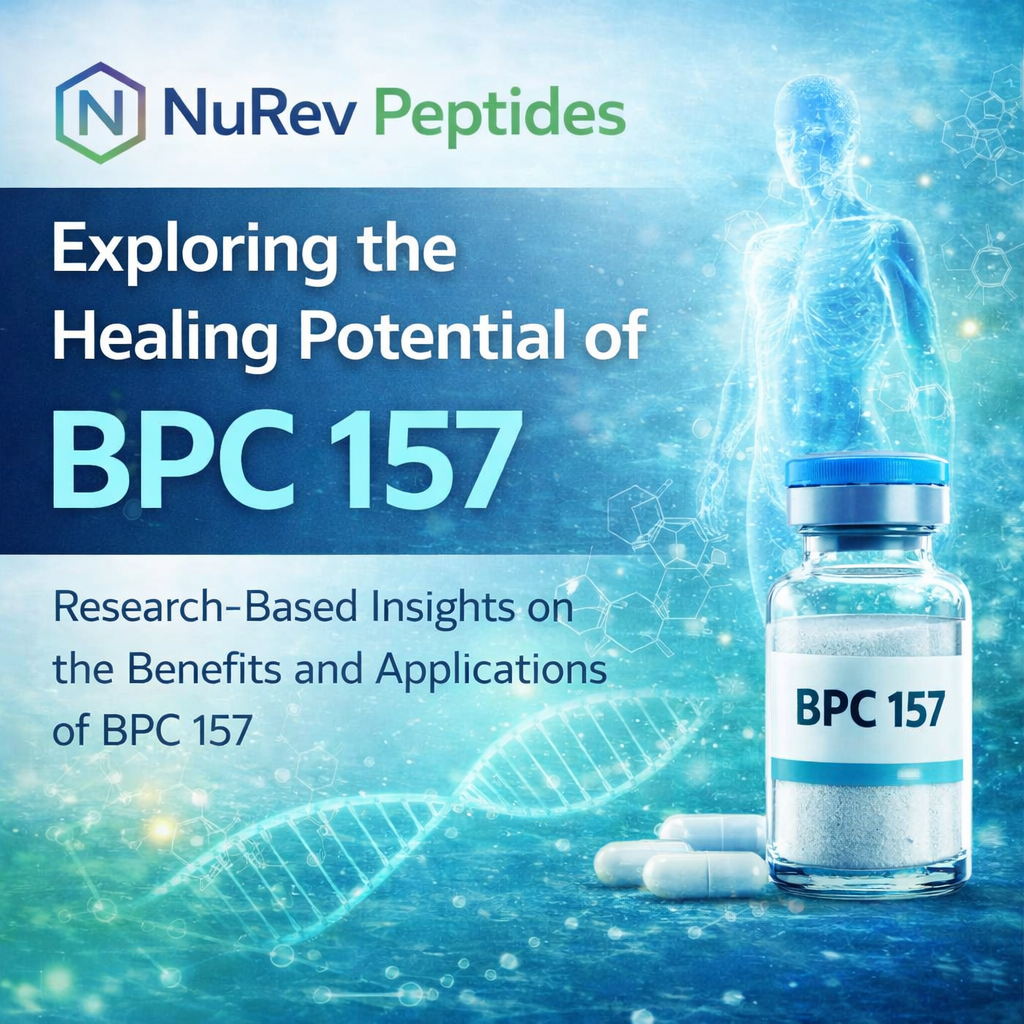
Exploring the Healing Potential of BPC 157
In the realm of healing and recovery, BPC 157 is generating considerable interest due to its potential benefits. Known as a peptide, BPC 157 is a partial sequence of a body protection compound that naturally occurs in the human gastric juice. This peptide is gaining attention for its ability to support healing processes in the body.
BPC 157, short for Body Protection Compound 157, is a synthetic peptide derived from a protein found in the stomach. It is believed to play a crucial role in healing and protecting the body from various forms of damage. Researchers are actively studying its potential applications in medicine, particularly in the fields of tissue repair and inflammation reduction.

One of the most promising aspects of BPC 157 is its wide array of potential benefits. Among these, its ability to accelerate wound healing is often highlighted. Studies suggest that it can enhance the repair of tendons, muscles, and even nerves. For athletes and those recovering from injuries, this could mean a faster return to peak performance.
Moreover, BPC 157 may offer benefits in treating certain gastrointestinal disorders. It appears to protect the lining of the gut, which could be beneficial for individuals with inflammatory bowel diseases or gastric ulcers. This protective effect extends to the liver, suggesting potential in aiding recovery from liver damage.
BPC 157 Side Effects
While BPC 157 holds promise, it’s important to consider potential side effects. So far, research indicates that it is well-tolerated, with few reported adverse effects. However, as with any compound, individual responses may vary, and more comprehensive studies are needed to fully understand its safety profile.
How BPC 157 Works
BPC 157’s mode of action is still being unraveled by scientists. It is thought to enhance the body’s natural healing processes by promoting angiogenesis, the development of new blood vessels, which is crucial for tissue repair. Additionally, it may influence neurotransmitters and growth factors, further supporting recovery and regeneration.
Conclusion: The Future of BPC 157

The potential of BPC 157 as a therapeutic agent is compelling. Although research is still in its early stages, its benefits in promoting healing and reducing inflammation are promising. For those interested in exploring alternative healing methods, BPC 157 might offer a glimpse into future medical applications.
As always, anyone considering the use of BPC 157 should consult healthcare professionals to understand its suitability and potential interactions with other treatments. As research progresses, we anticipate a clearer picture of how BPC 157 can be integrated into therapeutic practices, possibly revolutionizing recovery and healing processes.
Additional scientific context related to compounds can be found through publicly available research databases such as PubChem.
For further information on purity please visit Certificates of Analysis.
To learn more about our research disclaimers please visit our page Research-only disclaimer.