What Is Garetosmab?
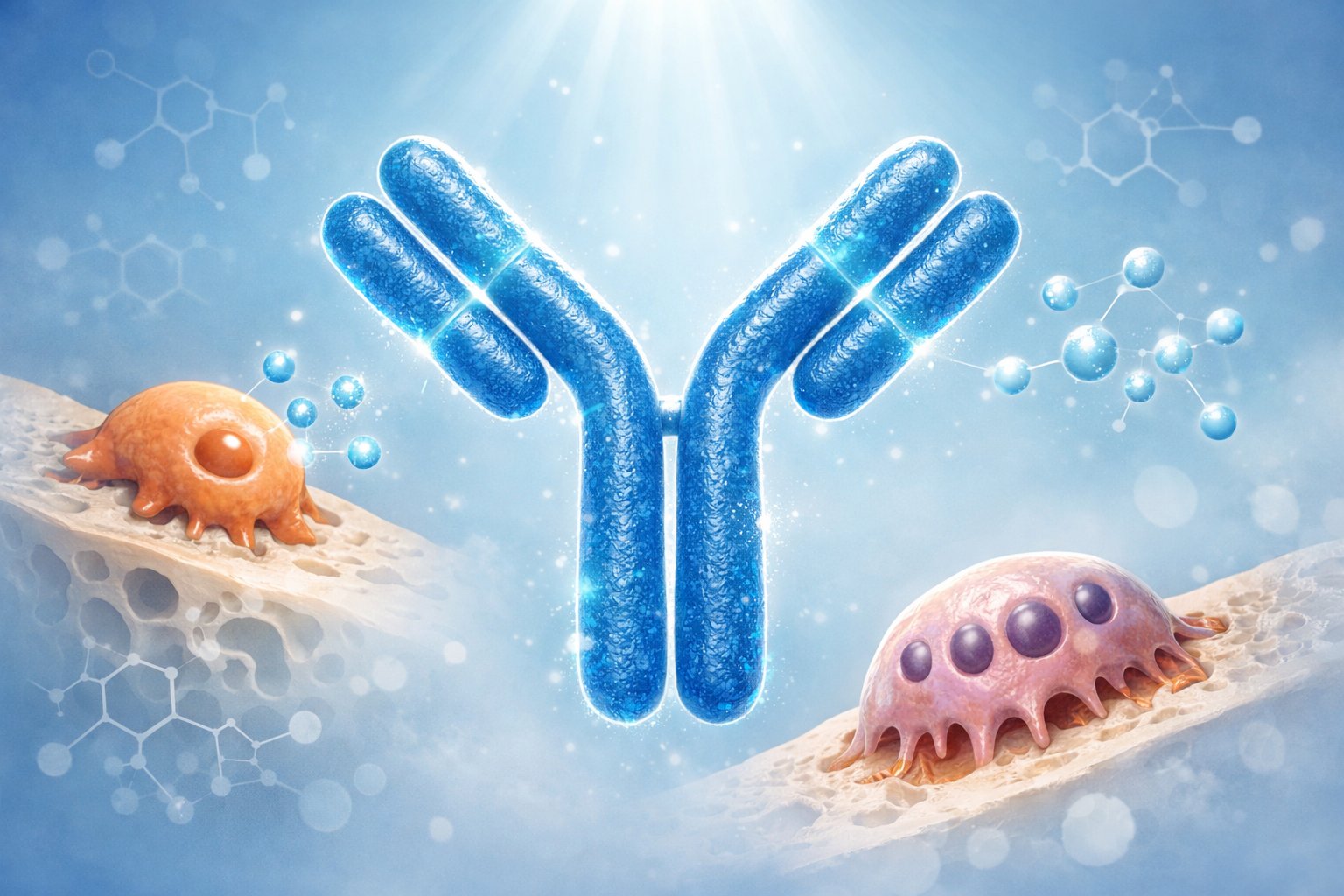
You may see garetosmab (REGN2477) described as an experimental monoclonal antibody that binds to activin A, a signaling protein involved in inflammation, tissue scarring, and muscle regulation. Researchers designed it to block this pathway in controlled clinical settings.
You cannot access it as an approved therapy. Clinical studies continue to evaluate how it affects muscle and body composition, including research that pairs it with GLP-1 receptor agonists to assess combination treatment strategies.
How Garetosmab Works
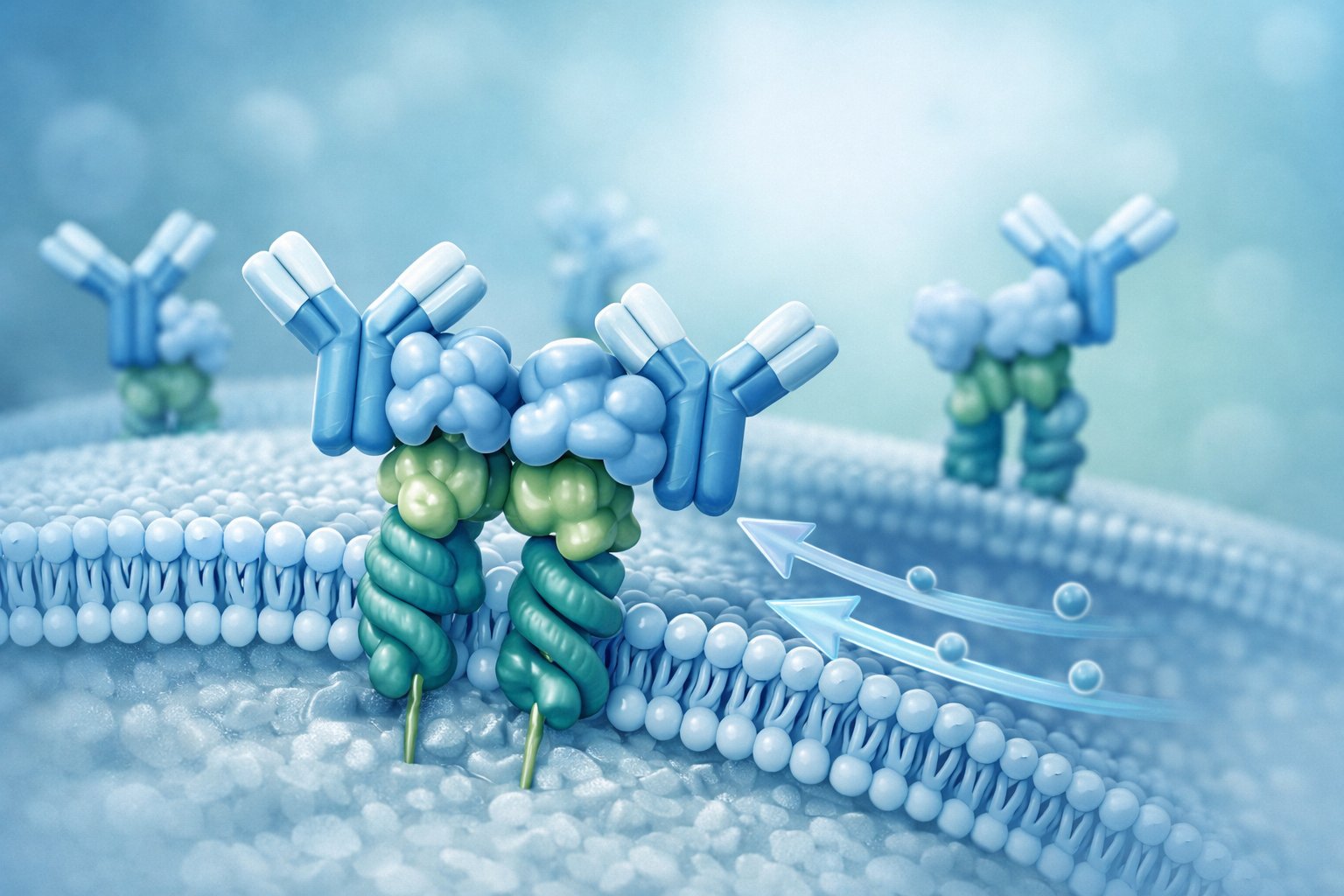
Garetosmab targets activin A, a signaling protein within the TGF-β family. By attaching to this molecule, you block its ability to activate downstream pathways that influence abnormal tissue and bone formation. This action may also affect related signaling networks, including interactions that overlap with BMP9-mediated pathways.
The Importance of Activin A Signaling
You rely on activin A for regulation of muscle tissue, inflammatory activity, fibrotic responses, and structural remodeling.
When activin A becomes dysregulated, these processes can shift toward harmful tissue changes. Neutralizing it helps you limit signaling that drives unwanted biological activity.
Garetosmab and the COURAGE Trial
Garetosmab, an activin A inhibitor studied in rare disorders such as fibrodysplasia ossificans progressiva (FOP) and heterotopic ossification, expanded into metabolic research through the Phase 2 COURAGE clinical trial. While prior programs like the placebo-controlled LUMINA-1 trial (NCT05394116) and the phase 3 OPTIMA trial evaluated safety and efficacy in reducing new bone lesions, COURAGE explored a different application: body composition during obesity treatment.
Lean Mass Reduction With GLP-1 Therapy
When you use GLP-1 receptor agonists such as semaglutide, you typically see significant fat loss. However, data from the ongoing Phase 2 COURAGE trial (NCT06299098) show that about 35% of weight reduction can come from lean tissue.
In COURAGE, investigators combined semaglutide with trevogrumab, with or without garetosmab, to improve weight quality. Interim findings reported in the COURAGE interim results announcement indicate that multi-drug regimens preserved more lean mass while maintaining substantial fat loss.
You can view this strategy as a shift in treatment goals: not just lowering body weight, but adjusting the fat-to-lean ratio during therapy.
Emerging Research Directions for Garetosmab
You may see this fully human monoclonal antibody studied beyond an ultra-rare genetic disorder linked to ACVR1 signaling. Researchers are examining body composition control, muscle preservation during weight loss, and fibrotic pathway modulation in debilitating disorders.
As an investigational therapy from Regeneron Pharmaceuticals, ongoing clinical development evaluates pharmacokinetics, pharmacodynamics, and trough concentrations, including data from open-label extension settings in rare genetic disorders involving abnormal tissue growth.
Why Body Composition Matters in Weight Loss Research
When you evaluate weight reduction therapies, you need to look beyond the scale and examine how much fat versus lean tissue changes. Losing muscle along with fat can slow your metabolic rate and reduce insulin sensitivity.
Preserving lean mass supports strength, daily function, and helps lower the risk of loss of mobility, especially in older adults. It also improves the likelihood that you maintain results over time.
Researchers now use tools such as whole body computed tomography to measure shifts in fat and muscle more precisely. Emerging approaches, including agents such as garetosmab, aim to improve fat reduction while protecting skeletal muscle during treatment.
Current FDA Approval Status of Garetosmab
Garetosmab does not have FDA approval. You can access it only through regulated clinical trials, where researchers continue evaluating its safety profile and effectiveness.
A Biologics License Application (BLA) has not resulted in approval, so you should not seek this investigational therapy outside authorized research settings.
Garetosmab vs Trevogrumab: What Sets Them Apart?
Both therapies are monoclonal antibodies, but they act on different biological signals that influence body composition.
| Drug | Main Target | Key Role in the Body |
|---|---|---|
| Trevogrumab | Myostatin | Limits muscle growth |
| Garetosmab | Activin A | Regulates muscle balance and fibrotic signaling |
When you combine these agents, researchers examine whether blocking both pathways helps you preserve more lean mass than targeting one pathway alone.
Common Questions About Garetosmab
What conditions is garetosmab being studied for?
You may see REGN (garetosmab) in trials focused on disorders linked to activin A signaling, including fibrotic and muscle-related conditions such as FOP. Research teams, including investigators connected with centers like the Royal National Orthopaedic Hospital and clinicians such as Richard Keen, continue to evaluate its clinical role.
How does this monoclonal antibody act in the body?
Garetosmab targets and binds to activin A, which reduces downstream signaling involved in abnormal tissue and bone formation. By limiting this pathway, you may see changes in disease activity under controlled study conditions, including findings explored in post-hoc analysis.
Can you currently access garetosmab?
You cannot obtain garetosmab outside research settings. It remains an investigational biologic undergoing regulatory review and clinical testing, with oversight from independent data monitoring committees.
What do studies report about safety?
Researchers track treatment-emergent adverse events during trials. Reported events have included epistaxis, abscess formation, and other adverse events, which investigators monitor closely to assess overall tolerability.
Frequently Asked Questions
What adverse effects could you experience if you use garetosmab for muscle-related goals?
You may experience infusion-related reactions such as headache, fatigue, nausea, or mild fever. Clinical studies in fibrodysplasia ossificans progressiva (FOP) also reported muscle aches and injection-site discomfort.
Because garetosmab targets a signaling protein involved in bone and tissue regulation, altering this pathway may affect normal repair processes. You should not use it for muscle growth, as no clinical evidence supports that purpose and researchers designed it for rare bone disorders, not performance enhancement.
How does garetosmab work inside your body?
Garetosmab is a fully human monoclonal antibody that binds to activin A, a protein involved in cell signaling and tissue development. By blocking activin A, it aims to reduce abnormal bone formation in conditions such as FOP.
Research describes it as an experimental anti–activin A antibody under investigation for rare bone disorders and other indications, including obesity in combination strategies, as noted in this overview of garetosmab on Wikipedia. Its primary mechanism focuses on modifying signaling pathways rather than directly increasing muscle mass.
What dosing approach has research used in clinical studies?
You do not have an established dosing plan for muscle growth because regulators have not approved garetosmab for that purpose.
In clinical trials for FOP, participants received intravenous infusions at doses such as 3 mg/kg or 10 mg/kg every four weeks, as outlined in updates from the OPTIMA Phase 3 clinical trial. These regimens were designed for controlled research settings under medical supervision.
Could garetosmab interact with other medications you take?
You should assume the potential for interactions, especially with other biologic therapies or immune-modulating drugs. Because garetosmab alters a growth factor pathway, combining it with other targeted treatments may increase unpredictable effects.
Formal interaction profiles remain limited since the drug is still under regulatory review. Your healthcare provider would need to evaluate your full medication list before considering any investigational use.
Has the FDA authorized garetosmab for clinical use?
As of February 22, 2026, the U.S. Food and Drug Administration has accepted a Biologics License Application for priority review for adults with FOP, according to Regeneron’s announcement about the FDA Priority Review of the garetosmab BLA. Acceptance for review does not equal full approval.
You should verify the most current regulatory status, as approval decisions can change following agency evaluation.
Where can you legally obtain garetosmab?
You cannot legally purchase garetosmab as an over-the-counter product. Access is limited to clinical trial participation or regulated medical channels if the FDA grants approval.
Clinical trials studying safety and effectiveness in adults with FOP are listed through registries such as this garetosmab safety and efficacy study. Any legitimate access requires physician oversight and regulatory compliance.