
⚠️ Important: This is educational information only, not medical advice. NAD+ Injection actual use, dosing, and duration should be determined by a licensed professional based on labs, goals, and tolerance.
What Is NAD+ Injection? Benefits, Safety, and Medical Uses Explained
NAD injection therapy has gained attention in clinical and wellness settings for its potential role in cellular energy, metabolic health, and age-related decline. Nicotinamide adenine dinucleotide—better known as NAD—plays a critical role in virtually every cell of your body. As research into cellular aging and regenerative medicine has accelerated, NAD injection therapy has emerged as one of the most discussed interventions in longevity and wellness circles.
But what exactly does an NAD injection do? Who should consider it? And what does the science actually support?
This guide breaks down everything you need to know about NAD injections in 2024-2025, from the underlying biology to practical protocols, safety considerations, and how to find quality care.
Quick Answer: What Is an NAD Injection?
An NAD injection delivers nicotinamide adenine dinucleotide (typically NAD+) directly into your body via subcutaneous, intramuscular, or intravenous routes, bypassing the digestive system entirely.
This direct delivery method ensures the vital coenzyme reaches your bloodstream quickly, avoiding the first-pass metabolism that degrades oral supplements and limits their effectiveness.
In 2024-2025, NAD injections are primarily used within anti-aging protocols, energy optimization programs, brain health support, and addiction recovery settings at wellness and integrative medicine clinics.
Important to know: Evidence in humans is promising but still emerging. Treatment should always be medically supervised by qualified providers who understand both the potential benefits and limitations.
Top expected benefits include:
- Increased energy and reduced fatigue through enhanced cellular energy production
- Improved cognitive function, focus, and mental clarity
- Support for cellular repair and DNA repair mechanisms
- Adjunctive support during detox and addiction recovery programs
- Contributions to healthy aging and longevity
Understanding NAD and Cellular Aging
NAD+ is a coenzyme found in every living cell of the human body. It serves as an essential electron carrier in cellular metabolism, directly powering the conversion of nutrients into ATP—the primary energy currency your body’s cells depend on for survival and function.
Here’s what makes NAD+ decline such a significant concern as we age:
- NAD+ levels are estimated to drop by up to 50% between ages 20 and 50, with continued decline thereafter
- This reduction occurs across multiple tissues including skeletal muscle, brain, liver, and skin
- Lower NAD+ availability directly impacts mitochondrial function and cellular energy homeostasis
- Age associated changes in NAD+ metabolism correlate with many hallmarks of aging
Key NAD-dependent enzymes include:
- Sirtuins (SIRT1-SIRT7): Regulate gene expression, stress response, and cellular aging trajectories
- PARPs (poly ADP-ribose polymerases): Enzymes involved in DNA repair and inflammation control
- CD38: An enzyme that consumes NAD+ and increases with age, contributing to declining levels
These enzymes involved in cellular maintenance become less effective when NAD+ availability drops, creating a cascade of dysfunction at the cellular level.
The “hallmarks of aging” concept—including genomic instability, mitochondrial dysfunction, and cellular senescence—intersects directly with NAD+ depletion, making restoration of this coenzyme a target of intense research interest.
What Is an NAD Injection and How Does It Work?
NAD injections differ fundamentally from oral supplements and even IV infusions in how they deliver this crucial molecule to your system.
While oral supplements must navigate your digestive system—where breakdown significantly limits bioavailability to under 10-20%—injections achieve nearly 100% absorption by entering your bloodstream directly.
Common clinical formulations include:
- NAD+ as a lyophilized (freeze-dried) powder reconstituted for injection
- Typical dose ranges from 50-500 mg per session depending on protocol and goals
- Solutions are prepared under sterile conditions, ideally from compounding pharmacies meeting strict quality standards
Subcutaneous injections:
- Delivered into fatty tissue (typically abdomen or thigh)
- Slower absorption over several hours
- Convenient for home protocols when prescribed and properly trained
- Common injection site options allow for rotation to minimize irritation
Intramuscular injections:
- Delivered into muscle tissue (deltoid, gluteal)
- Faster systemic uptake than subcutaneous routes
- Often preferred in clinic settings for more rapid effects
- May cause more injection site discomfort initially
IV infusions for comparison:
- Higher doses (250-750+ mg) delivered over 1.5-4 hours
- Require clinical monitoring and significant time commitment
- Often used in addiction recovery and intensive protocols
- Provide the most complete systemic distribution
The mechanistic goal across all routes is consistent: raise circulating and intracellular NAD+ levels so cells can better produce ATP through oxidative phosphorylation, support DNA repair, and activate sirtuins and other longevity pathways.
Pharmacokinetics in humans are still being studied, but injections appear to create a temporary spike in NAD+ levels followed by gradual decline, which influences how clinicians design dosing schedules.
The Science Behind NAD Injections
For readers wanting deeper mechanistic understanding, here’s how NAD injections work at the cellular level.
- Injected NAD+ distributes via the bloodstream and enters cells through specific transporters or is converted to NAD+ intracellularly after uptake
- Once inside cells, NAD+ participates in hundreds of enzymatic reactions essential for cell survival and function
- Enhanced NAD+ availability improves electron transport chain efficiency in mitochondria, boosting ATP production—the foundation of cellular energy
- Higher NAD+ levels fuel sirtuin activity, particularly SIRT1 for metabolic regulation and SIRT3 for mitochondrial function
- PARP enzymes gain improved capacity for DNA repair when NAD+ is abundant, supporting genomic stability
What preclinical research shows:
- Rodent studies from 2013-2023 demonstrated that increasing NAD+ improved insulin sensitivity, physical endurance, and neuroprotection
- Animal models suggest benefits for metabolic disorders, cognitive decline, and age associated tissue dysfunction
- However, injection routes and doses in animal studies often differ significantly from human protocols
Human research status:
- Emerging clinical trials on NAD+ precursors and direct NAD+ administration show promise but remain limited
- Most studies feature small sample sizes, variable formulations, and short follow-up periods
- Long-term outcome data in humans is still lacking, making ongoing research critical
Key Benefits of NAD Injections
The benefits of NAD injections span multiple body systems, though it’s important to recognize that individual responses vary and evidence levels differ by indication.
Some benefits have stronger research support than others, and realistic expectations are essential for anyone considering this therapy.

Energy and fatigue reduction:
- Many patients report improved daily energy levels and reduced fatigue
- Enhanced ATP production through improved mitochondrial function likely drives these effects
- Particularly relevant for those experiencing chronic fatigue or age-related energy decline
- Effects may be noticed within the first few sessions for some individuals
Cognitive performance:
- Improved focus, reduced brain fog, and better mental clarity are commonly reported
- NAD+ supports neuronal metabolism and neurotransmitter function
- Small human studies and case series have explored NAD+ for cognitive benefits
- Cognitive clarity improvements often accompany energy gains
Healthy aging and cellular repair:
- NAD+ directly supports DNA repair mechanisms and mitochondrial health
- Indirect antioxidant effects through sirtuin activation may reduce oxidative damage
- Supports the aging trajectory by maintaining cellular repair capacity
- Not a promise of “reversing aging” but rather supporting the aging process more gracefully
Metabolic health:
- Potential support for glucose metabolism and insulin sensitivity based on preclinical data
- May complement weight management efforts through enhanced metabolic function
- Exercise recovery may improve through better cellular regenerative medicine pathways
- Supports metabolic homeostasis when combined with lifestyle interventions
Mood and stress resilience:
- Anecdotal reports suggest improvements in mood, stress response, and sleep quality
- NAD+ influences neurotransmitter balance and cellular stress pathways
- Not a standalone treatment for mental health conditions
- Best viewed as supportive therapy within a comprehensive wellness plan
Addiction recovery and detox support:
- Some addiction programs use high dose NAD (often IV, sometimes IM) as adjunctive therapy
- Goal is to reduce withdrawal symptoms and cravings during detoxification
- May reduce withdrawal symptoms and support brain function during recovery
- Always used under strict medical supervision within broader addiction recovery protocols
Pain management and recovery:
- Used within some regenerative medicine and pain management protocols
- Improved cellular repair and reduced chronic inflammation may support recovery
- Relevant for injuries, chronic pain syndromes, and post-surgical healing
- Pain reduction benefits are emerging but require more research validation
Who Is an NAD Injection Good For?
Candidacy for NAD injection therapy depends on individual health status, specific goals, and clinician judgment based on current 2024-2025 evidence and practice standards.
Aging adults (typically 40+):
- Those noticing reduced energy levels, slower recovery from illness or exercise, or early cognitive slowing
- Individuals interested in evidence-informed longevity support
- People wanting to address age associated changes proactively
- Those seeking to optimize their aging trajectory through cellular support
Professionals under high stress:
- People with demanding jobs, irregular sleep patterns, and chronic stress loads
- Those seeking improved resilience, focus, and mental clarity under pressure
- Individuals where stress has depleted energy reserves and cognitive function
- Executives, healthcare workers, and others in high-stakes environments
Athletes and highly active individuals:
- Endurance athletes seeking better recovery and stamina
- Strength trainees looking for optimized muscle recovery
- Weekend warriors wanting performance support without prohibited substances
- Those interested in cellular energy optimization for athletic output
People with chronic fatigue or burnout:
- Individuals experiencing persistent tiredness not explained by obvious causes
- Those who have had underlying conditions appropriately evaluated
- People integrating NAD with broader treatment approaches for overall wellness
- Emphasis on NAD as one component, not a sole solution
Individuals in structured addiction recovery:
- Those in medically supervised detox settings where NAD is used as adjunct therapy
- Patients in programs addressing alcohol, opioid, or other substance dependencies
- People seeking support for brain function restoration during early recovery
- Always within comprehensive treatment plan including counseling and medical oversight
Biohackers and wellness enthusiasts:
- People proactively optimizing longevity markers and healthspan
- Those willing to follow professional guidance and monitoring protocols
- Individuals tracking biomarkers and responses systematically
- Health-conscious people exploring evidence-based interventions
Groups requiring caution or specialist input:
- Pregnant or breastfeeding women should avoid therapy without specialist guidance
- People with active cancer require oncology consultation before considering NAD
- Those with uncontrolled cardiovascular disease need cardiology clearance
- Complex autoimmune conditions warrant rheumatology or immunology input
- Anyone with concerning symptoms deserves thorough evaluation before starting
Who May Not Be a Good Candidate
Safety screening before starting NAD injections is essential. Not everyone is appropriate for this therapy, and certain conditions represent clear contraindications or red flags.
Key contraindications and concerns:
- History of severe allergic reactions to injectable components or preservatives
- Current chemotherapy or active cancer treatment
- Unstable heart disease, recent cardiac events, or uncontrolled arrhythmias
- Severe kidney impairment affecting drug metabolism and clearance
- Acute serious illness requiring stabilization before elective therapies
Medication considerations:
- Individuals taking anticoagulants need careful injection site management
- Those on antiarrhythmics require cardiac monitoring during initiation
- Immunosuppressant users need infection risk assessment
- Polypharmacy increases the need for physician oversight to assess interactions
Psychiatric considerations:
- People with complex psychiatric histories (bipolar disorder, schizophrenia) require extra caution
- Rapid shifts in energy or sleep patterns could be destabilizing
- Mental health provider coordination is advisable
Symptoms requiring workup first:
- Unexplained weight loss, night sweats, or persistent fevers
- New neurological symptoms or cognitive changes
- Symptoms suggesting undiagnosed underlying conditions
- Any alarming changes deserving diagnostic investigation before NAD therapy
NAD Injection Protocols and Frequency
Dosing schedules for NAD injections are individualized based on specific goals—whether general wellness, athletic performance, cognitive support, or recovery from illness or addiction.
These examples represent common approaches but should always be tailored by qualified providers.
General wellness and longevity protocols:
- Common starting dose: 100-250 mg IM or SQ once weekly
- Initial loading phase typically 4-8 weeks of consistent dosing
- Maintenance phase: taper to bi-weekly or monthly based on response
- Adjustments made based on energy levels, well being, and any side effects
Athletic performance and recovery:
- Training block dosing: 200-500 mg injections 2-3 times weekly
- Duration: 2-4 week high-intensity training blocks
- Off-season: reduce to monthly maintenance or pause entirely
- Response monitored through recovery metrics and performance data
Cognitive performance and brain fog:
- Typical protocol: 200-300 mg IM once or twice weekly
- Duration: 4-6 weeks initial course
- Maintenance individualized based on cognitive benefits sustained
- Often combined with other cognitive support strategies
Addiction recovery and detox:
- Higher, more frequent dosing—often daily or every other day
- Frequently administered via IV rather than IM/SQ in this context
- Intensive 7-10 day protocols in specialized inpatient or intensive outpatient programs
- Always under strict medical supervision with comprehensive treatment plan
Stressful periods or temporary boosts:
- Short “boost” periods with more frequent dosing during high-stress intervals
- Return to baseline maintenance after acute stress resolves
- Supervision important to avoid overdoing therapy
Start with conservative dosing, track your body’s response carefully, and adjust frequency based on fatigue, sleep, mood, and vital signs. The goal is finding your optimal protocol, not maximizing dose.
Factors That Influence How Often You Should Inject
Multiple personal variables affect NAD+ needs and how your body responds to therapy.
Age:
- Older adults typically have lower baseline NAD+ levels
- May benefit from slightly higher or more frequent dosing
- Balance against comorbidities and medication interactions
- Response may be more gradual than in younger individuals
Lifestyle and stress:
- High stress, poor sleep, and shift work increase NAD+ turnover
- These factors may warrant closer monitoring and consistent support
- Lifestyle optimization should accompany injection therapy
- Stress management practices enhance therapeutic benefits
Physical activity:
- Heavy training loads increase mitochondrial demand significantly
- Frequent high-intensity workouts may justify more frequent injections
- Periodization of NAD dosing to match training cycles can be effective
- Recovery metrics help guide protocol adjustments
Existing health conditions:
- Chronic inflammation alters NAD+ metabolism
- Metabolic syndrome, long COVID, or autoimmune conditions require cautious protocols
- Physician-directed approach essential for complex cases
- May need more frequent monitoring and slower dose escalation
Medication load:
- Polypharmacy increases need for individualized assessment
- Potential for overlapping side effects requires attention
- Regular medication review with prescribing physician advisable
- Adjust injection protocols based on overall treatment burden
Response and side effects:
- Signs of overdoing: persistent nausea, headaches, agitation, insomnia
- Signs of underdosing: rapid return of fatigue, brain fog, lack of improvement
- These signals guide protocol adjustments
- Regular check-ins with provider essential for optimization
Safety, Side Effects, and Practical Considerations
NAD injections are generally well tolerated in clinical settings with proper protocols, but they are not risk-free. Understanding potential side effects and safety requirements is essential.
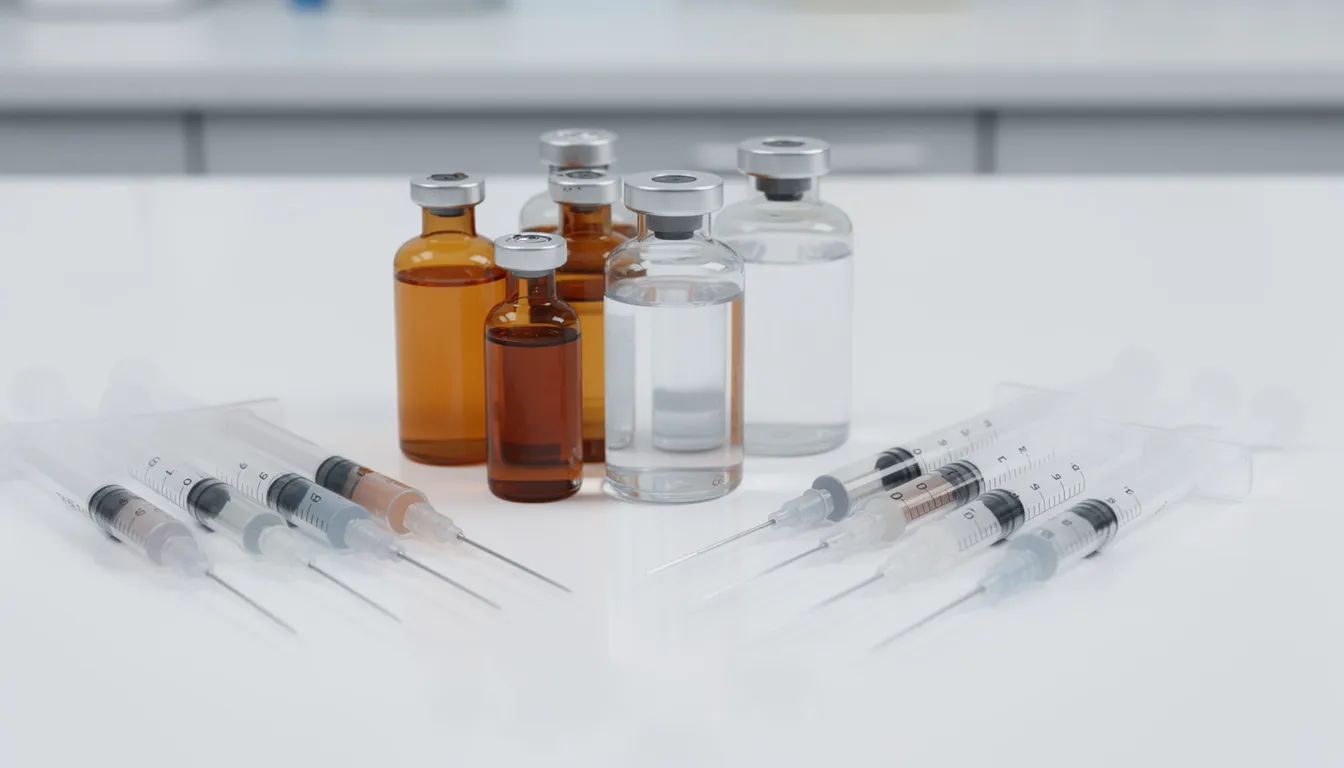
Common short-term side effects:
- Local injection site pain, redness, or bruising
- Transient flushing, especially with larger doses
- Mild nausea that typically resolves within hours
- Headache or lightheadedness shortly after dosing
- Sensation of “wired” energy or increased alertness
Less common reactions requiring attention:
- Blood pressure changes (elevation or drops)
- Chest discomfort or tightness
- Anxiety or palpitations
- These are more common with higher doses or faster IV administration
- Require prompt medical review and potential protocol adjustment
Mitigation strategies:
- Slow administration reduces many adverse effects
- Adequate hydration before and after injections helps
- Dose titration—starting low and increasing gradually—minimizes reactions
- Controlled room temperature storage of medications maintains stability
Infection control requirements:
- Strict sterile technique for all injections
- Single-use needles and syringes only
- Appropriate sharps disposal in designated containers
- Thorough training required for anyone self-injecting at home
- Never reuse supplies or share between individuals
Baseline assessment requirements:
- Complete medical history and current medication review
- Vital signs including blood pressure and heart rate
- Appropriate lab work: liver function, kidney function, fasting glucose or HbA1c
- Condition-specific testing as advised by clinician
- Documentation of goals and informed consent
Regulatory considerations:
- NAD+ injections typically provided as compounded medications
- Quality depends on pharmacy standards and adherence to 503A/503B regulations
- Ask about pharmacy accreditation and testing protocols
- In human tissue applications, quality control is paramount
Ongoing monitoring requirements:
- Follow-up visits every 4-12 weeks recommended
- Reassess benefits, side effects, and continued appropriateness
- Adjust or discontinue if risks outweigh benefits
- Regular communication with healthcare provider essential
Signs You Might Be Overdoing or Underdosing
Listening to your body and tracking symptoms helps optimize your protocol and ensure safety.
Overdoing indicators:
- Persistent insomnia or disrupted sleep despite previously good rest
- Jitteriness, anxiety, or feeling “overamped”
- Worsening headaches after injections
- Elevated blood pressure readings
- Gastrointestinal upset (nausea, cramping, diarrhea)
- Difficulty relaxing or winding down
Underdosing indicators:
- Benefits that fade quickly between sessions
- Persistent fatigue despite several weeks of therapy
- Return of brain fog or reduced fatigue that doesn’t last
- Lack of noticeable improvement after 4-6 weeks with good technique
- Feeling like therapy isn’t “doing anything”
Tracking recommendations:
- Keep a simple log of symptoms, energy, mood, and sleep quality
- Note any side effects and their timing relative to injections
- Track over weeks to identify patterns
- Share logs with provider at follow-up appointments
When to contact your provider immediately:
- Significant or concerning symptoms after injection
- Chest pain, severe headache, or difficulty breathing
- Allergic-type reactions (hives, swelling, throat tightness)
- Symptoms that don’t resolve within expected timeframes
- Consider pausing therapy until evaluated
Comparing NAD Injections with Other NAD-Boosting Options
Multiple approaches exist for raising NAD+ levels, and understanding where injections fit helps you make informed decisions about your approach.
NAD injections vs oral supplements:
- Injections achieve nearly 100% bioavailability; oral NAD+, NR, or NMN achieve 10-20% or less
- Effects from injections typically noticeable more quickly
- Oral supplements are more convenient and less expensive
- Oral supplements don’t require medical oversight for purchase
- Injections better suited for therapeutic applications; orals for maintenance or prevention
NAD injections (IM/SQ) vs IV NAD therapy:
- IV allows higher doses delivered slowly over hours
- IV therapy often used for addiction protocols and intensive interventions
- IM/SQ injections offer time-efficient middle ground (minutes vs hours)
- Both achieve good systemic exposure
- IV requires clinical setting; some injections can be self-administered at home
- IV therapy provides more immediate effects but greater time commitment
NAD precursors vs direct NAD+:
- Precursors (NR, NMN) rely on intact biosynthetic pathways to convert to NAD+
- These pathways may be impaired with age or illness
- Direct NAD+ bypasses conversion steps entirely
- Some evidence suggests precursors still effective for raising levels
- Choice may depend on individual metabolism and goals
Lifestyle and dietary strategies:
- Exercise naturally supports healthy NAD+ metabolism
- Sleep optimization reduces NAD+ consumption by repair pathways
- Managing chronic inflammation preserves NAD+ levels
- Fasting and caloric restriction may influence NAD+ through NAMPT activation
- These strategies should accompany any injection protocol, not replace them
Cost and convenience comparison:
- IV therapy: longest appointments (1.5-4 hours), typically in-clinic only
- IM injections: brief clinic visits or trained home administration
- SQ injections: most convenient for home use with proper training
- Oral supplements: most affordable and accessible, but limited efficacy
- Total treatment course costs vary significantly by approach and frequency
How to Start NAD Injection Therapy
Starting NAD injection therapy requires a structured, medically guided onboarding process rather than DIY experimentation. Here’s what to expect.
Initial consultation:
- Detailed intake covering complete health history
- Review of all current medications and supplements
- Discussion of symptoms and specific goals (energy, cognition, longevity, recovery)
- Risk assessment based on individual factors
- Setting realistic expectations about outcomes and timelines
Baseline testing:
- CBC (complete blood count) to assess overall health
- CMP (comprehensive metabolic panel) for liver and kidney function
- Fasting glucose or HbA1c for metabolic status
- Lipid profile if cardiovascular risk assessment needed
- Condition-specific markers as advised by your clinician
Protocol design:
- Clinician selects route (IM vs SQ vs referral for IV) based on goals
- Starting dose determined by age, weight, health status, and objectives
- Frequency established with plan for adjustment
- Documentation of protocol for consistent administration
First sessions:
- Slow, supervised initial injections with monitoring
- Blood pressure and heart rate checked before and after
- Subjective symptoms assessed and recorded
- Education on what sensations are normal vs concerning
- May remain in clinic for 15-30 minutes post-injection initially
Education and consent:
- Written informed consent explaining known and unknown risks
- Realistic discussion of expected timelines for improvement
- Training on home self-injection if applicable
- Review of storage requirements (controlled room temperature typically)
- Instructions for when to seek urgent care
Ongoing monitoring:
- Follow-up visits at regular intervals (every 4-12 weeks)
- Reassessment of benefits and any emerging side effects
- Dose and frequency adjustments based on response
- Clear criteria for continuing, modifying, or discontinuing therapy
- Integration with other elements of your comprehensive wellness plan
Questions to Ask Your Provider
Being proactive and well-informed before committing to NAD injection therapy helps ensure you receive quality care.
About the product:
- What exact NAD+ product are you using?
- Which pharmacy compounds it, and what are their accreditation standards?
- What is the concentration per mL and how is sterility ensured?
- How should unused medication be stored?
About the protocol:
- What dose, route, and frequency do you recommend for my situation?
- What evidence or clinical experience supports this specific protocol?
- How long before I might expect to notice benefits?
- What’s the plan if I don’t respond as expected?
About safety:
- What side effects should I expect as normal?
- What symptoms should prompt me to contact you urgently?
- How will we monitor for problems during treatment?
- Are there any interactions with my current medications?
About monitoring:
- How will we measure whether this is working for me?
- Will you use symptom scales, performance metrics, or lab testing?
- How often will I need follow-up appointments?
- What would lead you to recommend stopping therapy?
About integration:
- How does NAD therapy fit with my other treatments and supplements?
- What lifestyle factors should I optimize alongside injections?
- Will you coordinate with my other healthcare providers?
- What’s the plan for transitioning to maintenance once I’ve responded?
About home administration (if applicable):
- What training will I receive for self-injection?
- What supplies do I need and how do I dispose of them safely?
- Who do I contact with questions between appointments?
- What follow-up schedule should I expect?
Future Directions and Research on NAD Injection Therapy
NAD-related research has exploded between 2010 and 2024, with ongoing clinical trials exploring applications in aging, metabolic health, and neurodegeneration. The field is evolving rapidly.

Current research trends:
- Combination approaches pairing NAD+ restoration with CD38 inhibition to preserve levels
- NAMPT activation strategies to boost endogenous NAD+ production
- Integration with senolytics and other longevity interventions
- Exploration of NAD+ as part of comprehensive anti aging protocols
Areas of active investigation:
- Cognitive decline and age-related memory changes
- Neurodegenerative diseases including Parkinson’s and Alzheimer’s
- Heart failure and cardiovascular dysfunction
- Sarcopenia (age-related muscle loss) and physical function
- Skin rejuvenation and dermatological applications
- Long COVID and post-viral fatigue syndromes
Personalized medicine potential:
- Future use of biomarkers to tailor NAD dosing individually
- Metabolomic profiles may predict response to therapy
- DNA repair markers could guide protocol intensity
- Mitochondrial function testing may inform maintenance requirements
- Genetic variations affecting NAD metabolism under investigation
Regulatory and ethical considerations:
- Need for larger randomized controlled trials with longer follow-up
- Standardized dosing protocols would improve comparability across studies
- Long-term safety tracking essential before broadening clinical claims
- Quality standards for compounded NAD+ products need strengthening
- Balance between patient access and evidence requirements
The bigger picture:
NAD injection therapy represents a promising but still-evolving tool within a comprehensive approach to healthspan and longevity. It’s not a standalone cure for aging or disease, but rather one component of cellular regenerative medicine that may support optimal function when applied appropriately.
The most responsible approach combines NAD therapy with evidence-based lifestyle strategies—quality sleep, regular exercise, stress management, and sound nutrition—while maintaining realistic expectations and ongoing professional guidance.
Key Takeaways
- NAD injections deliver this vital coenzyme directly into your body, achieving near-complete bioavailability compared to oral supplements
- Benefits may include improved energy levels, cognitive function, cellular repair, and support during detox and healthy aging
- Evidence is promising but still emerging—work with qualified providers who understand current research limitations
- Safety requires proper screening, quality products, sterile technique, and ongoing monitoring
- Protocols should be individualized based on age, goals, health status, and response
- NAD therapy works best as part of a comprehensive wellness plan, not as a magic bullet
If you’re considering NAD injection therapy, the most important step is finding a qualified provider who takes time for thorough evaluation, uses quality products, and prioritizes your safety alongside potential benefits.
Start with a consultation, ask the questions outlined above, and make informed decisions based on your individual situation. The future of NAD therapy is promising—but the path there requires careful, medically-guided steps.
Additional scientific context related to compounds can be found through publicly available research databases such as PubChem.
For further information on purity please visit Certificates of Analysis.
To learn more about our research disclaimers please visit our page Research-only disclaimer.