Tirzepatide 10mg Peptide: Research and Laboratory Study
- Promotes clinically significant reduction in body weight, as demonstrated in clinical trials
- Enhances insulin sensitivity and glucose regulation
- Suppresses appetite and reduces food intake
- Improves cardiovascular health
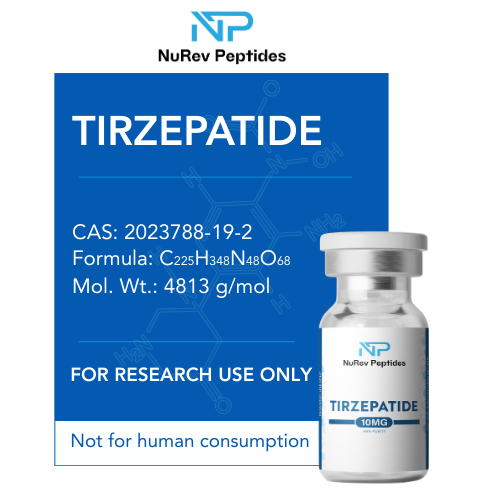
Tirzepatide 10MG is a research peptide referenced in scientific literature as a dual glucose-dependent insulinotropic polypeptide (GIP) and glucagon-like peptide-1 (GLP-1) receptor analogue. Tirzepatide is a gastric inhibitory polypeptide (GIP) analog and a GLP-1 receptor agonist, developed by Eli Lilly and Company. It is a linear polypeptide of 39 amino acids, chemically modified for improved uptake and stability. Tirzepatide mimics the actions of natural GIP and GLP-1 hormones, acting as a dual agonist that imitates the actions of the natural GIP hormone at the GIP receptor and exhibits biased signaling at the GLP-1 receptor. This mimicry enhances insulin secretion and improves metabolic regulation, contributing to its effectiveness in glycemic control and weight management. Tirzepatide is an antidiabetic medication used to treat type 2 diabetes and was approved for this use in the U.S. in May 2022. The FDA considers tirzepatide a first-in-class medication. Subcutaneous tirzepatide is administered via the subcutaneous route as a once-weekly injection, which is the standard method for this first-in-class medication. This Tirzepatide 10MG product page provides educational, research-only information focused on compound classification, laboratory context, and non-clinical investigation.
Tirzepatide 10MG is supplied by NuRev Peptides strictly for laboratory research and testing purposes. All information presented here is neutral, factual, and intended to support scientific discussion rather than clinical, therapeutic, or diagnostic application. This compound is not intended for human or animal use.
Introduction to Tirzepatide as a GLP 1 Receptor Agonist
Tirzepatide is a novel research compound recognized for its dual agonist behavior, acting as both a glucose-dependent insulinotropic polypeptide (GIP) receptor agonist and a glucagon-like peptide-1 (GLP-1) receptor agonist. This unique mechanism has positioned tirzepatide at the forefront of laboratory studies investigating advanced metabolic regulation, particularly in the context of type 2 diabetes, weight loss, and severe obstructive sleep apnea. Tirzepatide can stimulate insulin release from the pancreas in a glucose-dependent manner and may influence satiety through receptors in the brain. GLP-1 stimulates insulin release when blood sugar is high, suppresses glucagon to lower liver sugar production, and slows gastric emptying. GIP enhances meal-time insulin secretion and targets brain receptors to signal satiety and improve how the body processes fat. The compound is typically administered via subcutaneous injection, and tirzepatide is available in pre-filled pens and vials for administration. The recommended starting dose of tirzepatide for weight loss is 2.5 mg weekly for a minimum of 4 weeks, with dosing able to be increased based on tolerance to 5 mg, 7.5 mg, 10 mg, 12.5 mg, and up to a maximum of 15 mg weekly to assess dose-dependent effects on glycemic control and weight reduction.
FDA-approved tirzepatide, marketed under names such as Mounjaro and Zepbound, has been the subject of extensive clinical trials. Tirzepatide completed phase III trials globally in 2021, and the FDA approved tirzepatide based on evidence from nine clinical trials of 7,769 participants with type 2 diabetes. These studies have demonstrated that the tirzepatide group consistently achieved superior glycemic control and significant weight loss compared to other weight loss medications and placebo groups. The compound’s ability to mimic the actions of endogenous GLP-1 and GIP hormones results in enhanced insulin secretion, improved insulin sensitivity, and reduced insulin resistance, all of which contribute to better glucose control and favorable metabolic effects, including positive impacts on lipid metabolism and blood pressure.
Tirzepatide is indicated for long-term weight reduction in adults with obesity or overweight with at least one weight-related comorbidity, and it was approved for weight loss in the U.S. as of November 2023. It is also effective in treating moderate-to-severe obstructive sleep apnea (OSA) in adults who also have obesity, linked to its potential to promote weight loss. Tirzepatide is used as an adjunct to diet and exercise to improve glycemic control in adults with type 2 diabetes.
Research has also highlighted the importance of safety considerations when investigating tirzepatide. Individuals with a personal or family history of medullary thyroid carcinoma or thyroid C cell tumors, as well as those with severe gastrointestinal disease, severe abdominal pain, or a history of acute pancreatitis, are identified in the literature as populations requiring particular caution. There is an increased risk of thyroid cancer and acute kidney injury associated with tirzepatide, and laboratory studies recommend close monitoring for any signs of thyroid dysfunction or renal impairment, such as neck swelling, decreased urine output, or peripheral edema. Diabetic retinopathy is a potential risk, and monitoring for vision changes is important. Drinking alcohol while using tirzepatide may increase the risk of hypoglycemia or other side effects, so patients should consult a healthcare professional about alcohol intake. Compounded versions of tirzepatide are made by licensed pharmacies due to high demand, but these are not FDA-approved.
Adverse effects commonly observed in clinical and laboratory settings include gastrointestinal adverse events, which were the most common side effects observed in clinical trials, especially during the initial dose increase phase. The most common side effects include nausea, vomiting, diarrhea, decreased appetite, constipation, upper abdominal discomfort, and abdominal pain. Severe symptoms, including severe nausea or severe abdominal pain, may indicate more serious complications and warrant immediate medical attention. Tirzepatide may also cause serious allergic reactions, including anaphylaxis and angioedema, and some people may experience agitation, irritability, or abnormal behaviors, including suicidal thoughts. To minimize injection site reactions, research protocols advise rotating injection sites, such as the upper arms, abdomen, or thighs, with each weekly dose.
To achieve good results with tirzepatide, it is essential to follow a low-calorie diet and exercise regularly, as medication alone is not enough to lose weight. Tirzepatide is considered a weight loss medication, and patients should consult healthcare professionals before use.
Additional considerations from laboratory and clinical research include the potential for tirzepatide to interact with oral hormonal contraceptives, suggesting a preference for non-oral contraceptive methods during studies. Dose adjustment and careful titration are emphasized to reduce the risk of gastrointestinal effects and other adverse events, particularly when increasing to higher doses.
In summary, receptor agonist tirzepatide represents a significant advancement in the study of metabolic disorders, offering superior glycemic control, weight reduction, and improved metabolic outcomes in research settings. However, its use requires careful consideration of individual risk factors, adherence to dosing protocols, and close monitoring for adverse effects. As with all research compounds, consultation with a qualified healthcare provider and adherence to established laboratory guidelines are essential for safe and effective study outcomes.
Scientific Background, Weight Loss, and Clinical Trials of Tirzepatide 10MG as a GLP 1 Receptor Agonist
Tirzepatide 10MG is discussed in research environments in relation to experimental endocrine signaling models involving incretin hormone pathways. In non-clinical research literature, this peptide has been referenced within laboratory frameworks exploring metabolic signaling, receptor binding dynamics, and hormonal interaction models.
Additional research discussions may reference this compound in controlled studies focused on signaling mechanisms and pathway exploration. NuRev Peptides does not make claims regarding efficacy, safety, or outcomes related to this product.
Research compounds should be stored in a cool, dry environment away from direct light. For longer-term laboratory storage, freezing at approximately −20°C is commonly referenced in research settings to help maintain compound integrity.
All information on this page is provided strictly for educational and research discussion purposes. This compound is not intended for diagnostic, therapeutic, medical, or veterinary use under any circumstances.
NuRev Peptides maintains a research-only policy and emphasizes transparency, documentation, and third-party laboratory verification where applicable. Additional scientific context can be found through publicly available research databases such as PubChem.
Dosage and Administration
Tirzepatide is administered as a subcutaneous injection, with dosing tailored to each individual’s response and tolerability. The recommended starting dose is 2.5 mg once weekly, maintained for at least four weeks to allow the body to adjust and minimize adverse effects. Based on clinical response and tolerability, the dose may be gradually increased in increments—5 mg, 7.5 mg, 10 mg, 12.5 mg, and up to a maximum of 15 mg weekly. It is essential to follow your healthcare provider’s instructions closely and attend regular follow-up appointments to monitor blood sugar levels, weight reduction, and any potential adverse effects.
For those using tirzepatide as a weight loss medication, combining the therapy with a low-calorie diet and regular exercise is crucial. Clinical trials have shown that the tirzepatide group achieved greater weight loss and improved glycemic control when lifestyle modifications were incorporated alongside medication. Tirzepatide is not a substitute for healthy habits; optimal results in weight management and glucose control are achieved through a comprehensive approach.
To reduce the risk of injection site reactions and allergic reactions, it is important to rotate injection sites with each weekly dose. Common areas for subcutaneous injection include the upper arms, abdomen, or thighs. Following proper injection technique and site rotation helps minimize local irritation and supports consistent absorption.
As a GLP-1 receptor agonist and glucose dependent insulinotropic polypeptide (GIP) analog, tirzepatide has demonstrated significant efficacy in clinical trials, leading to substantial weight reduction and superior glycemic control compared to placebo. However, higher doses may increase the risk of gastrointestinal adverse effects, such as severe nausea, vomiting, and abdominal pain. Individuals with a personal or family history of medullary thyroid carcinoma or thyroid C cell tumors should not use tirzepatide due to the increased risk of thyroid cancer. Caution is also advised for those with severe gastrointestinal disease, severe abdominal pain, or a history of acute pancreatitis, as these conditions may be exacerbated by tirzepatide.
If a missed dose occurs, consult your healthcare provider for guidance on when to administer the next dose and whether any dose adjustment is necessary. Tirzepatide is not indicated for patients with type 1 diabetes or diabetic ketoacidosis. Additional risks include acute kidney injury, serious allergic reactions, and diabetic retinopathy, so ongoing monitoring and prompt reporting of severe symptoms are essential.
Women using oral hormonal contraceptives should consider switching to a non-oral contraceptive method, as tirzepatide may reduce the effectiveness of oral contraceptives. Patients are also advised to avoid drinking alcohol while on tirzepatide, as alcohol can increase the risk of adverse effects and complicate blood sugar management.
FDA-approved tirzepatide is available in multi-dose vials and pre-filled pens, and administration should always follow the instructions provided by your healthcare provider. If compounded medication is used, it should be obtained only from a reputable compounding pharmacy under medical supervision, as compounded formulations may carry additional risks.
In summary, tirzepatide offers a powerful tool for weight reduction and improved glycemic control when used as directed. Adhering to the recommended dosage, rotating injection sites, and maintaining open communication with your healthcare provider are key to minimizing adverse effects and achieving the best possible outcomes. By integrating tirzepatide with a healthy lifestyle, patients can maximize benefits while reducing the risk of complications.
Clinical Trials and Efficacy
Tirzepatide has been the focus of numerous clinical trials designed to assess its efficacy and safety as a dual glucose dependent insulinotropic polypeptide (GIP) and glucagon like peptide 1 (GLP 1) receptor agonist. These studies have consistently demonstrated that FDA approved tirzepatide delivers clinically significant weight loss and superior glycemic control in adults with type 2 diabetes and obesity. Participants in the tirzepatide group, receiving subcutaneous tirzepatide at various tirzepatide doses (including 5, 10, and 15 mg weekly), experienced marked weight reduction, improved insulin sensitivity, and decreased insulin resistance compared to placebo and other weight loss medications.
Beyond its impact on blood glucose levels, tirzepatide has shown positive effects on lipid metabolism, including reductions in triglycerides and LDL cholesterol, further supporting its role in comprehensive weight management and metabolic health. Clinical trials have also explored tirzepatide’s potential in treating severe obstructive sleep apnea, with results indicating significant improvements in OSA symptoms and a reduction in the risk of severe symptoms among adults with obesity.
Safety data from these clinical trials highlight gastrointestinal adverse reactions as the most common adverse events, such as nausea, vomiting, diarrhea, decreased appetite, and abdominal pain. These effects are generally dose-dependent and tend to be mild to moderate, but severe gastrointestinal disease, severe abdominal pain, or severe nausea may occur and require immediate medical attention. Allergic reactions, including serious allergic reactions at the injection site, have also been reported, underscoring the importance of monitoring for any severe symptoms and seeking healthcare provider assistance promptly.
Certain populations require special consideration due to increased risk. Individuals with a personal or family history of medullary thyroid carcinoma or thyroid C cell tumors, as well as those with a history of severe gastrointestinal disease, acute pancreatitis, or severe obstructive sleep apnea, should be closely monitored. The risk of acute pancreatitis and thyroid cancer, including medullary thyroid carcinoma, necessitates vigilance for symptoms such as persistent abdominal pain or neck swelling.
Proper administration is crucial for minimizing adverse events. Rotating injection sites—such as the upper arms, abdomen, or thighs—with each weekly dose helps reduce the risk of injection site reactions. If a missed dose occurs, it is important to consult a healthcare provider for guidance on dose adjustment and to avoid potential complications. When tirzepatide is used in combination therapy with other glucose-lowering agents, there is an increased risk of low blood sugar, so frequent monitoring of blood glucose levels is recommended.
Clinical trials have also evaluated the use of tirzepatide in combination with other weight loss medications, showing that combination therapy can further enhance weight loss and glycemic control. However, the use of compounded medication, including tirzepatide from a compounding pharmacy, should be approached with caution, as these formulations may not be FDA approved and could pose additional safety risks.
In summary, tirzepatide has demonstrated robust efficacy in clinical trials for weight loss, weight reduction, and glycemic control, with a generally favorable safety profile when used as directed. To optimize outcomes and minimize adverse events, it is essential to follow the recommended dosing schedule, rotate injection sites, and maintain regular communication with a healthcare provider. Incorporating regular exercise, frequent meals, and a balanced diet can further support glycemic control and weight management during tirzepatide therapy. If any severe symptoms or adverse events occur, individuals should seek immediate medical attention and consult their healthcare provider immediately.
Additional scientific context related to compounds can be found through publicly available research databases such as PubChem.
For further information on purity please visit Certificates of Analysis.
To learn more about our research disclaimers please visit our page Research-only disclaimer.



 Verified purity ≥99% (COA available)