
SLU-PP-332: A Comprehensive Guide to This Exercise Mimetic Research Compound
The quest to understand how physical activity transforms our bodies at the molecular level has led researchers to develop fascinating tool compounds. Among these, SLU-PP-332 stands out as a synthetic molecule capable of triggering metabolic adaptations that closely mirror those induced by aerobic training—without requiring actual movement.
This guide provides researchers, scientists, and those curious about metabolic research with a thorough examination of SLU-PP-332, from its molecular mechanism to its applications in obesity and aging studies. Whether you’re designing preclinical experiments or simply want to understand this new class of exercise mimetics, you’ll find the essential information here.
SLU-PP-332 Peptide Overview
SLU-PP-332 is a synthetic, orally active, non-selective estrogen related receptor (ERRα/β/γ) agonist developed as an exercise mimetic research compound at Saint Louis University School of Medicine. This pp 332 compound represents an innovative approach to studying energy metabolism by activating the same molecular pathways that endurance exercise normally triggers.
The compound enhances exercise capacity through its effects on fatty acid oxidation, mitochondrial biogenesis, and overall metabolic efficiency via ERR-driven and PPARδ-linked gene expression programs. These pathways serve as a key regulator of cellular energy production and fuel utilization throughout the body.
Preclinical data demonstrates remarkable effects in mice: at 50 mg/kg administered intraperitoneally twice daily for 12–28 days, treated obese mice gained approximately 10 times less fat and lost roughly 12% body weight compared to vehicle controls. Perhaps most strikingly, these animals showed approximately 50% greater running endurance on standardized treadmill testing.
Critical disclaimer: SLU-PP-332 is an investigational molecule intended strictly for research use in laboratory settings. It is not approved for human or veterinary use, ingestion, or administration of any kind.
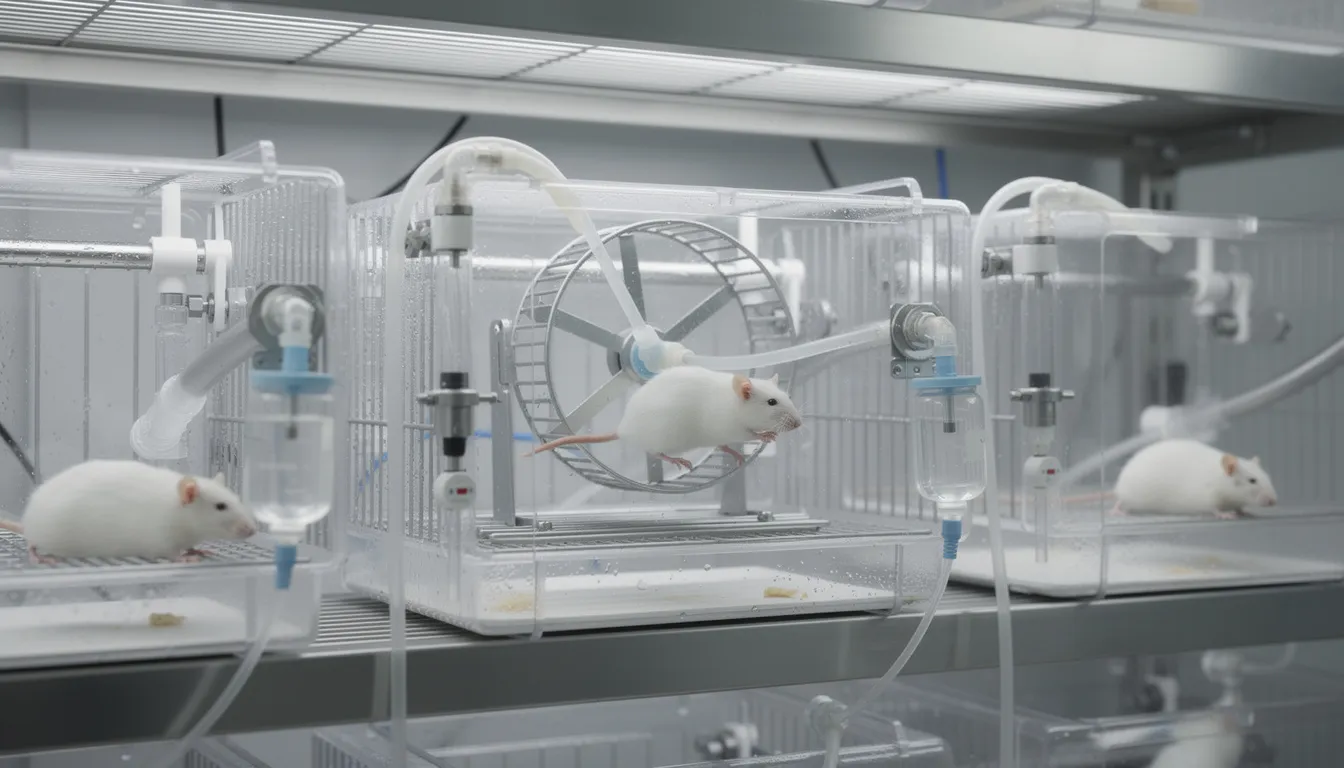
Mechanism of Action: ERR Agonism and Exercise Mimetic Effects
SLU-PP-332 functions as a potent pan-ERR agonist with demonstrated activity across all three receptor subtypes. The compound shows its strongest binding at ERRα with an EC50 of approximately 98 nM, making it a highly effective activator of these nuclear receptors. These estrogen related receptors regulate the same genes normally induced by endurance exercise in skeletal muscle, heart, and liver tissues.
When SLU-PP-332 binds to ERRα/β/γ, it triggers transcription of genes involved in:
- Fatty acid oxidation and lipid metabolism
- Oxidative phosphorylation and cellular respiration
- Mitochondrial biogenesis and mitochondrial function
- Overall energy expenditure and oxidative metabolism
The downstream signaling cascade involves several critical molecular players. PGC-1α (peroxisome proliferator-activated receptor gamma coactivator 1-alpha) serves as a central coactivator that amplifies ERR-driven gene expression. This interaction upregulates enzymes responsible for fat oxidation, increases oxidative muscle fiber programming, and enhances oxidative phosphorylation complexes within mitochondria.
This ERR agonism overlaps functionally with PPARδ-driven pathways, which explains why researchers often frame SLU-PP-332 as both an ERR agonist and an exercise mimetic modulator of metabolic gene expression. The cell mechanism essentially tells tissues to adopt the metabolic profile of an endurance-trained organism, even in sedentary animals.
Physiologic and Metabolic Effects in Preclinical Models
Research conducted by Billon C, Welch R, and colleagues, along with work from Elgendy B and others published in journals including Cell Metab, J Biol Chem, and ACS Chem Biol, has demonstrated that SLU-PP-332 recapitulates many benefits of aerobic exercise in sedentary and obese mice—without increasing spontaneous physical activity or locomotor behavior.
Body Composition and Energy Balance
Metabolic studies in male C57BL/6J and ob/ob mice reveal consistent patterns across experiments. Treated animals show approximately 25% higher fatty acid oxidation rates after 10–28 days of dosing. This shift toward fat as a primary fuel source translates directly to body composition changes: reduced fat mass accumulation despite unchanged food intake and stable or modestly reduced total body weight.
Importantly, these changes occur without significant alterations to brown adipose tissue mass or lean mass, suggesting that SLU-PP-332 specifically targets white adipose tissue and lipid handling rather than causing generalized tissue wasting.
Energy Expenditure and Fuel Selection
Whole-body metabolic profiling reveals increased total energy expenditure alongside a reduced respiratory exchange ratio (RER). The lower RER values indicate a metabolic shift favoring lipid utilization over carbohydrate burning—the same pattern observed during aerobic training or fasting states.
Lipid Profile Improvements
In diet induced obesity models, plasma triglycerides, total cholesterol, and HDL levels decline with treatment. Critically, liver transaminases remain within normal ranges, suggesting improved lipid handling in the liver without overt hepatotoxicity. This finding is particularly relevant for research on hepatic steatosis and related metabolic diseases.
Skeletal Muscle Adaptations
Muscle function analysis shows that skeletal muscle displays increased oxidative capacity and fuel utilization following SLU-PP-332 treatment. Tissue analysis reveals higher pyruvate content and reduced glycogen levels—patterns consistent with greater metabolic throughput during rest, as if the muscle had undergone sustained endurance training.
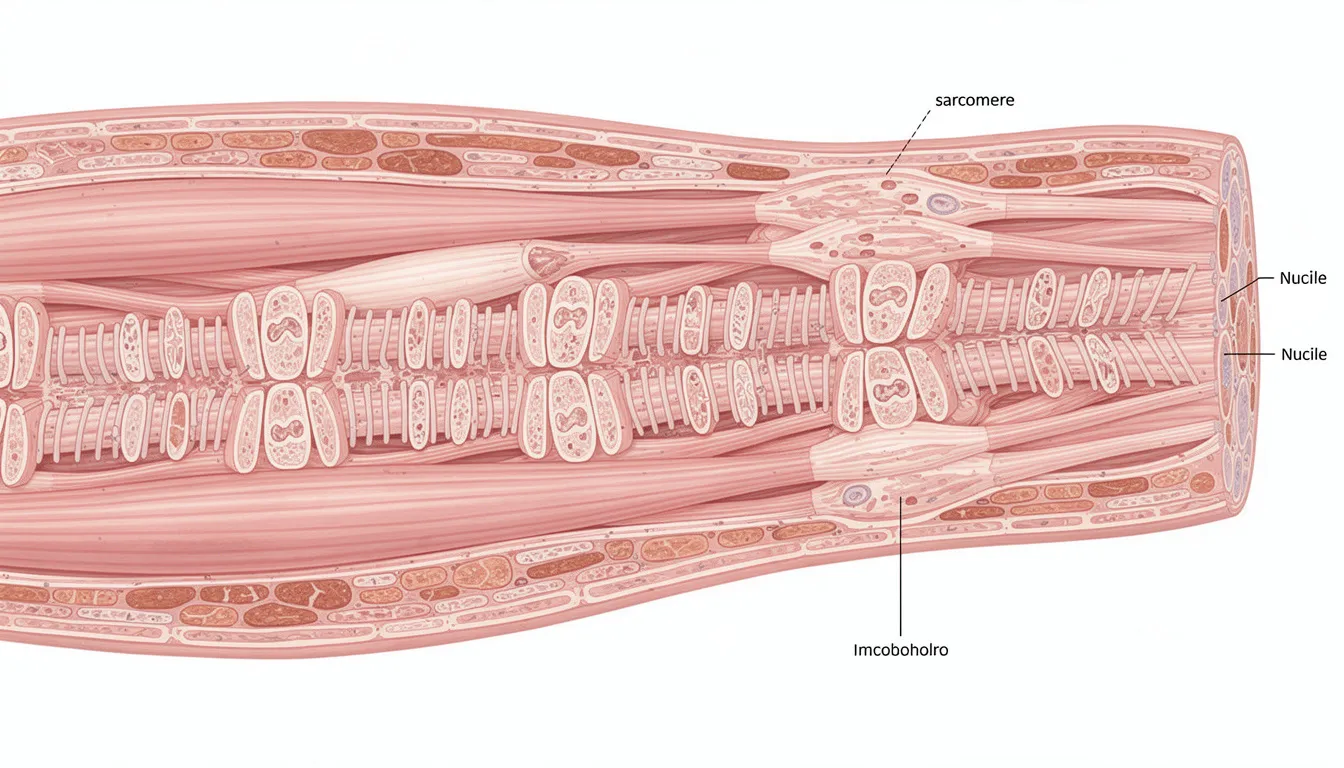
Exercise Mimetic Properties and Endurance Outcomes
The term “exercise mimetic” describes compounds that trigger an acute aerobic exercise gene signature in sedentary animals. SLU-PP-332 exemplifies this class by activating the molecular machinery of endurance adaptation without requiring actual locomotion.
Performance Improvements
Standardized testing demonstrates that SLU-PP-332 improves treadmill or running wheel endurance capacity in mouse models. Treated mice run nearly 50% farther than baseline measurements under controlled testing conditions. This enhanced exercise capacity occurs consistently across multiple study protocols and mouse strains.
The performance improvements happen without corresponding increases in spontaneous locomotor activity when animals are monitored in metabolic cages. This distinction is critical: SLU-PP-332 enhances metabolic efficiency and muscle capacity rather than simply stimulating movement behavior or creating hyperactivity.
Muscle Remodeling
Chronic SLU-PP-332 exposure produces skeletal muscle adaptations typically associated with endurance training programs:
| Adaptation | Effect | Relevance |
|---|---|---|
| Mitochondrial content | Increased | Enhanced energy production capacity |
| Fiber type composition | Shift toward oxidative Type I/IIa | Improved fatigue resistance |
| Capillary density | Increased | Better oxygen and nutrient delivery |
| Oxidative enzyme activity | Elevated | More efficient fuel utilization |
These adaptations mirror what researchers observe in animals and humans following weeks of consistent aerobic training, further validating SLU-PP-332’s classification as an exercise mimetic.
Impact on Glucose Metabolism and Insulin Sensitivity
SLU-PP-332 demonstrates complex, model-dependent effects on glucose metabolism that differ substantially between lean and obese animals. Understanding these distinctions is essential for researchers designing studies on insulin resistance and related conditions.
Effects in Lean Animals
In lean, chow-fed mice, chronic dosing does not substantially alter:
- Fasting or fed blood glucose levels
- Plasma insulin concentrations
- Responses in glucose and pyruvate tolerance tests
Pancreatic islet morphology remains unchanged, as does expression of classical gluconeogenic genes such as Pck1. These findings indicate that SLU-PP-332 does not dramatically shift hepatic glucose output in metabolically healthy animals.
Effects in Obese Animals
The picture changes substantially in diet-induced obese and ob/ob mice models. In these animals, SLU-PP-332:
- Reduces fasting glucose levels
- Lowers plasma insulin concentrations
- Improves markers of insulin sensitivity
- Does not elevate hepatic gluconeogenesis
Muscle tissue shows increased glucose uptake and a metabolic shift favoring rapid fuel utilization. This muscle-level adaptation likely contributes to the systemic improvements in insulin sensitivity observed in obese models.
These differential effects suggest that SLU-PP-332’s metabolic benefits may be most pronounced in the context of metabolic dysfunction, though research in humans would be needed to examine whether similar patterns occur outside of mice models.
Preclinical Study Designs and Model Systems
Understanding how researchers have tested SLU-PP-332 provides essential context for interpreting published findings and designing new experiments. This section summarizes the standard approaches used in metabolic and endurance studies.
Animal Models
Most published work uses male C57BL/6J and ob/ob mice obtained from established suppliers such as Jackson Laboratory. Typical study designs include:
- Group sizes: 8–10 animals per treatment arm
- Housing: Controlled 12:12 light–dark cycles
- Acclimation: Standard 1-week facility acclimation before study initiation
Dosing Protocols
The standard SLU-PP-332 dosing regimen in metabolic studies involves:
| Parameter | Standard Protocol |
|---|---|
| Dose | 50 mg/kg |
| Route | Intraperitoneal (i.p.) |
| Frequency | Twice daily |
| Duration | 12–28 days |
| Timing | Zeitgeber times 0 and 12 |
The timing aligns with circadian metabolic rhythms to optimize compound exposure during metabolically active periods.
Diet-Induced Obesity Protocol
For studies examining effects in obese mice, researchers typically:
- Feed C57BL/6J mice a 60% high-fat diet for approximately 8 weeks
- Confirm obesity phenotype development
- Begin 28-day SLU-PP-332 or vehicle treatment course
- Track body weight, food intake, and body composition longitudinally
Metabolic Monitoring
Comprehensive Laboratory Animal Monitoring System (CLAMS) cages enable continuous measurements of:
- Oxygen consumption (VO2)
- Carbon dioxide production (VCO2)
- Respiratory exchange ratio (RER)
- Spontaneous locomotor activity
Animals undergo 5-day acclimation periods followed by 7–10 days of drug or vehicle treatment with continuous monitoring.
Molecular Analysis
Gene expression is typically assessed by qPCR using the ΔΔCt method with reference genes such as 36B4. Tissues examined include skeletal muscle, liver, and adipose tissue. Plasma metabolites including triglycerides and cholesterol are measured on instruments like the Analox GM7 MicroStat.

Applications in Obesity, Metabolic Syndrome, and Aging Research
SLU-PP-332 serves as a valuable tool compound for studying metabolic diseases, obesity, and aging-related mitochondrial dysfunction. Its well-defined mechanism allows researchers to dissect specific pathways contributing to these conditions.
Obesity and Metabolic Syndrome Research
In diet-induced obese and genetically obese mouse models, SLU-PP-332 produces effects directly relevant to metabolic syndrome research:
- Reduces fat mass accumulation
- Supports weight loss of approximately 10–12%
- Lowers plasma lipids
These outcomes make the compound valuable for examining pathways underlying metabolic syndrome and identifying potential intervention points for chronic diseases associated with obesity.
Aging and Sarcopenia Studies
The ability to enhance skeletal muscle oxidative capacity and mitochondrial biogenesis positions SLU-PP-332 as a useful probe for anti aging research. Specific applications include:
- Sarcopenia research: Examining whether ERR activation can counter age-related muscle loss
- Frailty studies: Testing metabolic interventions for age-related decline in endurance
- Mitochondrial dysfunction: Understanding how restoring mitochondrial function affects tissue aging
Cardiometabolic Research
Emerging preclinical evidence, examined by Narkar VA and others, suggests that ERR agonism can ameliorate heart failure phenotypes by improving cardiac fatty acid metabolism and mitochondrial function. This positions SLU-PP-332 within broader cardiometabolic research programs investigating cardiac energy metabolism.
Additional Research Directions
Scientists are exploring whether ERR activation via compounds like SLU-PP-332 might modulate:
- Tissue-level inflammation
- Organ fibrosis
- Mitochondrial dysfunction in aging tissues (kidney, liver)
These applications remain at early stages, with cell based assays and animal studies forming the foundation for potential future experimental therapeutics development.
Safety, Regulatory Status, and Research-Only Use
All available safety information for SLU-PP-332 comes from animal and in vitro studies. There are no completed, publicly available late-stage clinical trials in humans.
Preclinical Safety Observations
In mouse models, repeated dosing under standard experimental conditions:
- Did not significantly elevate liver enzymes
- Showed no overt toxicity in heart, liver, or kidney histology
- Maintained normal transaminase levels
However, long-term and high-dose risks remain insufficiently characterized. The safety profile has not been examined across all potentially affected organ systems or over extended treatment durations.
Regulatory Status
SLU-PP-332 is an Investigational New Drug (IND) candidate. It is not approved by the FDA or other regulatory agencies for:
- Therapeutic use in any condition
- Bodybuilding or athletic performance enhancement
- Biohacking or personal experimentation
- Any non-research application
Off-Label Use Warning
Any experimental self-administration by individuals—whether in biohacking communities or for personal fitness goals—occurs entirely outside regulatory frameworks and lacks controlled safety data. The compound has not been tested for safety, efficacy, or appropriate dosing in humans.
Proper Research Use
In legitimate research settings, use of SLU-PP-332 should follow:
- Institutional Animal Care and Use Committee (IACUC) approvals
- Appropriate dosing justifications based on published literature
- Standard laboratory safety practices
- Proper documentation and experimental controls
The drug is a scientific instrument for understanding biology, not a treatment or supplement.
Key Experimental Methods and Data Interpretation
Reliable interpretation of SLU-PP-332 data depends on understanding the main analytical methods used in published studies. This section provides methodological context for evaluating research findings.
Glucose and Insulin Dynamics
Researchers evaluate glucose handling through:
- Glucose tolerance tests (GTT): Following 6-hour fast, intraperitoneal glucose at 2 g/kg fat-free mass
- Blood glucose monitoring: Serial measurements at 0, 15, 30, 60, and 120 minutes
- Insulin measurements: Plasma samples analyzed via standardized assays
These tests allow researchers to calculate area-under-curve values and assess glucose clearance rates.
Statistical Approaches
Published studies typically employ:
| Test Type | Application |
|---|---|
| Student’s t-test | Two-group comparisons |
| One-way ANOVA | Multiple treatment groups |
| Two-way ANOVA | Time × treatment interactions |
| Bonferroni post-hoc | Pairwise comparisons after ANOVA |
The conventional significance threshold is P < 0.05, though effect sizes and biological relevance should inform data interpretation beyond statistical significance.
Gene Expression Analysis
qPCR-based quantification of ERR target genes and mitochondrial markers in skeletal muscle, liver, and adipose tissues allows researchers to characterize transcriptional responses. Fold-changes are interpreted as indicators of exercise-like transcriptional signatures when they mirror patterns seen after endurance training.
Distinguishing Primary and Secondary Effects
Critical interpretation requires distinguishing:
- Primary drug effects: Direct ERR activation and immediate downstream signaling
- Secondary adaptations: Changes in substrate preference, adiposity, or tissue remodeling that occur over time
This distinction affects how researchers attribute observed outcomes to specific mechanisms versus broader physiological adaptations.
Limitations, Open Questions, and Future Directions
Current knowledge of SLU-PP-332 derives primarily from rodent models and short-to-medium-term experiments. These findings may not extrapolate directly to long-term human physiology, and several important limitations warrant consideration.
Key Limitations
Species differences: ERR biology may differ between mice and humans in ways that affect compound efficacy, tissue specificity, and safety profiles.
Long-term safety: The consequences of chronic ERR activation remain uncertain. Extended dosing studies would be needed to characterize potential risks of sustained receptor activation.
Off-target effects: Tissue-specific off-target effects may exist that current studies have not fully characterized, particularly in organs not routinely examined.
Translation to humans: Animal model findings, especially at the specific doses used, may not predict human responses accurately.
Open Research Questions
Future investigations should address:
- Optimal dosing strategies: What dose ranges balance efficacy with safety margins?
- Exercise interactions: Does SLU-PP-332 enhance, replace, or interfere with actual exercise training?
- Systemic effects: Could chronic ERR activation affect reproductive, endocrine, or circadian systems?
- Tissue specificity: Can modified compounds achieve organ-selective effects?
Areas Requiring Further Study
Comprehensive studies are needed examining:
- Cardiac remodeling in chronic treatment models
- Immune modulation and potential effects on arthritis or inflammatory conditions
- Organ-specific fibrosis in aging contexts
- Interactions with common medications or dietary interventions
Future Outlook
Regardless of eventual clinical development outcomes, SLU-PP-332 will likely remain a valuable mechanistic probe for dissecting exercise biology and mitochondrial regulation. The compound enables researchers to activate exercise-like signaling in controlled experimental settings, providing insights into how physical activity produces its beneficial effects.
Understanding these pathways through continued research may ultimately inform development of therapies for metabolic syndrome, obesity-related chronic diseases, and age-related decline in muscle function and endurance—even if the specific compound itself never advances to human medicine.
Key Takeaways
- SLU-PP-332 is a synthetic ERR agonist that mimics many metabolic effects of aerobic training in preclinical models
- The compound enhances fatty acid oxidation, mitochondrial biogenesis, and endurance capacity in mice
- Obese mouse models show reduced fat accumulation, improved lipid profiles, and better insulin sensitivity
- All safety and efficacy data comes from animal studies; no human clinical trials are complete
- SLU-PP-332 is strictly a research tool and is not approved for human use under any circumstances
- Proper research use requires IACUC approval and adherence to laboratory safety protocols
For researchers interested in metabolic signaling, exercise biology, or mitochondrial function, SLU-PP-332 offers a powerful tool for examining how endurance adaptations occur at the molecular level. As the field advances, compounds in this class may yield insights applicable across obesity, aging, and cardiometabolic disease research—provided studies continue with appropriate rigor and ethical oversight.
Additional scientific context related to compounds can be found through publicly available research databases such as PubChem.
For further information on purity please visit Certificates of Analysis.
To learn more about our research disclaimers please visit our page Research-only disclaimer.