
Tirzepatide Peptide
Tirzepatide peptide is a dual-acting GIP and GLP-1 receptor agonist widely studied for its effects on metabolic regulation and weight-related pathways. If you’ve been researching modern treatments for type 2 diabetes or exploring options for weight management, you’ve likely encountered tirzepatide. This synthetic peptide has generated significant attention since its approval in 2022, and for good reason.
Understanding what tirzepatide peptide offers—and what it requires—can help you have more informed conversations with your doctor about whether it fits your health goals.
What Is Tirzepatide Peptide?
Tirzepatide is a synthetic peptide drug designed to address two of the most challenging aspects of metabolic health: elevated blood glucose levels and excess body weight. Approved by the FDA for type 2 diabetes (marketed as Mounjaro) and more recently for chronic obesity in adults (as Zepbound), tirzepatide represents a new class of medicine in the incretin therapy space. Other peptide therapies under investigation for metabolic health and weight loss, such as retatrutide titration protocols, illustrate the growing potential of these medications in treating obesity and related conditions.
What sets tirzepatide apart from earlier treatments is its dual-action design. Often called a “twincretin,” this peptide activates both the glucose dependent insulinotropic polypeptide (GIP) receptor and the glucagon like peptide 1 receptor simultaneously. This is fundamentally different from older injectable peptide therapies that target only the GLP-1 receptor.
The primary clinical goals of tirzepatide treatment are straightforward:
- Lowering blood sugar to healthier ranges in patients with type 2 diabetes
- Supporting meaningful weight loss in adults with obesity or overweight conditions
- Improving overall glucose metabolism and metabolic health markers
Tirzepatide is administered as a once-weekly subcutaneous injection, making it a convenient option for patients who prefer less frequent dosing compared to daily medications.
How Tirzepatide Peptide Works in the Body
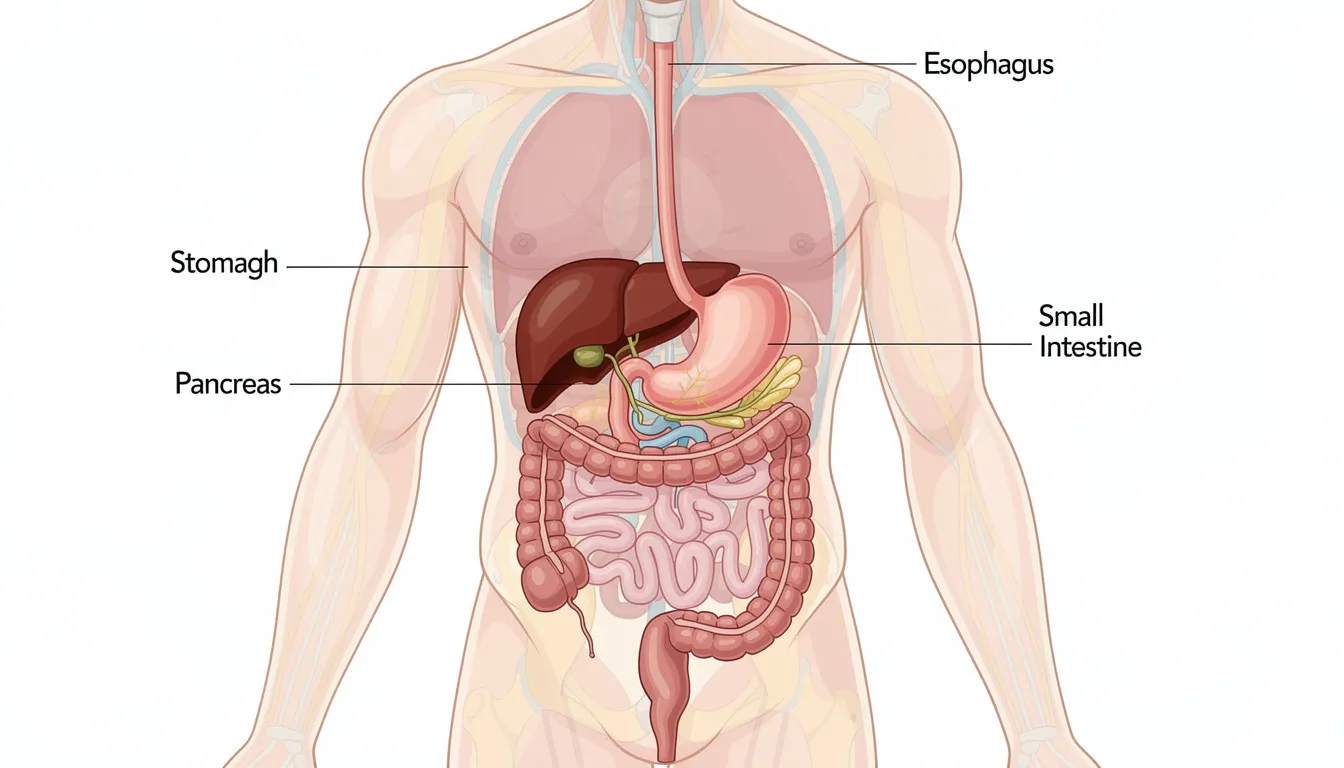
To understand how tirzepatide functions, it helps to first understand incretin hormones. After you eat a meal, your gut naturally releases two key hormones: GIP and GLP-1. These hormones signal your pancreas to release insulin, suppress excess glucagon production, slow down digestion, and send satiety signals to your brain. In essence, they help your body manage the influx of nutrients efficiently.
Tirzepatide is engineered as a dual GIP/GLP-1 receptor agonist that mimics both of these natural hormones. By activating both receptor pathways, it amplifies the body’s ability to regulate blood sugar and appetite beyond what either hormone could achieve alone.
Here’s how tirzepatide affects your metabolism:
- Enhanced insulin secretion: When glucose is elevated, tirzepatide stimulates the pancreas to release more insulin, helping clear sugar from the bloodstream
- Glucagon suppression: It reduces the release of glucagon, a hormone that otherwise signals the liver to produce more glucose
- Delayed gastric emptying: Food moves more slowly through the stomach, which reduces post-meal glucose spikes and increases feelings of fullness
- Reduced food intake: The peptide acts on brain regions that regulate appetite, decreasing cravings and overall caloric consumption
- Improved insulin sensitivity: Beyond direct insulin effects, tirzepatide may help tissues respond more effectively to insulin over time
- Metabolic benefits: Research suggests potential positive effects on liver fat and lipid metabolism
The peptide’s structure includes a fatty diacid attachment that enables roughly 99% plasma albumin binding. This engineering extends its half-life significantly, which is why a single weekly dose maintains therapeutic effects for seven full days.
Clinical Evidence: Key Tirzepatide Peptide Trials
The efficacy of tirzepatide rests on robust clinical data from two major phase 3 research programs: SURPASS (for type 2 diabetes) and SURMOUNT (for obesity). These trials, conducted between 2018 and the early 2020s, enrolled thousands of patients and compared tirzepatide against placebo, insulin, and established GLP-1 receptor agonist medications.
SURPASS Trials (Type 2 Diabetes)
The SURPASS program included multiple trials examining tirzepatide in adults with type 2 diabetes:
- Participants achieved HbA1c reductions averaging 2.0 to 2.5 percentage points over 40 to 52 weeks
- Between 81% and 91% of patients reached the American Diabetes Association target of HbA1c below 7%
- A substantial proportion achieved near-normal glucose levels (HbA1c below 5.7%)
- Tirzepatide demonstrated superior glycemic control compared to both placebo and active comparators, including semaglutide
Body weight reductions in diabetes trials ranged from 15 to 25 pounds on average, depending on the dose, with higher doses producing greater effects.
SURMOUNT Trials (Obesity)
SURMOUNT-1 became a landmark study for obesity treatment in adults without diabetes:
- Participants on the highest dose (15 mg weekly) achieved average weight loss of approximately 20% to 22% of baseline body weight at 72 weeks
- Control groups receiving placebo showed minimal weight changes, highlighting the drug’s significant effect
- Over 85% of participants on tirzepatide lost at least 5% of their body weight
Additionally, across multiple studies, tirzepatide improved secondary outcomes including blood pressure, triglyceride levels, and markers of inflammation. These findings suggest broader cardiometabolic benefits that interest researchers in the field of lipid atheroscler disease prevention.
Metabolic and Cardiovascular Effects of Tirzepatide
The connection between improved glucose control, weight loss, and cardiovascular health is well established. For patients with type 2 diabetes and obesity—conditions that carry high risk for heart disease—tirzepatide’s metabolic effects may translate into meaningful cardiovascular protection over time.
Glycemic Effects
- Sustained HbA1c reductions maintained over at least one year in clinical trials
- Some patients were able to reduce or discontinue background insulin or other glucose-lowering medications
- The glucose-dependent nature of tirzepatide’s action minimizes hypoglycemia risk, a significant safety advantage
Weight Effects
- Dose-dependent weight reduction observed consistently across both diabetes and non-diabetes populations
- Higher doses (10 mg and 15 mg weekly) produced the most substantial results
- Weight loss appears to support improvements in other metabolic factors
Cardiovascular Risk Factor Changes
Clinical data from tirzepatide trials demonstrated:
- Modest but clinically meaningful reductions in systolic and diastolic blood pressure
- Decreases in total cholesterol, LDL-C, and triglycerides
- Increases in HDL-C (the “good” cholesterol)
- Improvements in waist circumference, a marker of visceral adiposity
Emerging Research Areas
Anti-inflammatory effects observed in research settings include reductions in C-reactive protein and other markers of systemic inflammation. While promising, these findings remain under active investigation and require confirmation in larger, longer-term studies.
Dedicated cardiovascular outcome trials are currently underway to determine whether tirzepatide directly reduces major adverse cardiovascular events such as heart attacks and strokes. Results from trials like SURPASS-CVOT will help clarify the full extent of tirzepatide’s cardiovascular benefits over several years.
Therapeutic Uses of Tirzepatide Peptide
Tirzepatide is currently indicated primarily for adults with type 2 diabetes, with strong emerging use—sometimes off-label—for chronic obesity and overweight conditions accompanied by weight-related comorbidities.
Type 2 Diabetes Management
In clinical practice, tirzepatide therapy is typically considered when:
- Metformin and lifestyle changes alone haven’t achieved adequate glucose control
- A patient would benefit from significant weight loss alongside diabetes management
- Other oral agents have proven insufficient
- A once-weekly injectable fits the patient’s preferences better than daily medications
Clinicians often integrate tirzepatide into comprehensive care plans that include nutrition counseling, increased physical activity through structured exercise programs, and sometimes other medications like SGLT2 inhibitors or basal insulin for optimal control.
Obesity and Weight Management
For patients without diabetes seeking to lose weight, tirzepatide addresses a critical gap in treatment options. Appropriate candidates typically include:
- Adults with a BMI of 30 or greater (obesity)
- Adults with a BMI of 27 or greater with at least one weight-related condition such as hypertension, dyslipidemia, fatty liver disease, or obstructive sleep apnea
- Patients who have not achieved meaningful weight loss through behavior modification and lifestyle interventions alone
It’s essential to understand that tirzepatide peptide therapy is designed as part of a long-term, structured metabolic health strategy. It is not a short-term solution or a substitute for sustainable lifestyle modifications. The best outcomes occur when medication supports—rather than replaces—healthy eating patterns, regular physical activity, adequate sleep, and stress management.

Safety, Side Effects, and Precautions
Tirzepatide peptide is generally well tolerated, but like all medications, it carries potential side effects that require medical supervision and awareness. Understanding these risks helps patients make informed decisions and recognize when to seek medical attention.
Common Gastrointestinal Side Effects
The most frequently reported adverse effects involve stomach problems, particularly during the initial weeks of treatment and dose escalation periods:
- Nausea (affecting 20-40% of patients depending on dose)
- Vomiting
- Diarrhea
- Constipation
- Abdominal discomfort or pain
- Decreased appetite
- Fatigue during initial treatment
These symptoms typically diminish over time as the body adjusts to the medication. Gradual dose titration, which is standard practice, helps minimize their severity.
Serious but Less Common Risks
Patients and healthcare providers should monitor for:
- Pancreatitis: Severe, persistent abdominal pain that may radiate to the back requires immediate evaluation
- Gallbladder disease: Including gallstones and cholecystitis, particularly in patients experiencing rapid weight loss
- Severe gastrointestinal events: Including gastroparesis or bowel obstruction in rare cases
- Diabetic retinopathy complications: Patients with existing eye disease should have appropriate monitoring
- Injection site reactions: Including swelling, redness, or pain at the injection site
- Thyroid C-cell tumors: A boxed warning exists based on rodent studies; while human relevance is uncertain, monitoring is advised
When to Seek Urgent Care
Contact your doctor or seek immediate medical attention if you experience:
- Severe abdominal pain that doesn’t resolve
- Persistent vomiting that prevents keeping fluids down
- A lump or swelling in your neck
- Difficulty swallowing or persistent hoarseness
- Symptoms of allergic reaction including difficulty breathing or severe rash
- Signs of low blood sugar if taking insulin concurrently
Contraindications and Special Populations
Tirzepatide should not be used in patients with:
- Personal or family history of medullary thyroid carcinoma
- Multiple endocrine neoplasia syndrome type 2
- Known hypersensitivity to tirzepatide or its components
Use requires careful consideration and monitoring in patients with:
- Advanced kidney disease
- Significant liver disease
- History of pancreatitis
- Severe gastrointestinal diseases
Pregnancy and Breastfeeding
Women of childbearing potential should be aware that:
- Tirzepatide is not recommended during pregnancy due to limited human data and potential fetal risk
- The medication should be discontinued at least two months before planned conception
- Breastfeeding while on tirzepatide is not recommended due to unknown excretion in breast milk
Always discuss family planning with your healthcare provider if you’re considering or currently using tirzepatide.
Tirzepatide Peptide vs. Other Peptide-Based Therapies
Tirzepatide exists within a broader landscape of peptide-based treatments for metabolic diseases. Understanding how it compares to alternatives—particularly GLP-1 receptor agonist medications like semaglutide—helps patients and providers make appropriate treatment selections.
The Core Pharmacologic Difference
The fundamental distinction lies in receptor targeting:
- Tirzepatide: Activates both GIP receptors and GLP-1 receptors (dual agonism)
- Semaglutide and similar drugs: Activate only the GLP-1 receptor (single agonism)
This dual mechanism means tirzepatide engages a broader set of metabolic pathways. Research from institutions like Duke Health has emphasized that GIP receptor activation provides additional insulin-stimulating activity and may affect adipose tissue function differently than GLP-1 alone.
Clinical Outcome Comparisons
Head-to-head trial data (such as SURPASS-2 comparing tirzepatide to semaglutide) suggest:
- Greater average HbA1c reductions with tirzepatide at comparable doses
- More substantial average weight loss (approximately 15-20% with tirzepatide vs. 10-15% with GLP-1 only agonists in obesity trials)
- Similar rates of gastrointestinal side effects, though tirzepatide may cause more symptoms during initial titration
Individual Variation Matters
While population-level data favor tirzepatide for many outcomes, individual responses vary considerably. Factors that affect which peptide therapy works best include:
- Personal tolerance of side effects
- Insurance coverage and cost considerations (tirzepatide costs approximately $1,000 per month without coverage)
- Prior experience with GLP-1 medications
- Specific treatment goals (glucose control vs. weight loss emphasis)
- Presence of other medical conditions
The “right” peptide therapy depends on your unique medical history, tolerance, treatment goals, and the professional judgment of your healthcare provider. Neither option is universally superior—what matters is finding the approach that works for you.
A Note on Research Use
It’s worth noting that interest relevant to tirzepatide extends into various research domains beyond its current approved indications. Investigations into conditions like non-alcoholic steatohepatitis and heart failure are ongoing, and researchers continue to explore the full potential of dual incretin agonism. Legitimate research use of tirzepatide occurs through institutional protocols, distinct from clinical prescribing.
Additionally, some publications—including work by researchers such as Jung CH and colleagues—have explored incretin mechanisms that inform our understanding of how these peptides affect metabolism. Such academic contributions help determine future therapeutic directions.
Practical Considerations for Tirzepatide Peptide Therapy
Tirzepatide is administered as a once-weekly subcutaneous injection using prefilled, single-dose pens. Patients typically inject into the abdomen, thigh, or upper arm, rotating sites to minimize injection site reactions. The process is designed to be straightforward enough for self-administration at home after proper training.
Dosing and Titration
Standard clinical practice follows a gradual titration schedule:
- Starting dose: 2.5 mg weekly for the first four weeks
- Titration: Increase by 2.5 mg every four weeks as tolerated
- Maintenance dose: Most patients reach 5 mg, 10 mg, or 15 mg weekly depending on response and tolerance
- Adjustments: Your doctor may slow titration if GI symptoms are troublesome
This gradual approach significantly reduces the severity of gastrointestinal side effects that might otherwise lead to discontinuation.
Monitoring Requirements
Regular follow-up with your healthcare team should include:
- Blood glucose and HbA1c measurements (typically every 3 months initially)
- Body weight tracking
- Blood pressure monitoring
- Kidney function tests (creatinine, eGFR)
- Lipid panels to assess cholesterol and triglyceride changes
- Eye exams for patients with diabetes, especially those with existing retinopathy
- Symptom review for potential side effects
Lifestyle Integration
The best results with tirzepatide therapy occur when the medication complements—not replaces—foundational health behaviors:
- Nutrition: Work with a registered dietitian to develop sustainable eating patterns that support weight management
- Physical activity: Aim for regular exercise including both aerobic activity and resistance training
- Sleep: Prioritize 7-9 hours of quality sleep, which affects appetite hormones and glucose metabolism
- Stress management: Chronic stress can undermine metabolic health; incorporate stress-reduction techniques
- Behavior support: Consider behavioral therapy or support groups if emotional eating or food-related behavior patterns need attention
Practical Logistics
Patients commonly ask about:
- Storage: Pens should be refrigerated (36°F to 46°F) before first use; after first use, they can be stored at room temperature or refrigerated for up to 21 days
- Missed doses: If you miss a dose, administer it as soon as possible within 4 days; if more than 4 days have passed, skip that dose and resume your regular schedule
- Travel: Carry pens in an insulated bag with ice packs when traveling; never freeze
- Pharmacy considerations: Obtain tirzepatide from state licensed pharmacies and legitimate sources; avoid unverified online sellers
- Follow-up visits: Expect regular appointments, especially during the first 6-12 months, to monitor progress and adjust treatment

Potential Conflicts with Other Treatments
Inform your doctor about all medications you take. Tirzepatide may affect how other drugs work:
- Oral medications may be absorbed differently due to delayed gastric emptying
- Insulin doses may need reduction to prevent low blood sugar
- Certain medications that affect gastrointestinal motility may interact
Your healthcare provider can help determine appropriate adjustments to your overall medication regimen.
Key Takeaways
- Tirzepatide peptide is a dual GIP/GLP-1 receptor agonist that offers significant benefits for both blood sugar control and weight reduction
- Clinical trials demonstrate robust efficacy: HbA1c reductions of 2-2.5 percentage points and weight loss approaching 20% or more at higher doses
- Common side effects include gastrointestinal symptoms like nausea and vomiting, which typically improve with gradual dose titration
- Safety requires ongoing medical supervision, awareness of warning signs, and attention to contraindications
- The most successful outcomes combine tirzepatide with comprehensive lifestyle changes including nutrition, exercise, and behavioral support
- Individual responses vary; work closely with your healthcare team to determine if tirzepatide is appropriate for your situation
If you’re considering tirzepatide or currently on treatment, maintaining open communication with your doctor is essential. This medication represents a powerful tool in the management of type 2 diabetes and obesity—but like any tool, its effectiveness depends on how thoughtfully it’s used within your broader health strategy.