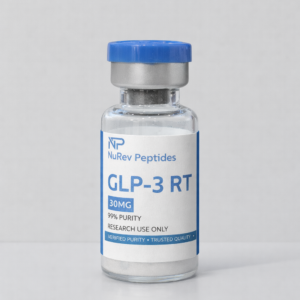

Triple agonist GLP-1 GIP Glucagon vs Dual agonist GLP-1 GIP
Triple agonist vs dual agonist therapies compare treatments that target GLP-1, GIP, and glucagon receptors with those that target only GLP-1 and GIP. Understanding how these approaches differ in metabolic effects, appetite regulation, and clinical outcomes is essential when evaluating modern peptide-based weight management strategies.

Incretin-based therapies have transformed diabetes management by leveraging the body’s physiological processes to enhance insulin secretion and regulate blood glucose levels. The incretin hormones, glucagon-like peptide-1 (GLP-1) and glucose-dependent insulinotropic polypeptide (GIP), play pivotal roles in this regard.
Mechanisms of GLP-1 and GIP
GLP-1 and GIP are incretin hormones released in response to nutrient intake, enhancing insulin secretion from the pancreas. GLP-1 also slows gastric emptying and promotes satiety, contributing to weight loss. While GIP primarily enhances insulin secretion, its role in lipid metabolism and fat accumulation is under investigation.
Role of GLP-1 in Metabolic Regulation
GLP-1 is known for its multifaceted role in metabolic regulation, extending beyond insulin secretion. It has been shown to influence pancreatic beta-cell proliferation, potentially aiding in the preservation of insulin-producing cells over time. Moreover, GLP-1’s effect on reducing appetite and promoting satiety can significantly contribute to weight management, which is a critical aspect of type 2 diabetes care.
GIP’s Emerging Role in Lipid Metabolism
Recent studies suggest that GIP may have a more complex role in lipid metabolism than previously thought. Its involvement in adipocyte function and lipid accumulation is being explored, with potential implications for addressing obesity-related insulin resistance. Understanding GIP’s dual role could pave the way for more targeted therapeutic strategies.
Synergistic Effects of GLP-1 and GIP
The combination of GLP-1 and GIP agonism can produce synergistic effects, leading to enhanced glycemic control. This synergy may result from their complementary actions on insulin secretion and appetite regulation, offering a more robust therapeutic approach for individuals with diabetes.
The Addition of Glucagon
Glucagon, traditionally known for its role in increasing blood glucose levels, has recently been revisited for its potential benefits in diabetes management. When combined with GLP-1 and GIP, glucagon can enhance energy expenditure and fat oxidation, providing a comprehensive approach to metabolic control.
Glucagon’s Role in Energy Homeostasis
Glucagon plays a crucial role in maintaining energy homeostasis, particularly during fasting states. Its ability to stimulate hepatic glucose production ensures a steady supply of glucose to the brain and other vital organs. This aspect of glucagon’s function can be harnessed to achieve better metabolic balance in diabetes management.
Potential Benefits of Glucagon Receptor Agonism
Activating glucagon receptors alongside GLP-1 and GIP offers a novel approach to enhance energy expenditure and promote weight loss. By increasing fat oxidation, this combination can help address obesity, a common comorbidity in type 2 diabetes. This multifaceted approach may lead to improved overall metabolic outcomes.
Challenges in Integrating Glucagon
Despite its potential benefits, the integration of glucagon in treatment regimens requires careful consideration. Balancing its glucose-raising effects with its metabolic benefits is crucial to avoid adverse outcomes. Ongoing research is needed to refine dosing strategies and optimize the therapeutic potential of glucagon receptor agonists.
Triple Agonist: A Holistic Approach

The triple agonist approach simultaneously targets GLP-1, GIP, and glucagon receptors, potentially offering a more holistic treatment for diabetes and obesity. This combination addresses multiple pathways involved in glucose homeostasis and energy balance.
Efficacy and Benefits
- Enhanced Glycemic Control: By activating three receptors, triple agonists may offer superior glycemic control compared to dual agonists. The synergistic effect can lead to improved insulin secretion, reduced postprandial glucose levels, and better overall metabolic outcomes.
- Weight Management: The inclusion of glucagon receptor agonism promotes weight loss through increased energy expenditure and reduced appetite. This is particularly beneficial for patients with type 2 diabetes who struggle with obesity.
- Cardiovascular Benefits: Preliminary studies suggest potential cardiovascular benefits, including improved lipid profiles and reduced cardiovascular risk factors, although more research is needed to confirm these effects.
Enhanced Glycemic Control
Triple agonists provide a comprehensive approach to glycemic management by targeting multiple pathways. This multifaceted action can result in more stable blood sugar levels and reduce the risk of hypoglycemic episodes. Patients may experience fewer fluctuations in glucose levels, leading to improved quality of life.
Weight Management and Metabolic Benefits
The weight loss benefits of triple agonists are significant, particularly for individuals with obesity-related insulin resistance. By enhancing energy expenditure and reducing appetite, these treatments address the root causes of metabolic dysfunction. This holistic approach can lead to sustained weight loss and improved insulin sensitivity.
Cardiovascular Benefits and Long-term Health
The cardiovascular benefits of triple agonists are an exciting area of research. By improving lipid profiles and reducing inflammation, these therapies may lower the risk of cardiovascular events. As diabetes is a major risk factor for heart disease, these potential benefits are crucial for long-term patient outcomes.
Challenges and Considerations
While promising, triple agonists are not without challenges. The complexity of their action requires careful dose titration and monitoring to avoid adverse effects such as hypoglycemia. Additionally, long-term safety and efficacy studies are essential to fully understand their therapeutic potential.
Dosing and Monitoring Challenges
The intricate action of triple agonists necessitates precise dosing and vigilant monitoring. Patients and healthcare providers must work closely to adjust doses based on individual responses and potential side effects. This complexity can pose challenges in clinical practice, requiring thorough patient education and support.
Safety Concerns and Risk Management
Ensuring patient safety is paramount when using triple agonists. Potential side effects, such as nausea and hypoglycemia, must be managed effectively. Long-term safety data is still emerging, and ongoing surveillance is needed to identify any rare adverse events that may arise with widespread use.
Long-term Efficacy and Patient Adherence
Sustaining the long-term efficacy of triple agonists relies on patient adherence and engagement. As with any chronic condition, maintaining motivation and adherence to treatment can be challenging. Healthcare providers play a vital role in supporting patients and addressing any barriers to continued use.
Dual Agonist: Focused and Effective
Dual agonists, targeting GLP-1 and GIP receptors, are well-established in the treatment landscape. They offer a focused approach that has proven effective for many patients.
Efficacy and Benefits
- Proven Glycemic Control: Dual agonists have consistently demonstrated their ability to lower HbA1c levels and improve glycemic control. Their efficacy in promoting insulin secretion and reducing glucagon levels is well-documented.
- Weight Reduction: By enhancing satiety and slowing gastric emptying, dual agonists aid in weight loss, which is a critical component of type 2 diabetes management.
- Safety Profile: With extensive clinical experience, dual agonists have a well-characterized safety profile, making them a reliable option for many patients.
Proven Glycemic Control
Dual agonists have a strong track record in improving glycemic control. Their ability to lower HbA1c levels is supported by extensive clinical data, making them a trusted choice for managing diabetes. This proven efficacy provides reassurance to both patients and healthcare providers.
Weight Reduction and Metabolic Improvements
The weight reduction achieved with dual agonists is an important aspect of their therapeutic effect. By promoting satiety and reducing food intake, these treatments help patients achieve and maintain a healthy weight. This, in turn, enhances insulin sensitivity and metabolic outcomes.
Safety Profile and Patient Confidence
The well-established safety profile of dual agonists is a key advantage. With years of clinical use, these therapies have demonstrated their reliability and tolerability. Patients can feel confident in their treatment plan, knowing that the risks are well-understood and manageable.
Challenges and Limitations
Despite their benefits, dual agonists may not address all metabolic abnormalities, particularly in patients with complex pathophysiology involving multiple dysregulated pathways. Additionally, their impact on cardiovascular outcomes is still under investigation.
Addressing Complex Metabolic Pathways
While dual agonists are effective, they may not fully address the complexities of metabolic dysfunction in all patients. Individuals with multiple dysregulated pathways may require additional interventions to achieve optimal outcomes. Tailoring treatment to individual needs is essential for success.
Cardiovascular Outcomes and Research Gaps
The impact of dual agonists on cardiovascular outcomes remains an area of active research. While preliminary data is promising, further studies are needed to confirm their benefits. Understanding these effects will help refine treatment strategies and maximize patient benefits.
Integration into Broader Treatment Plans
Dual agonists are just one component of a comprehensive diabetes management plan. Integrating them with lifestyle modifications and other therapies is crucial for achieving the best outcomes. Healthcare providers must consider the broader context of each patient’s treatment plan.
Comparative Analysis

by Mitchel Willem Jacob Anneveldt (https://unsplash.com/@mitchelanneveldt)
When comparing triple and dual agonists, several factors come into play:
Glycemic Control and Weight Management
Triple agonists may offer more comprehensive metabolic improvements, but dual agonists provide robust glycemic control with fewer complexities in dosing and monitoring.
Comprehensive Metabolic Improvements with Triple Agonists
Triple agonists have the potential to address a broader range of metabolic issues, offering a more holistic treatment approach. By targeting multiple pathways, they can provide significant improvements in glycemic control and weight management, particularly for patients with complex metabolic needs.
Robust Glycemic Control with Dual Agonists
Dual agonists remain a reliable choice for achieving robust glycemic control. Their focused mechanism of action allows for predictable outcomes and ease of use. For many patients, dual agonists offer a straightforward and effective solution for managing diabetes.
Balancing Complexity and Simplicity
Choosing between triple and dual agonists involves balancing the potential benefits with the complexity of treatment. While triple agonists offer broader metabolic improvements, they require careful management. Dual agonists, with their simplicity and proven track record, remain an attractive option for many.
Safety and Tolerability
Dual agonists have a longer track record of safety, though emerging data on triple agonists is promising. Understanding individual patient needs and medical history is crucial in choosing the appropriate therapy.
Established Safety of Dual Agonists
The long-standing use of dual agonists provides a wealth of safety data, offering reassurance to both patients and providers. Their predictable side effect profile and tolerability make them a preferred choice for many, especially those new to incretin-based therapies.
Promising Data on Triple Agonists
Emerging data on triple agonists is encouraging, highlighting their potential as a safe and effective treatment option. Ongoing research and clinical trials will continue to inform their safety profile, ensuring that healthcare providers can make informed decisions.
Individualized Treatment Considerations
Selecting the right therapy requires a personalized approach, taking into account each patient’s unique medical history and treatment goals. Collaborating with healthcare providers to tailor treatment plans ensures that patients receive the most appropriate and effective care.
Personalized Medicine
The choice between triple and dual agonists should be guided by a personalized approach, considering factors such as patient comorbidities, treatment goals, and potential side effects. Collaborating with healthcare providers to tailor treatment plans ensures optimal outcomes.
Tailoring Treatment to Patient Needs
Personalized medicine emphasizes the importance of tailoring treatment plans to individual patient needs. Factors such as comorbidities, lifestyle, and treatment goals should guide therapy selection, ensuring that patients receive the most suitable and effective care.
Collaboration with Healthcare Providers
Effective diabetes management relies on collaboration between patients and healthcare providers. By working together, they can develop treatment plans that address the specific challenges and opportunities each patient faces, leading to improved outcomes and quality of life.
Empowering Patients through Education
Empowering patients with knowledge about their treatment options is crucial for informed decision-making. Educating patients about the benefits and risks of different therapies helps them actively participate in their care and make choices that align with their health goals.
Future Directions in Diabetes Treatment
The landscape of diabetes treatment is rapidly evolving, with ongoing research into novel agonists and combination therapies. The integration of personalized medicine and advanced pharmacogenomics holds promise for more targeted and effective interventions.
Research and Development
Continued research is essential to fully elucidate the long-term benefits and risks of triple agonists. Large-scale clinical trials will help solidify their place in diabetes treatment regimens.
Ongoing Clinical Trials and Innovations
Clinical trials play a critical role in advancing our understanding of diabetes treatments. Ongoing studies are exploring new agonists and combination therapies, aiming to enhance efficacy and safety. These innovations hold promise for expanding the range of available treatment options.
Addressing Unmet Needs in Diabetes Care
Identifying and addressing unmet needs in diabetes care is a priority for researchers. By focusing on areas such as cardiovascular health and weight management, new therapies can provide comprehensive solutions that improve patient outcomes and quality of life.
Future Directions in Pharmacogenomics
Advancements in pharmacogenomics are paving the way for more personalized diabetes treatments. By understanding genetic variations that affect drug response, researchers can develop targeted therapies that optimize efficacy and minimize side effects, leading to more individualized care.
Implications for Clinical Practice
Healthcare providers must stay informed about the latest developments in incretin-based therapies to make evidence-based decisions that enhance patient care. As new data emerges, guidelines will likely evolve to incorporate these innovative treatments.
Integrating New Evidence into Practice
Staying current with the latest research is essential for healthcare providers to deliver the best possible care. Integrating new evidence into clinical practice ensures that patients benefit from the most recent advancements in diabetes treatment, improving outcomes and quality of life.
Adapting Guidelines to Reflect New Therapies
As research progresses, clinical guidelines will evolve to reflect new treatment options and strategies. Healthcare providers must be prepared to adapt their practices to incorporate these changes, ensuring that patients receive the most effective and up-to-date care.
Educating Healthcare Professionals
Ongoing education for healthcare professionals is critical to maintaining high standards of care. By staying informed about new developments in diabetes treatment, providers can make informed decisions and offer patients the most appropriate and effective therapies available.
Conclusion
The debate between triple and dual agonists reflects the broader challenge of optimizing diabetes management in a diverse patient population. Both approaches offer unique advantages, and their efficacy depends on individual patient characteristics and clinical goals. As the field advances, the ultimate aim is to provide safe, effective, and personalized treatments that improve quality of life for individuals with diabetes. Through ongoing research and innovation, the future of diabetes care looks promising, with incretin-based therapies at the forefront of this transformation.
Balancing Efficacy and Individual Needs
Choosing between triple and dual agonists involves balancing efficacy with individual patient needs. Both options have distinct advantages, and the choice should be guided by a thorough understanding of each patient’s medical history and treatment goals.
The Role of Innovation in Diabetes Care
Innovation is driving progress in diabetes care, offering new hope for patients and healthcare providers. As research continues to uncover new therapies and strategies, the potential to improve outcomes and quality of life for individuals with diabetes grows.
Looking Ahead to a Promising Future
The future of diabetes care is bright, with incretin-based therapies leading the way. As research and innovation continue to evolve, patients can look forward to more effective, personalized treatments that enhance their health and well-being.