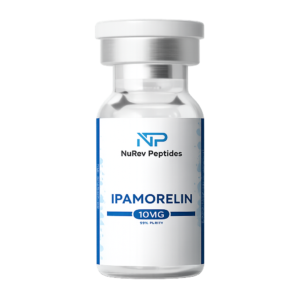
Ipamorelin: A Complete Guide to This Selective Growth Hormone Secretagogue
Ipamorelin has emerged as one of the most discussed peptides in modern functional medicine. If you’ve been researching ways to optimize recovery, improve sleep, or support body composition, you’ve likely come across this compound. Here’s what you need to know about how it works, what the research shows, and whether it might fit into your health plan.
Quick Overview of Ipamorelin
Ipamorelin is a synthetic growth hormone releasing peptide first described in a landmark 1998 study published in the European Journal of Endocrinology. Researchers identified it as the inaugural selective growth hormone secretagogue—meaning it stimulates the body to release growth hormone without significantly raising cortisol or ACTH levels. This selectivity set it apart from earlier peptides like GHRP-6, which provoked broader hormonal responses.
Today, ipamorelin therapy is used off label under medical supervision for goals including faster recovery, better sleep, improved body composition, and healthy aging support. It’s not the same as taking synthetic HGH; rather, it amplifies your body’s own natural growth hormone production through pulsatile secretion patterns.
What Is Ipamorelin?
Ipamorelin is a synthetic pentapeptide classified as both a growth hormone releasing peptide and growth hormone secretagogue. Developed in the 1990s, it was engineered as a more selective alternative to older GHRPs through specific chemical modifications.
The peptide works by binding to the ghrelin receptor (GHS-R1a) located in the pituitary gland and hypothalamus. When ipamorelin acts on these receptors, it stimulates GH release from the anterior pituitary—amplifying your body’s existing hormone pulses rather than introducing external hormone.
Chemically, ipamorelin differs from earlier peptides like GHRP-1 by lacking the central Ala-Trp dipeptide. This structural change accounts for its higher selectivity for GH over other pituitary hormones. Research by Raun K, Hansen BS, and colleagues established these properties through extensive pharmaceutical research in both animal and human models.
It’s worth noting that ipamorelin remains non-FDA-approved for anti-aging, fat loss, or performance applications in most jurisdictions. Clinicians experienced with peptide therapies prescribe it off label based on individual patient assessments.
How Ipamorelin Works (Mechanism of Action)
Growth hormone secretion follows a pulsatile pattern orchestrated by your hypothalamus and pituitary. Three main players regulate this: growth hormone releasing hormone stimulates release, somatostatin inhibits it, and ghrelin amplifies pulses. The largest GH surges typically occur during deep sleep.
Ipamorelin mimics ghrelin by acting as a GHRP receptor agonist at the GHS-R1a receptor. This triggers intracellular signaling cascades that increase calcium influx in somatotroph cells, ultimately promoting GH exocytosis. The peptide stimulates GH release effectively—studies show an EC50 of 1.3±0.4 nmol/L in rat pituitary cells, mirroring what’s seen with modern peptide drug development processes.
What makes ipamorelin distinctive is what it doesn’t do. Unlike GHRP-2 or GHRP-6, it produces minimal effects on ACTH, cortisol, FSH, LH, TSH, or prolactin at therapeutic doses. Research by Andersen PH, Ankersen M, and Madsen K demonstrated this selectivity persists even at doses exceeding the ED50 by over 200-fold.
The elevated GH indirectly increases circulating IGF-1 via liver metabolism, supporting muscle, bone, and connective tissue health. Clinicians often time administration before sleep to align with natural nocturnal GH peaks, maximizing efficacy while preserving physiological rhythms.

Evidence and Research Background
The foundational 1998 publication in the European Journal of Endocrinology established ipamorelin as the “first selective growth hormone secretagogue.” Key findings demonstrated strong GH-releasing efficacy in primary rat pituitary cells, anesthetized rats (ED50 80±42 nmol/kg), and conscious swine (ED50 2.3±0.03 nmol/kg)—all with minimal impact on stress hormones.
Comparative evaluations showed ipamorelin’s GH-stimulating potency matched GHRP-6 (Emax 1545±250 ng/mL in rats) while producing negligible ACTH or cortisol elevation. This profile propelled it toward clinical candidacy, including Phase II trials for postoperative ileus sponsored by Helsinn Therapeutics.
A 1999 human pharmacokinetic study with 40 participants validated dose-dependent GH secretion peaking within 60 minutes of administration. The half-life approximates two hours, allowing precise dosing control.
However, large-scale outcome trials examining hard endpoints—mortality, cancer risk, cardiovascular events—remain limited. Much current clinical application extrapolates from mechanistic data and smaller studies. This evidence gap means applications for longevity, performance, or body composition qualify as off-label, requiring careful interpretation alongside promising preliminary findings.
Key Benefits Associated With Ipamorelin Therapy
Individual responses vary significantly based on baseline GH levels, lifestyle adherence, and existing health conditions. Benefits reported in clinical practice and small studies include:
| Benefit Category | Typical Timeline | Notes |
|---|---|---|
| Sleep quality | 1-3 weeks | Deeper slow-wave sleep with evening dosing |
| Recovery from exercise/injury | 1-3 weeks | Enhanced tissue repair via IGF-1 |
| Lean muscle mass | 4-12 weeks | 2-5% gains when paired with resistance training |
| Fat loss | 8-12 weeks | 1-3% body fat reduction, especially visceral |
| Energy and well-being | 2-4 weeks | Subjective improvements common |
| The mechanisms driving these outcomes center on GH and IGF-1’s effects on protein synthesis, fat metabolism, collagen production, and cellular repair. Some patients report secondary benefits including joint comfort, improved skin elasticity, and better stamina during workouts. |
Critically, ipamorelin works best within comprehensive protocols that include adequate protein intake (1.6-2.2 g/kg), progressive resistance training, and quality sleep. It’s a tool that amplifies good habits—not a replacement for them.

Ipamorelin vs. Other Growth Hormone Secretagogues
Several peptide classes can enhance GH release. Understanding their differences helps inform selection:
Ipamorelin vs. Sermorelin:
- Sermorelin is a synthetic analog of growth hormone releasing hormone; ipamorelin targets the ghrelin receptor
- Sermorelin stimulates via GHRH-R; ipamorelin via GHS-R1a
- Clinicians sometimes combine both for complementary stimulation, achieving 5-10x baseline GH elevation
Ipamorelin vs. Tesamorelin:
- Tesamorelin holds FDA approval for HIV-associated lipodystrophy with robust data showing 15-20% visceral fat reduction
- Ipamorelin lacks equivalent approval; body composition data remain more preliminary
- Tesamorelin may carry higher immunogenicity risk
Ipamorelin vs. Older GHRPs:
- GHRP-2 and GHRP-6 effectively stimulate GH but raise cortisol and prolactin substantially (30-50% increases)
- GHRP-6 triggers significant appetite stimulation
- Ipamorelin maintains selectivity without these hormonal disruptions
Combination protocols like CJC-1295 plus ipamorelin leverage ipamorelin’s rapid pulse initiation with CJC-1295’s extended half-life (6-8 days) for sustained IGF-1 elevation. No single agent suits everyone—selection depends on goals, medical history, and practitioner expertise.
Typical Protocols and What to Expect
Administration involves subcutaneous injection into abdominal fat using insulin syringes. Standard protocols range from 100-300 mcg per dose, typically once or twice daily—often in the evening to align with nocturnal GH peaks.
Common protocol structure:
- Cycle length: 8-12 weeks
- Breaks: 4-8 weeks between cycles
- Dosing: Often starts at 100-200 mcg, adjusted based on IGF-1 levels and response
- Combinations: Frequently paired with CJC-1295 (100-200 mcg), especially in settings that prioritize third-party-tested research peptides
Realistic expectation timeline:
Weeks 1-3: Changes in sleep depth, better recovery between workouts, subtle energy improvements
Weeks 4-8: Gradual body composition shifts—reduced fat, improved muscle fullness—when combined with proper nutrition and training
Beyond 3 months: More pronounced physique changes, strength improvements (5-10%), enhanced vascularity for adherent patients
Monitoring typically includes IGF-1 testing every 4-6 weeks (target range often 150-250 ng/mL), body composition assessment, and symptom tracking.
Who May Be a Candidate for Ipamorelin?
Typical candidates include:
- Adults over 35-40 experiencing age-related declines in muscle mass, recovery, or sleep quality
- Athletes and high-performers seeking optimized training capacity under medical supervision, who may also encounter a wide range of research peptide options
- Individuals pursuing body recomposition as part of structured lifestyle interventions
Responsible programs require comprehensive intake evaluations, baseline labs (IGF-1, fasting glucose, lipids, liver function, thyroid markers), and clear goal-setting before initiating treatment.
Common exclusions:
- Active cancer or recent malignancy history (GH/IGF-1 carry theoretical mitogenic risks)
- Uncontrolled diabetes or severe endocrine disorders
- Pregnancy or breastfeeding
- Patients unable to commit to regular monitoring
Decisions remain individualized, with clinicians weighing cardiovascular risk factors, metabolic markers, current medications, and oncologic history before prescribing any growth hormone secretagogue.
Safety, Side Effects, and Precautions
While ipamorelin demonstrates superior tolerability compared with older peptides or exogenous human growth hormone, any hormone-modulating therapy requires qualified supervision.
Common mild effects (<20% incidence):
- Temporary fatigue or sleepiness post-dose
- Mild headache or flushing
- Injection site reactions (redness, itching)
- Slight appetite increase or joint stiffness
Rare but serious concerns:
- Theoretical acceleration of undiagnosed malignancy via growth signaling
- Fluid retention or blood pressure changes in susceptible individuals
- Glucose metabolism alterations (fasting insulin rises <10% in healthy subjects)
Critical safety practices include starting conservatively, monitoring labs regularly, and stopping immediately if concerning symptoms develop (severe edema, vision changes, chest pain).
Avoid “research-grade” peptides from unregulated online sources. These lack purity verification (some contain >5% impurities or endotoxins) and sterility assurance, and proper age-verified research-only suppliers are not a substitute for prescription-grade products in clinical use. If you are a researcher sourcing experimental compounds such as retatrutide, follow strict guidance on where to buy retatrutide for research purposes to ensure appropriate quality controls. Legitimate ipamorelin should come via prescription from licensed clinicians using accredited 503B compounding pharmacies.
Legal and Regulatory Status
As of 2024-2026, ipamorelin holds no FDA approval in the United States for anti-aging, athletic performance, or body composition applications. Such uses are prescribed off label by clinicians experienced with peptide therapies.
Key distinctions:
- Pharmaceutical-grade: Compounded under strict quality standards by licensed pharmacies, available via prescription
- Research-grade: Labeled for laboratory use only, without sterility or purity guarantees, not intended for human administration, even when studying repair-focused blends like BPC 157 and TB-500 combinations
Regulations vary internationally—the peptide maintains investigational status for certain applications in Europe. Readers should verify local rules regarding prescription, compounding, and marketing of peptide therapies in their jurisdiction.
Practical Considerations and Next Steps
Before considering ipamorelin, optimize foundational health factors that drive 50-70% of GH response:
- Sleep: 7-9 hours of quality rest nightly
- Training: Progressive resistance exercise 3-5 times weekly
- Nutrition: Adequate protein (1.6+ g/kg), whole foods emphasis
- Stress: Management through structured recovery practices
When consulting clinicians, ask:
- “How will we monitor my response and safety over time?”
- “What alternatives exist if ipamorelin isn’t appropriate for me?”
- “How do we decide when to pause or discontinue treatment?”
View ipamorelin as one tool within a broader health optimization strategy—not a substitute for consistent lifestyle habits. Work with practitioners who maintain transparency about sourcing, regulatory compliance, and realistic outcome expectations. The goal isn’t dependence on peptides but sustainable vitality built on informed, individualized protocols.