Peptides and Their Powerful Roles in Skin, Fitness, and Overall Health
Peptides are everywhere in wellness conversations right now—from collagen peptide supplements lining store shelves to peptide serums promising smoother skin. But what exactly are these compounds, and do they live up to the hype? This guide breaks down everything you need to know about peptides and their applications across skincare, fitness, bone health, and beyond.
Peptides and the Basics: What They Are and Why They Matter
Peptides are short chains of amino acids—typically between two amino acids and fifty—linked together by peptide bonds. Think of them as the smaller cousins of proteins. While proteins contain hundreds or thousands of amino acids folded into complex structures, peptides are more compact strings of amino acids that serve as messengers, building blocks, and active agents throughout the human body.
Here’s what makes peptides distinct from other compounds:
- Versus proteins: Proteins are long, complex chains (usually 100+ amino acids) with three-dimensional folding. Peptides are shorter, simpler, and often act as signaling molecules rather than structural components.
- Versus steroid hormones: Steroids like testosterone and cortisol are lipid-based ring structures. Peptide hormones like insulin are water-soluble chains of amino acids with completely different mechanisms and risk profiles.
- Scale of discovery: Researchers have identified more than 7,000 natural human peptides as of 2024, with new ones continually being characterized.
Peptides serve several critical functions:
- Hormonal regulation: Insulin, a 51-amino-acid peptide, regulates blood sugar. Gonadotropin releasing hormone controls reproductive function.
- Signaling molecules: Signal peptides tell cells what to do—stimulating collagen production, triggering immune responses, or influencing metabolic processes.
- Antimicrobial defense: Antimicrobial peptides like defensins help protect against bacterial, viral, and fungal invaders.
- Structural support: Collagen peptides contribute to connective tissues, skin elasticity, and joint health.
Everyday examples include insulin for diabetes management, collagen peptides in protein powders and dietary supplements, copper peptides in anti aging serums, and therapeutic peptides like semaglutide (FDA-approved for weight management). Over 80 peptide drugs have received FDA approval, generating more than $60 billion in annual revenue as of 2024.
The sections ahead cover the main application areas: skin and anti-aging, hair and nails, muscle growth and weight management, bone health, hormones, chronic conditions, and practical guidance for choosing what’s worth trying.

Peptides and Skin: Anti-Aging, Barrier Support, and Wound Healing
Dermatology and cosmetic science have embraced peptides as key players in anti aging and skin repair. Unlike harsh chemical treatments, many peptides work by mimicking natural signals that prompt skin cells to behave like younger versions of themselves.
The appeal is straightforward: peptides can cross the skin barrier more easily than full proteins, delivering targeted messages to fibroblasts (the cells that produce collagen and elastin) without requiring invasive procedures.
Signal peptides are among the most researched for skin health:
- Palmitoyl tripeptide-1 and palmitoyl hexapeptide-12 prompt fibroblasts to ramp up collagen production and elastin production
- These compounds help improve skin firmness and reduce the appearance of fine lines over 8-12 weeks of consistent use
- Palmitoyl pentapeptide-4 (Matrixyl) has shown up to 20% wrinkle reduction in topical studies
Carrier peptides deliver essential minerals to skin cells:
- Copper peptides (GHK-Cu) transport copper ions that support collagen synthesis, antioxidant defense, and wound healing properties
- GHK-Cu has demonstrated faster tissue repair in clinical settings, making it popular in post-procedure skincare
- These peptides also exhibit anti inflammatory effects that help calm irritated skin
Antimicrobial peptides (AMPs) play a role in skin defense:
- The skin naturally produces AMPs as part of its immune system response
- Imbalances in AMP levels are linked to chronic inflammatory skin diseases including acne, eczema, and rosacea
- Some skincare formulations include synthetic peptides designed to restore this balance and address inflammatory skin conditions
Other peptides in topical products include:
- Neuropeptides that relax expression lines (similar to botulinum toxin but gentler)
- Enzyme inhibitor peptides that slow collagen breakdown by blocking matrix metalloproteinases
Common product formats include peptide serum formulations, eye creams, neck creams, and overnight masks. These work best as part of a consistent routine rather than occasional use.
Peptides and Other Skincare Ingredients
Incorporating peptides into your routine doesn’t mean abandoning other actives. Here’s how to combine them effectively:
Safe combinations:
- Vitamin C serums can be layered with peptides for brightening and collagen support
- Niacinamide pairs well with peptides for skin barrier repair
- Hyaluronic acid complements peptides by providing hydration while peptides work on deeper structural changes
Application order (morning):
- Cleanse → Vitamin C serum → Peptide serum → Moisturizer → SPF
Application order (evening):
- Cleanse → Retinol (if tolerated) → Wait 20-30 minutes → Peptide moisturizer
Combinations to avoid or time carefully:
- High concentrations of alpha-hydroxy acids (glycolic, lactic) may destabilize certain peptides if applied simultaneously
- Beta-hydroxy acids (salicylic acid) can similarly interfere—use at different times of day
- Very low pH products (below 3.5) may denature peptide structures before they can penetrate
When in doubt, apply acids in the morning and peptides at night, or alternate days for best results.

Peptides and Hair, Nails, and Scalp Health
The same collagen peptides and copper peptides used for improve skin health are increasingly studied for hair and nail applications. The logic is consistent: supporting the protein structures that form hair follicles and nail beds may strengthen these tissues from within.
Topical scalp applications:
- GHK-Cu (copper peptides) appear in scalp serums designed to improve blood flow and reduce inflammation at the follicle level
- Tripeptide complexes may help extend the growth phase of hair cycles, potentially reducing shedding
- Some prescription-only or clinic-dispensed peptide serums are used alongside minoxidil for pattern hair loss
Oral collagen peptide supplements:
- Bovine and marine collagen peptides (typically in powder form) have been studied for nail brittleness and hair fullness
- Most studies showing positive results used 3-6 month supplementation periods
- Dosages in research typically range from 2.5g to 15g daily
What the evidence shows:
- Hair thickness improvements appear modest but measurable in some trials
- Nail strength and growth rate improvements are more consistently documented
- Results require patience—visible changes may take three amino acids months or longer to become apparent
Evidence for peptides and hair regrowth is promising but still evolving. Manage expectations: peptides are supportive therapies, not miracle cures for significant hair loss.
Mechanisms being studied include:
- Improved blood flow to hair follicles
- Anti-inflammatory action reducing follicle damage
- Direct support for keratin and collagen structures in hair and nails
- Potential interactions with growth factors at the cellular level
Peptides and Muscle Growth, Fat Loss, and Fitness
Peptides help build the proteins needed for muscle fibers, connective tissues, and enzymes involved in energy metabolism. This makes them attractive to athletes, gym-goers, and anyone interested in body composition.
However, the peptide landscape in fitness is more complicated than supplement marketing suggests.
Over-the-counter peptide supplements:
- Collagen peptides are widely available and may support joint health and recovery
- Creatine peptides (creatine bound to amino acid derivatives) claim improved absorption
- These are generally legal, safe, and modest in their effects on muscle mass
Prescription and restricted peptides:
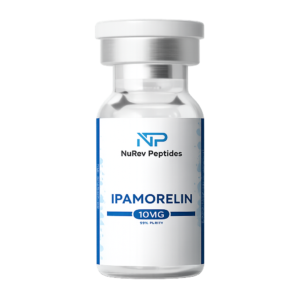
- Growth hormone secretagogues (GHS compounds like ipamorelin, sermorelin) stimulate the body’s own growth hormone production
- These require medical supervision and are not available legally without prescription in most countries
- BPC-157 and similar compounds remain in experimental stages with limited human data
WADA and legal considerations:
- Growth hormone-related peptides are banned by the World Anti-Doping Agency (WADA)
- Athletes in tested sports face suspension for using these compounds
- Even non-competitive users should understand the regulatory and health implications
Reality check on fat loss claims:
- High-quality clinical evidence supporting “peptides and rapid fat loss” in healthy people remains limited as of 2024
- Semaglutide and similar GLP-1 agonists show 15-20% body weight loss, but these are prescription medications for specific conditions
- For general fitness, lifestyle factors—training, sleep, nutrition—still dominate results
Injecting peptides without medical oversight carries real risks including infection, contamination, and unpredictable hormonal effects. If considering prescription peptides for fitness, work with a qualified physician.
Realistic expectations for fitness-focused peptides:
- Collagen supplements may aid recovery and joint comfort, not dramatic muscle building
- Prescription GHS peptides can support hypertrophy resistance exercise training outcomes but require monitoring
- No peptide replaces consistent training and proper nutrition

Peptides and Recovery from Injury and Joint Pain
Interest in peptides for injury recovery has surged, particularly around compounds like BPC-157 for tendon and ligament healing.
What the research shows:
- BPC-157 (Body Protection Compound) shows promising results in animal studies for tendon repair and gut healing
- Most data remain preclinical—human trials are limited and ongoing
- Mechanisms may involve growth factors, blood vessel formation, and reduced inflammation
Collagen peptides for joints:
- Oral collagen peptide supplementation has more robust human evidence for joint comfort
- Studies in older adults show improvements in osteoarthritis symptoms over 3-6 months
- Dosages typically range from 10-15g daily of hydrolyzed collagen
Injection-based approaches:
- Some clinics offer peptide injections for joint support as part of regenerative medicine
- These should only be administered under medical supervision
- Injections are typically part of broader rehabilitation plans including physical therapy
Most joint-related peptide research is early-stage. While the future looks promising, current evidence doesn’t support self-experimentation with research-grade peptides.
Peptides and Bones, Hormones, and Chronic Conditions
The relationship between peptides and bone health represents an active research frontier with some well-established clinical applications.
Bone health applications:
- Collagen peptide supplementation has shown improved bone mineral density in postmenopausal women over 12-24 months
- Teriparatide (a parathyroid hormone analogue) is FDA-approved for osteoporosis treatment
- C type natriuretic peptide research explores bone growth regulation
Hormone-related peptides:
- Kisspeptin-10 influences the hypothalamic-pituitary-gonadal axis, affecting testosterone and fertility
- Gonadorelin is used in medically supervised hormone optimization
- These require prescription and careful monitoring of the skeletal muscle proteome and endocrine markers
Established clinical uses (FDA-approved or well-studied):
- Teriparatide for severe osteoporosis
- GLP-1 agonists for type 2 diabetes and obesity
- Insulin and glucagon for diabetes management
- ACTH analogues for certain adrenal conditions
Experimental or off-label uses:
- Peptides for chronic inflammatory response syndrome (CIRS)
- Biologically active peptides for autoimmune conditions
- Neuroprotective peptides for neurodegenerative disorders
Readers with complex or chronic conditions should work with specialists experienced in peptide prescribing rather than self-experimenting with online products.
Chronic illness applications being studied:
- VIP (vasoactive intestinal peptide) for mold-related illness
- Thymosin peptides for immune modulation
- Food derived bioactive peptides for blood pressure regulation
Peptides and Brain Function
Research into nootropic and neuroprotective peptides has expanded, though most compounds remain experimental.
Peptides under investigation:
- Dihexa: Being studied for cognitive decline, particularly in Alzheimer’s research
- Selank: Investigated for anxiety and cognitive enhancement, more established in Russian research
- Semax: Another neuropeptide studied for stroke recovery and cognitive function
Proposed mechanisms:
- Anti-inflammatory effects reducing neuroinflammation
- Neurotrophic factors supporting brain cell health and connectivity
- Modulation of neurotransmitter systems affecting mood and memory
Current reality:
- Few of these peptides have mainstream approval in Western countries
- Human research remains limited compared to animal studies
- “Brain fog” and memory claims outpace current evidence
This area shows genuine scientific promise, but claims about cognitive function enhancement with peptides should be viewed cautiously until larger human trials are completed.
Peptides and Delivery: Supplements, Skincare, Injections, and Sprays
How you get peptides into your body matters significantly for their effectiveness.
Oral supplements (powders, capsules):
- Pros: Convenient, non-invasive, widely available
- Cons: Many peptides are broken down by the digestive system before absorption
- Best for: Collagen peptides, food derived bioactive peptides
- Typical dosing: 10-20g daily for collagen supplements
Topical skincare:
- Pros: Targeted application, minimal systemic effects, accessible
- Cons: Limited penetration depth, efficacy varies by formulation
- Best for: Skin health applications—wrinkle reduction, wound healing, anti aging
- Products: Serums, eye creams, neck creams, masks
Subcutaneous injections:
- Pros: High bioavailability, precise dosing
- Cons: Requires medical supervision, infection risk, discomfort
- Best for: Prescription peptide hormones, therapeutic peptides, growth hormone secretagogues
- Considerations: Must use pharmaceutical-grade products, not research chemicals
Nasal sprays:
- Pros: Bypasses digestive system, reasonable bioavailability
- Cons: Absorption variability, limited product availability
- Best for: Specific medical applications (e.g., VIP for CIRS under specialist care)
Over-the-counter options:
- Collagen peptide powders and protein powders
- Topical peptide serums and creams
- Oral peptide supplement capsules
Prescription/clinic-only options:
- Injectable growth hormone secretagogues
- Hormone-modulating peptides
- Experimental therapeutic compounds

Peptides and Stacking with Lifestyle
Peptides and lifestyle interventions work best together—not as replacements for each other.
Synergistic approaches:
- Taking collagen peptides alongside resistance training for muscle repair and joint support
- Combining peptide skincare with daily sunscreen for maximum skin health benefits
- Using peptide supplements during recovery phases of training programs
- Pairing oral peptides with adequate protein intake and sleep
What matters most:
- Nutrition: Adequate protein provides the amino acids peptides are made from
- Training: Hypertrophy resistance exercise training creates the stimulus peptides help respond to
- Sleep: Recovery and hormone optimization happen primarily during sleep
- Stress management: Chronic stress undermines peptide and hormone function
Without foundational lifestyle habits, peptide therapies typically deliver smaller or shorter-lived benefits. Think of peptides as amplifiers of good habits, not substitutes for them.
Peptides and Safety: Side Effects, Regulation, and Quality
Understanding safety considerations is essential before taking peptide supplements or considering prescription therapies.
Regulatory landscape:
- Over 100 FDA-approved peptide drugs exist, having undergone rigorous testing
- Cosmetic and supplement peptides are not pre-approved before sale
- “Research only” peptides sold online exist in a legal grey area
- 30% of online peptide products were mislabeled according to 2023 FDA audits
Common side effects by delivery route:
| Route | Common Side Effects |
|---|---|
| Topical | Skin irritation, breakouts, allergic reaction, redness |
| Oral | Digestive discomfort, bloating, nausea |
| Injection | Site redness, swelling, infection risk, bruising |
| Nasal | Nasal irritation, headache, absorption variability |
Hormonal and metabolic concerns:
- Growth hormone-related peptides can affect blood sugar regulation
- Endocrine-active peptides may cause mood changes, sleep disruption
- Long-term effects of many peptides remain understudied
- Some peptides carry 1-2% risk of hypersensitivity reactions
Quality and contamination risks:
- Grey-market peptides may contain impurities, wrong concentrations, or incorrect compounds
- “Research only” labels are used to avoid regulatory oversight
- Legitimate pharmaceutical peptides come with certificates of analysis
- Self-injecting peptides non-prescribed products carries serious infection and health risks
Groups requiring extra caution:
- Pregnant or breastfeeding individuals
- Those with cancer history (growth-promoting effects)
- People with autoimmune disease
- Anyone taking multiple prescription medications
- Individuals with diabetes or blood sugar regulation issues
Always consult with qualified healthcare professionals before starting peptide therapies, particularly injectable or hormone-related compounds.
Peptides and Steroids, Proteins, and Foods: Key Comparisons
Understanding where peptides fit among other compounds helps clarify their unique properties.
Peptides versus steroids:
- Peptides are chains of l amino acids joined by peptide bonds
- Steroids are lipid-based ring structures (testosterone, estrogen, cortisol)
- Different mechanisms: peptides typically work through receptors on the cell membrane; steroids often enter cells directly
- Different risk profiles: anabolic steroids carry liver, cardiovascular, and hormonal risks distinct from peptide concerns
- WADA bans both performance-enhancing peptides and anabolic steroids
Peptides versus proteins:
- Think of it as a hierarchy: one amino acid → dipeptides (two amino acids) → tripeptides (three amino acids) → tetrapeptides (four amino acids) → pentapeptides (five amino acids) → oligopeptides → polypeptides → proteins
- Analogy: amino acids are bricks, peptides are small wall sections, proteins are complete buildings
- Peptides often serve as signaling molecules; proteins often serve structural or enzymatic functions
- Additional amino acids beyond ~50-100 generally classify a chain as a protein
Peptides in foods:
- Protein-rich foods (dairy, eggs, meat, fish, soy) contain peptides
- Digestion releases bioactive peptides that may influence blood pressure, inflammation, and satiety
- Certain peptides like casein-derived fragments show ACE-inhibitory effects (blood pressure support)
- Food-based peptides are generally safer than isolated supplemental forms
Regulatory comparison:
- Peptide supplements: Loosely regulated as dietary supplements
- Prescription peptides: FDA-approved with clinical trial requirements
- Anabolic steroids: Controlled substances in most countries
- Peptide skincare: Regulated as cosmetics, not drugs
Peptides and You: How to Decide What’s Worth Trying
With so many different peptides and applications available, a systematic approach helps identify what might work for your goals.
Step 1: Clarify your goals
- “Peptides and skin firmness” → Start with topical peptide serums and collagen peptide supplementation
- “Peptides and joint comfort” → Consider oral collagen peptides (10-15g daily)
- “Peptides and muscle repair” → Collagen supplements plus adequate protein
- “Peptides and hormone optimization” → Requires medical consultation and testing
Step 2: Start with lower-risk options
- Topical peptide skincare for skin types seeking anti aging benefits
- Oral collagen peptides for joint, skin, and hair support
- Food-based peptide intake through quality protein sources
- Build muscle and support tissue repair with protein-rich nutrition
Step 3: Consider prescription therapies only with guidance
- Discuss cognitive function concerns with a neurologist
- Address hormone questions with an endocrinologist
- Explore certain peptides for chronic conditions with integrative medicine specialists
Vetting products and brands:
- Look for third-party testing and certificates of analysis
- Avoid “too good to be true” claims about popular peptides
- Check for transparent ingredient lists and sourcing information
- Be wary of peptide products sold as “research only” for human use
Realistic timelines:
| Goal | Expected Timeline |
|---|---|
| Visible skin changes | 8-12 weeks |
| Hair and nail improvements | 3-6 months |
| Joint comfort | 3-6 months |
| Bone density shifts | 6-24 months |
Final considerations:
- Many peptides require prescription medications status for good reason
- Health benefits from peptides complement—don’t replace—healthy lifestyle foundations
- The immune system, digestive system, and other body systems interact with peptides in complex ways
- Human health optimization is multifactorial; peptides are one tool among many
Peptides represent one of the most versatile and rapidly evolving areas in modern health science. From support collagen production in aging skin to promising applications in bone and hormone health, these short amino acid chains offer genuine potential backed by growing research. The key is approaching them with realistic expectations, evidence-based choices, and appropriate medical guidance when needed.
Whether you’re interested in healthy skin, build muscle goals, or managing chronic health challenges, start with well-studied options, give them adequate time to work, and consult qualified professionals before exploring prescription or injectable therapies. The peptide landscape will only expand from here—understanding the fundamentals now positions you to make informed decisions as new developments emerge.