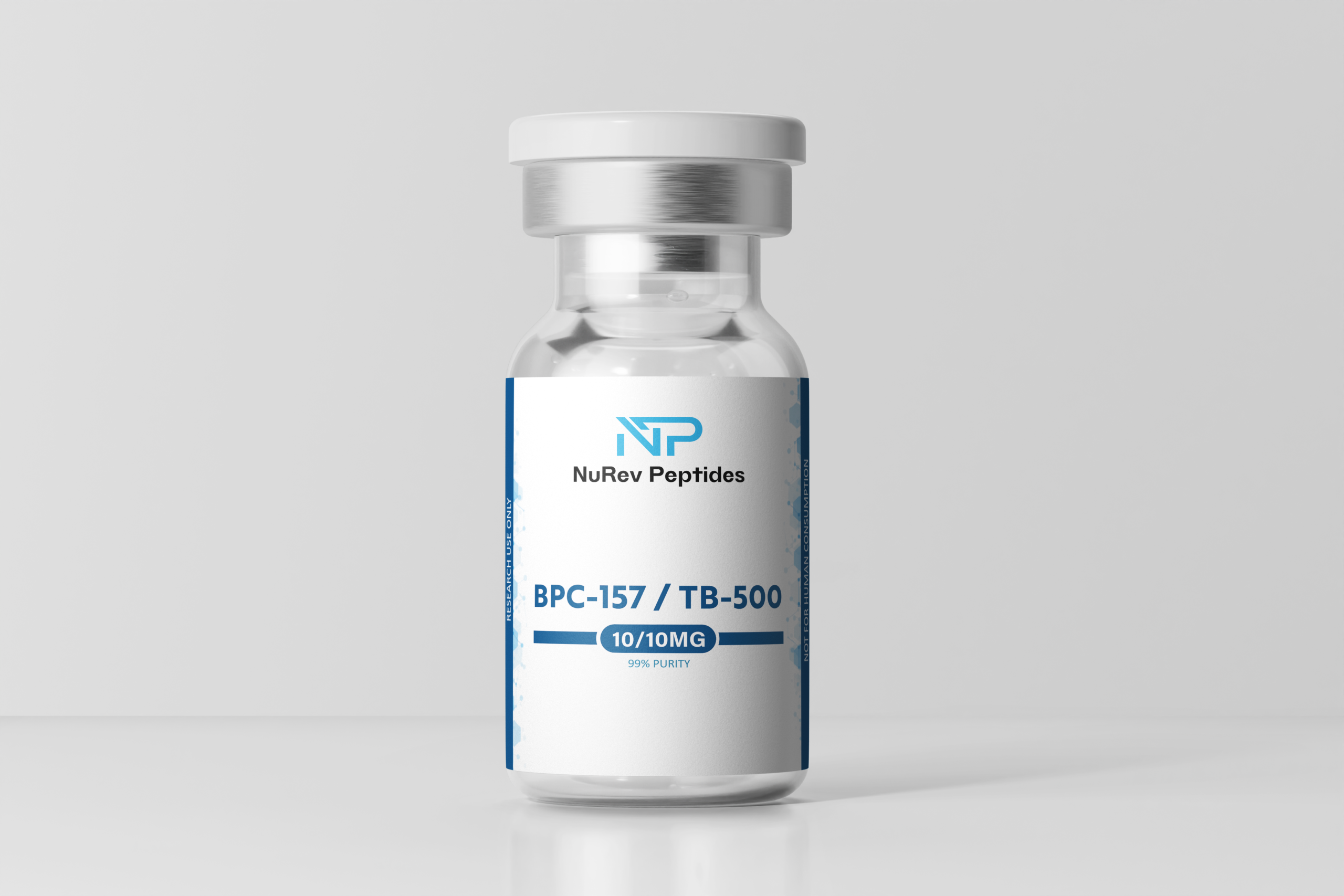
BPC-157 and TB-500 research has been widely discussed in scientific literature examining these peptides within laboratory and non-clinical study environments. This article provides an educational overview of BPC-157 and TB-500 research and how they are studied.
BPC-157 works by interacting with growth factors and increasing nitric oxide production to support tissue regeneration. TB-500 functions primarily by binding to actin proteins, which influences cell movement and may help progenitor cells reach injury sites. Research suggests these peptides may support healing in musculoskeletal injuries, wounds, and inflammatory conditions, though most evidence comes from animal studies and limited human trials.
Understanding how these peptides work and differ can help you make informed decisions about their potential applications. This guide examines the mechanisms, research findings, safety considerations, and practical aspects of both BPC-157 and TB-500 to give you a comprehensive overview of these recovery peptides.
Key Takeaways
- BPC-157 and TB-500 are research peptides studied for their potential tissue healing and anti-inflammatory properties
- The two peptides work through different mechanisms and may offer complementary benefits when used together
- Neither peptide is FDA-approved for human use, and safety data remains limited especially for BPC-157
Understanding Peptides and Peptide Therapy
Peptides are short chains of amino acids that serve as signaling molecules in your body, directing cellular functions ranging from tissue repair to immune response. Peptide therapy harnesses these natural compounds to support healing and regenerative processes.
What Are Peptides?
Peptides are molecules composed of 2 to 50 amino acids linked together by peptide bonds. Your body naturally produces thousands of different peptides that act as messengers between cells, triggering specific biological responses.
Unlike proteins, which contain longer amino acid chains, peptides are smaller and more easily absorbed by your tissues. This size difference allows peptides to penetrate cell membranes and interact directly with cellular receptors. When a peptide binds to its target receptor, it initiates a cascade of cellular events that can promote healing, reduce inflammation, or stimulate tissue regeneration.
Healing peptides work by mimicking or enhancing your body’s natural signaling pathways. Different peptides target specific functions—some promote blood vessel formation, others enhance cell migration, and some reduce inflammatory responses. The specificity of peptide action makes them valuable tools in regenerative medicine.
Basics of Peptide Therapy
Peptide therapy involves administering specific peptides to achieve targeted therapeutic outcomes. This approach has gained traction in regenerative medicine as a method to accelerate recovery from injuries, manage chronic conditions, and support tissue repair.
Peptide therapies typically involve subcutaneous or intramuscular injections, though some formulations are available as oral capsules or topical applications. The administration method affects absorption rates and bioavailability. Injectable peptides generally provide more predictable results because they bypass digestive degradation.
Treatment protocols vary based on the specific peptide, your health goals, and the condition being addressed. Some peptides require daily dosing due to short half-lives, while others remain active for several days. Your response to peptide therapy depends on factors including dosage accuracy, injection timing, and your individual physiology.
Peptides for healing work within your existing biological framework rather than introducing foreign substances. This characteristic distinguishes peptide therapy from many pharmaceutical interventions.
BPC-157: Properties, Mechanisms, and Benefits
BPC-157 is a synthetic pentadecapeptide that originated from a naturally occurring protein in human gastric juice, demonstrating stability across various biological environments and multiple mechanisms that influence tissue repair, vascular development, and inflammation control.
Origin and Structure of BPC-157
BPC-157, also known as Body Protection Compound-157, is a laboratory-created peptide consisting of 15 amino acids arranged in the sequence Gly-Glu-Pro-Pro-Pro-Gly-Lys-Pro-Ala-Asp-Asp-Ala-Gly-Leu-Val. Scientists derived this compound from a larger protective protein found in human gastric juice through systematic protein fractionation studies conducted in the 1990s.
The peptide exhibits remarkable chemical stability that sets it apart from many other therapeutic compounds. Unlike many peptides that break down rapidly in acidic environments, BPC-157 resists degradation by gastric acid and digestive enzymes. This stability allows it to remain active through multiple administration routes, including oral, subcutaneous, and intramuscular delivery.
Your body doesn’t naturally produce BPC-157 in this specific form. Instead, researchers isolated and stabilized this particular amino acid sequence to create a compound with enhanced therapeutic potential and bioavailability compared to the parent protein.
How BPC-157 Works in the Body
BPC-157 influences your body’s healing processes through several interconnected pathways. The peptide promotes angiogenesis by upregulating vascular endothelial growth factor (VEGF) expression, which stimulates endothelial cell proliferation and migration to form new blood vessels. This enhanced blood flow delivers oxygen and nutrients to damaged tissues more efficiently.
The compound modulates inflammation by inhibiting pro-inflammatory cytokine production and suppressing nuclear factor-kappa B signaling pathways. This anti-inflammatory action helps control excessive inflammatory responses that can delay healing or cause additional tissue damage.
BPC-157 enhances collagen synthesis and extracellular matrix remodeling, which are fundamental to tissue repair and regeneration. The peptide appears to influence growth hormone receptor signaling and increases expression of fibroblast growth factor and transforming growth factor-beta. These growth factors coordinate cellular activities necessary for proper wound closure and structural tissue restoration.
The peptide also affects nitric oxide synthase activity, which regulates vascular tone and tissue perfusion. This mechanism contributes to improved circulation in injured areas and supports the overall healing environment.
Key Benefits of BPC-157
Research indicates BPC-157 offers significant advantages for tendon repair and ligament repair, with studies showing improved tensile strength and collagen organization in damaged connective tissues. The peptide accelerates tendon healing while potentially reducing scar tissue formation, which translates to better functional outcomes during injury recovery.
For gut health and gastrointestinal healing, BPC-157 demonstrates protective and reparative effects on your digestive tract lining. The compound supports epithelial cell proliferation and restores tight junction integrity, making it relevant for conditions like leaky gut and inflammatory bowel issues. It provides gastroprotective benefits against ulceration caused by medications, alcohol, and stress.
Muscle healing and soft tissue healing represent additional therapeutic applications. BPC-157 may facilitate faster recovery from muscle strains by enhancing perfusion to injured tissues and modulating inflammatory responses. The peptide shows promise for joint pain and joint health through its anti-inflammatory properties and potential to support cartilage integrity.
The compound exhibits neuroprotective effects by influencing neurotransmitter systems, particularly dopaminergic and GABAergic pathways. This may contribute to nerve healing and neurological function support, though clinical evidence remains limited. BPC-157 also demonstrates antioxidant effects and promotes localized healing when administered directly to injury sites.
TB-500: Properties, Mechanisms, and Benefits
TB-500 is a synthetic peptide that replicates thymosin beta-4, a naturally occurring protein involved in cellular repair and regeneration. This compound influences actin sequestration, promotes angiogenesis, and facilitates tissue healing through multiple biological pathways.
Origin and Structure of TB-500
TB-500 is a synthetic analog of thymosin beta-4, a 43-amino acid polypeptide found naturally in your body’s tissues. Thymosin beta-4 exists in high concentrations within platelets, wound healing tissues, and macrophages, where it plays essential roles in cellular differentiation and tissue remodeling.
The synthetic TB-500 peptide maintains the functional properties of its natural counterpart while offering improved stability for therapeutic applications. Your body produces thymosin beta-4 in response to injury, making it a fundamental component of your natural healing processes. The peptide is highly conserved across species, indicating its critical biological importance in tissue maintenance and repair.
TB-500’s structure allows it to bind with high affinity to G-actin monomers, which directly influences your cellular architecture and migration capabilities. This molecular characteristic distinguishes the tb-500 peptide from other regenerative compounds and defines its primary mechanism of action.
How TB-500 Functions in the Body
TB-500 functions primarily through actin sequestration, binding to monomeric G-actin to prevent polymerization and promote cellular migration. This interaction modifies your cytoskeletal organization, enabling cells to move more effectively during tissue repair and regeneration processes.
The peptide promotes angiogenesis by stimulating endothelial cell migration, proliferation, and tube formation. TB-500 upregulates VEGF (vascular endothelial growth factor) expression and other angiogenic factors that facilitate blood vessel growth, which improves tissue perfusion and nutrient delivery to injured areas.
Your inflammatory response becomes modulated through TB-500’s influence on cytokine production profiles. The peptide shifts macrophage polarization from pro-inflammatory M1 phenotypes toward anti-inflammatory M2 phenotypes, supporting inflammation control and resolution. This shift accelerates your transition from active inflammation to tissue rebuilding phases.
TB-500 also enhances collagen production and extracellular matrix remodeling, which are fundamental to soft tissue healing. The peptide influences growth factor signaling pathways that regulate cellular differentiation and tissue organization during repair processes.
Key Benefits of TB-500
Injury Recovery and Tissue Repair
TB-500 demonstrates significant benefits for muscle recovery, tendon repair, and wound healing based on preclinical research. The peptide accelerates tissue regeneration by enhancing cellular migration to injury sites and promoting faster healing kinetics. Studies show improvements in muscle repair quality with reduced fibrosis and scar tissue formation.
Your joint health may benefit from TB-500’s effects on inflammation control and tissue regeneration, potentially addressing joint pain associated with overuse or injury. The peptide supports bone healing through improved vascularization and cellular activity at fracture sites.
Performance Enhancement and Recovery
Athletes and active individuals use TB-500 for performance optimization through faster recovery between training sessions. The peptide’s influence on muscle repair and inflammation control may reduce downtime following intense physical activity.
TB-500 exhibits potential cardioprotective effects by preserving cardiac muscle viability following ischemic injury. The peptide also demonstrates neuroprotective properties that may support neural regeneration through enhanced axonal growth.
Additional Biological Effects
TB-500 may influence your immune function through its effects on inflammatory mediators and cellular communication. Some research suggests antioxidant effects that could protect tissues from oxidative stress, though clinical evidence remains limited.
Comparing BPC-157 and TB-500
BPC-157 and TB-500 differ fundamentally in their biological origins and cellular mechanisms, with BPC-157 modulating growth factors while TB-500 promotes cell migration through actin binding. These distinct pathways influence which conditions each peptide addresses most effectively in tissue repair and recovery applications.
Differences in Mechanisms of Action
BPC-157 operates by enhancing growth factor expression, particularly VEGF (vascular endothelial growth factor), and modulating the nitric oxide pathway. This synthetic pentadecapeptide, derived from gastric protective proteins, influences angiogenesis and tissue revascularization at the cellular level. The peptide has a molecular weight of approximately 1,419 Da and demonstrates exceptional stability in acidic environments.
TB-500 functions through an entirely different mechanism by binding to actin, the protein that forms your cell’s cytoskeleton. As a synthetic analog of naturally occurring Thymosin Beta-4, it sequences G-actin to facilitate cell motility and migration to injury sites. With a molecular weight of about 4,963 Da, TB-500 distributes systemically throughout your body after administration.
The size difference between these peptides affects their absorption, stability, and distribution patterns. BPC-157’s smaller structure and acid stability enable both oral and injectable administration routes, while TB-500 typically requires subcutaneous injection for optimal effectiveness.
Therapeutic Applications and Target Areas
BPC-157 excels in localized tissue repair, particularly for tendon and ligament injuries. Research shows its effectiveness in accelerating collagen formation and improving biomechanical strength in connective tissue. The peptide also addresses gastrointestinal issues, including ulcers and inflammatory bowel conditions, due to its origin from gastric protective compounds.
TB-500 demonstrates broader systemic effects, making it valuable for cardiovascular applications and widespread tissue regeneration. Studies indicate its influence on cardiac remodeling and endothelial cell differentiation. The peptide’s cell migration properties make it particularly relevant for muscle recovery and treating both acute injuries and chronic inflammatory conditions.
Key Application Areas:
| BPC-157 | TB-500 |
|---|---|
| Tendon/ligament repair | Systemic tissue repair |
| Gastrointestinal healing | Cardiovascular health |
| Localized wound healing | Muscle recovery |
| Joint inflammation | Widespread inflammation control |
Efficacy for Specific Conditions
For tendon and ligament injuries, BPC-157 shows targeted effectiveness through its influence on collagen synthesis and localized tissue remodeling. Animal studies demonstrate accelerated healing times and improved tissue quality compared to untreated controls. Your choice of BPC-157 makes sense when addressing specific connective tissue damage.
TB-500 provides advantages for muscle injuries and systemic recovery needs. Its ability to reach multiple tissue types simultaneously supports broader healing protocols. Research in cardiac models shows improved function and reduced scar formation, suggesting efficacy beyond musculoskeletal applications.
Many peptide therapy protocols combine both compounds to leverage their complementary mechanisms. You might use TB-500 during acute injury phases for its migration effects, then incorporate BPC-157 during tissue remodeling stages. This combined approach, sometimes called the “Wolverine Stack,” aims to address different aspects of the healing process through multiple pathways.
Neither peptide has FDA approval for human use, and clinical data remains limited compared to preclinical research. You should consider peptide purity and source quality as critical factors affecting research and experimental outcomes.
Using BPC-157 and TB-500 Together
BPC-157 and TB-500 complement each other through distinct but overlapping mechanisms that target different aspects of recovery. Their combined use addresses both localized tissue damage and systemic inflammation.
Synergistic Effects and Rationale
BPC-157 primarily influences tendon, ligament, and gastrointestinal tissue repair through modulation of growth factors and blood vessel formation at injury sites. TB-500 works systemically to promote cell migration, reduce inflammation, and support muscle fiber regeneration.
When you use BPC-157 and TB-500 together, they create a comprehensive recovery protocol. BPC-157 excels at site-specific healing and supports joint health through collagen synthesis. TB-500 enhances overall tissue regeneration by improving blood flow and reducing systemic inflammation markers.
This combination proves particularly valuable for post-surgical healing, chronic injuries, and conditions requiring both local and systemic support. The peptides don’t interfere with each other’s mechanisms, allowing both to function at full capacity simultaneously.
Recommended Stacking Practices
You’ll need to reconstitute each peptide separately using bacteriostatic water and an insulin syringe. Never mix them in the same vial, as this can compromise stability and potency.
Typical protocols involve injecting BPC-157 at 250-500 mcg daily near the injury site, while TB-500 is administered at 2-5 mg twice weekly via subcutaneous injection in the abdomen or thigh. Both peptide therapies should be stored refrigerated after reconstitution.
Most users run 4-6 week cycles for acute injuries, though chronic conditions may require longer durations. You can inject both peptides during the same session using separate syringes. This approach maximizes their combined benefits for muscle healing and tissue repair without risking contamination.
Practical Guidance: Dosage, Administration, and Safety
Both BPC-157 and TB-500 require careful attention to dosing protocols and injection technique to maximize benefits while minimizing risks. Understanding proper reconstitution, administration methods, and the current regulatory landscape is essential before beginning any peptide protocol.
Dosage Guidelines and Protocols
BPC-157 dosing typically ranges from 250-500 µg per day, split into one or two administrations. For acute injuries, many users start with 250 µg daily and assess tolerance before increasing. Chronic conditions often respond better to 500 µg split into two doses of 250 µg each, administered 12 hours apart.
TB-500 follows a different protocol due to its longer half-life. Standard dosing is 2-5 mg per week, often split into two injections of 1-2.5 mg each. A loading phase of 5-10 mg weekly for 4-6 weeks is common, followed by a maintenance phase of 2-5 mg weekly.
| Peptide | Loading Phase | Maintenance Phase | Frequency |
|---|---|---|---|
| BPC-157 | 250-500 µg/day | Same as loading | 1-2x daily |
| TB-500 | 5-10 mg/week | 2-5 mg/week | 2x weekly |
The BPC-157 + TB-500 combination is popular for comprehensive healing. When stacking, use 250-500 µg BPC-157 daily alongside 2-5 mg TB-500 weekly for 6-8 weeks.
Methods of Reconstitution and Injection
These synthetic peptides arrive as lyophilized powder requiring reconstitution with bacteriostatic water before injection. Add 2-3 mL of bacteriostatic water slowly down the vial’s side wall to preserve the peptide’s structure. Never shake the vial—gently swirl until the powder fully dissolves into a clear solution.
Use insulin syringes with 29-31 gauge needles for subcutaneous administration. Subcutaneous injection near the injury site is preferred for BPC-157, allowing localized collagen synthesis and tissue repair. TB-500 can be injected subcutaneously anywhere due to its systemic effects, though some prefer intramuscular administration.
Common injection sites include the abdomen (2 inches from navel), outer thigh, or near affected joints and tendons. Rotate injection sites to prevent tissue irritation. Store reconstituted peptides refrigerated at 2-8°C and use within 30 days.
Potential Side Effects and Risks
BPC-157 and TB-500 demonstrate relatively favorable safety profiles in available research and user reports. Most users report minimal side effects at standard doses. BPC-157 occasionally causes temporary fatigue, dizziness, or hot flashes in sensitive individuals. Some experience mild nausea when first starting.
TB-500 may cause temporary lethargy, head pressure, or slight changes in blood pressure. A small percentage report increased hunger or vivid dreams. These effects typically diminish within the first week.
Neither peptide suppresses natural hormone production like IGF-1-raising compounds (tesamorelin, ipamorelin) or anabolic substances requiring post-cycle therapy. However, sterile injection technique is critical to prevent infection or injection site reactions. Always use fresh needles and alcohol swabs.
Long-term safety data remains limited since these remain research compounds. Cancer concerns have been raised theoretically but lack substantial evidence in current literature.
Legal and Regulatory Status
BPC-157 and TB-500 are not FDA-approved for human use and are classified as research peptides. They exist in a regulatory gray area—legal to purchase for research purposes but not approved as therapeutic drugs. Companies like Amazing Meds and similar peptide vendors sell these compounds labeled “for research purposes only.”
The World Anti-Doping Agency (WADA) prohibits both peptides in competitive sports. Athletes subject to drug testing should avoid these substances entirely.
Purchasing quality matters significantly. Reputable suppliers provide third-party testing certificates verifying purity and concentration. Avoid vendors without transparency about sourcing and testing protocols. Some countries have stricter regulations, so verify your local laws before purchasing or importing these synthetic peptides.
Additional scientific context related to compounds can be found through publicly available research databases such as PubChem.
For further information on purity please visit Certificates of Analysis.
To learn more about our research disclaimers please visit our page Research-only disclaimer.